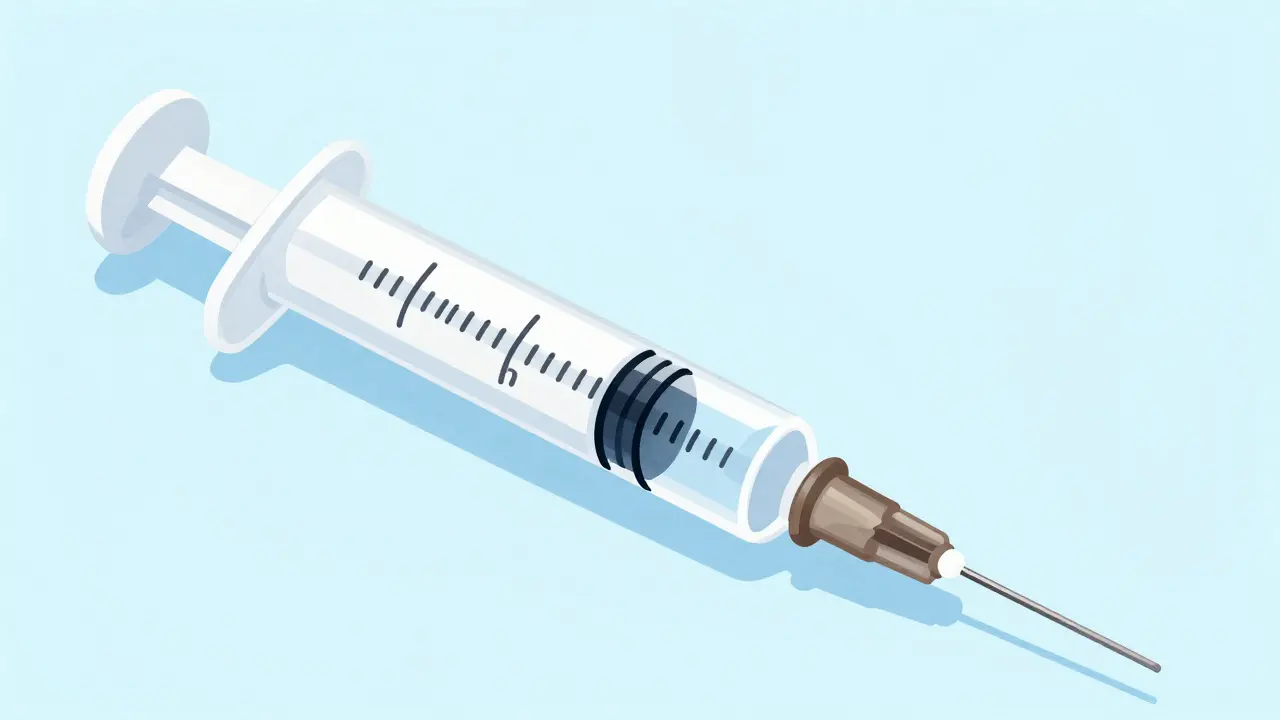
When it comes to giving kids liquid medicine, even a small dosing mistake can cause serious problems. Under-dosing might not treat the illness properly, while overdosing can lead to dangerous side effects. For children, whose bodies are still developing, precise measurements are critical. Research shows that 67% of pediatric medication errors involving liquids come from improper measuring techniques. The good news? Using the right tool and technique can cut those errors significantly. dosing syringes are the gold standard for pediatric medication delivery, as confirmed by the Institute for Safe Medication Practices (ISMP) in their 2022 safety alert. These syringes are specifically designed for accurate measurement without needles.
Why Accurate Dosing Matters for Kids
Children's medication doses are usually calculated based on their weight, often as little as 0.05-0.2 mL per kilogram. A tiny error can mean too much or too little medicine. For example, giving 10% more acetaminophen than needed could cause liver damage, while giving too little might not reduce fever. The FDA's 2018 rule eliminated teaspoon and tablespoon measurements from prescriptions because household spoons vary wildly-some hold as little as 2.5 mL and others up to 10 mL. That's a 400% difference! Oral syringes, however, maintain accuracy within ±5% of the target dose. This precision matters because kids' bodies process medicine differently than adults, and even small mistakes can have big consequences.
Choosing the Right Syringe Size
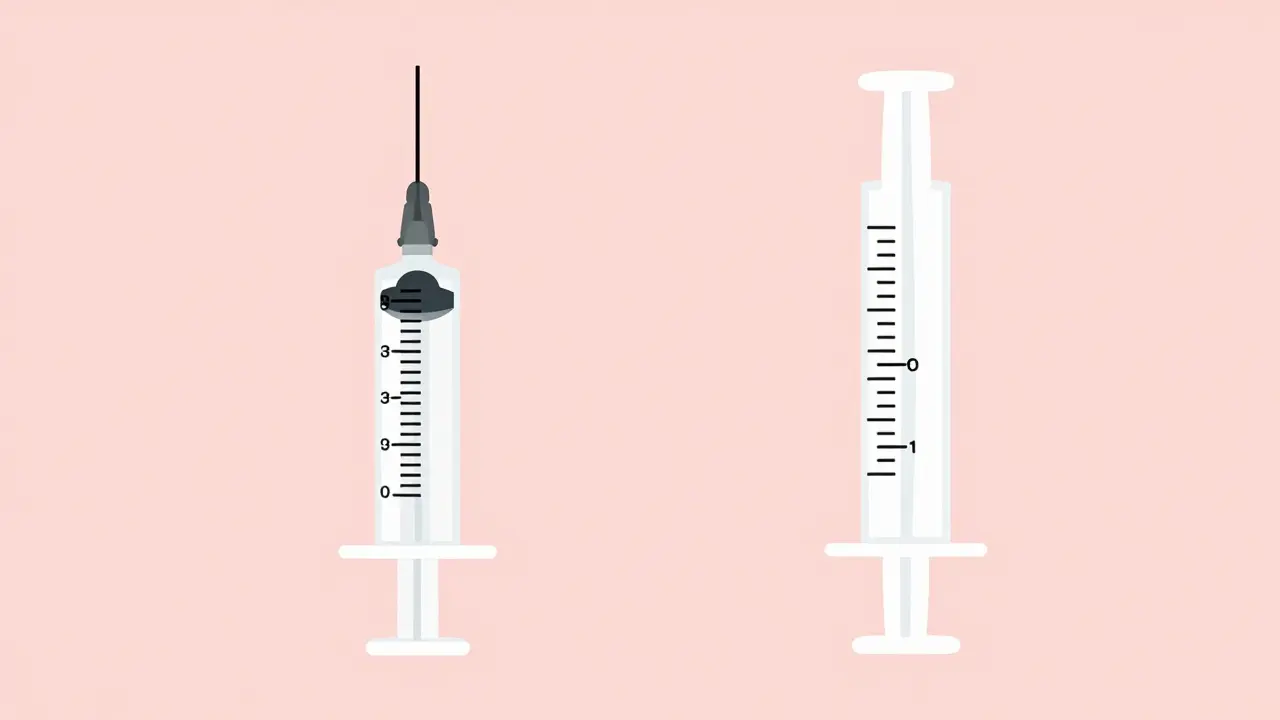
Oral syringes come in specific sizes designed for different dose ranges. Using the right size ensures you measure accurately. Here's how to pick:
| Size | Capacity | Markings | Best For |
|---|---|---|---|
| 1 mL | 1 mL | 0.01 mL increments | Doses under 1 mL |
| 3 mL | 3 mL | 0.1 mL increments | 1-3 mL doses |
| 5 mL | 5 mL | 0.2 mL increments | 3-5 mL doses |
| 10 mL | 10 mL | 0.5 mL increments | Doses over 5 mL |
For example, if your child needs 2.5 mL of ibuprofen, a 3 mL syringe is perfect. Its fine markings let you measure exactly. But if you try to measure 2.5 mL in a 10 mL syringe, you'll struggle because the markings are too far apart. A 2016 study in the Annals of Internal Medicine found that medication cups have 12-18% error rates for doses under 5 mL, while oral syringes stay within 5% accuracy. Always check the syringe size before drawing medicine-using the wrong size is a common mistake parents make.
Step-by-Step Guide to Using an Oral Syringe
Here's how to use an oral syringe correctly every time:
- Shake the bottle for 10-15 seconds to mix the medicine evenly. Some suspensions settle quickly.
- Draw the correct dose by pulling the plunger to the exact mark. Never fill past the line-this is where most errors happen.
- Position the child upright in your lap or sitting straight. Lying down increases choking risk.
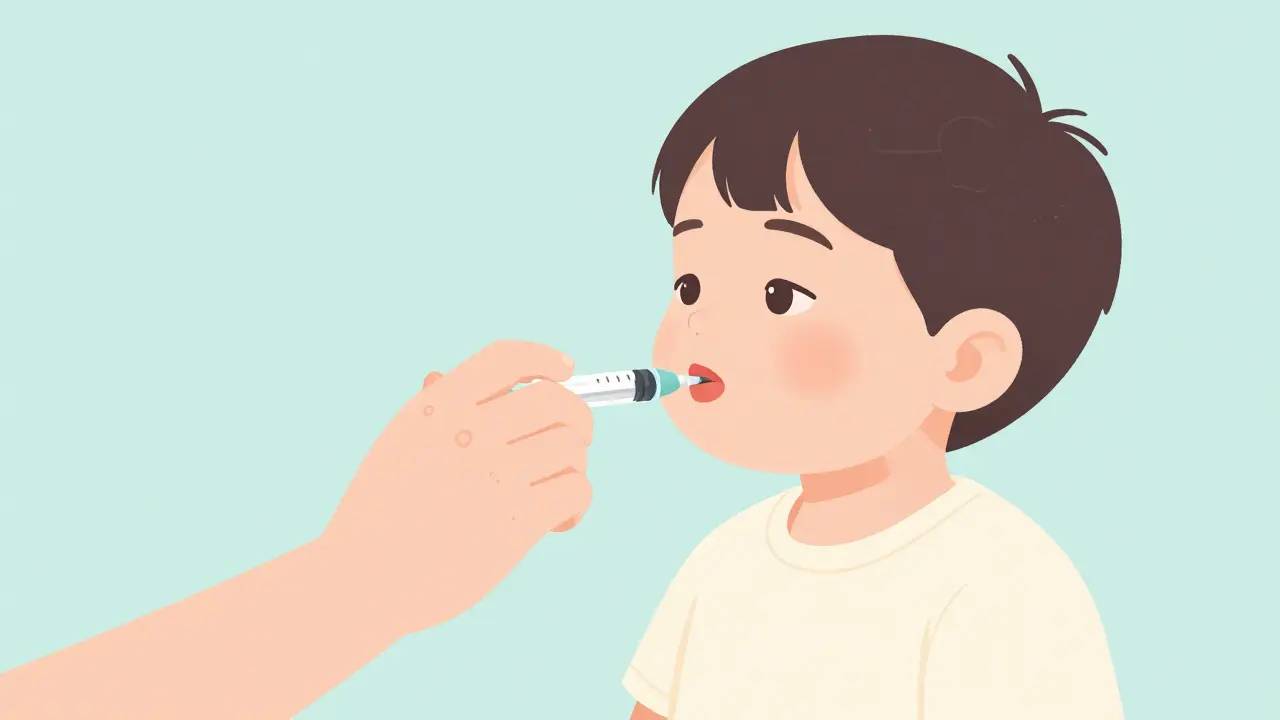
- Place the syringe tip between the cheek and gum, not at the back of the throat. Squirting too far back can cause gagging or choking.
- Administer in small increments, about 0.5 mL at a time. Pause 5-10 seconds between each to let them swallow.
- Check for residue in the syringe. If any medicine remains, repeat the process until fully administered.
A 2023 study in Patient Education and Counseling found that 63% of parents initially squirted medicine at the back of the throat, causing choking in 15% of cases. Proper technique reduces this risk significantly. Training time averages 8-12 minutes for first-time users, and 76% of parents get it right after one demonstration.
Common Mistakes and How to Avoid Them
Even with the right tools, mistakes happen. Here are the most common errors and fixes:
- Using household spoons: Kitchen teaspoons vary from 2.5-10 mL. Always use an oral syringe instead.
- Not checking syringe markings: Many parents misread the lines. Hold the syringe at eye level for accuracy.
- Compressing the plunger too fast: This causes medicine to spray out. Push slowly and steadily.
- Forgetting to remove the cap: A 12% of parents leave caps on, creating choking hazards. Always double-check before use.
- Measuring thick medications incorrectly: Antibiotics like amoxicillin can be hard to draw. Warm the bottle slightly (not hot) to thin the liquid, and use a larger syringe for easier drawing.
One parent on Reddit shared: "Switching from a cup to syringe reduced my 18-month-old's fevers from 104°F to 101°F because I was finally giving the right ibuprofen dose." The key? Proper technique. The American Academy of Pediatrics (AAP) states that proper syringe use decreases dosing errors from 40% to 8%-a massive improvement.
Troubleshooting Tips for Difficult Situations
Some situations require extra care:
- Child spits out medicine: Try giving smaller amounts more frequently. If they keep spitting, contact your pediatrician about alternative forms like dissolvable tablets.
- Thick medications: For antibiotics like amoxicillin, draw the medicine quickly before it settles. Some syringes have "easy-draw" tips for thicker liquids.
- Child bites the syringe: Color-coded plungers (green for acetaminophen, purple for ibuprofen) help prevent mix-ups. If biting is a problem, try a syringe with a blunt tip or use a syringe with a silicone nipple.
- Measuring small doses: For doses under 1 mL, always use a 1 mL syringe. These have fine markings that make accuracy possible.
- Accidental overdose: If you give too much medicine, call Poison Control at 1-800-222-1222 immediately. Never double up on doses-always consult your pediatrician for guidance.
- Syringe wear and tear: Replace syringes every 6 months or if they crack. Used syringes can harbor bacteria, so never share them between children.
Frequently Asked Questions
Can I use a kitchen spoon if I don't have a syringe?
No. Household spoons vary wildly in size-some hold as little as 2.5 mL while others reach 10 mL. This 400% variation makes them unreliable for children's medicine. The FDA eliminated teaspoon measurements from prescriptions in 2018 because of this exact issue. Always use a calibrated oral syringe instead.
How do I clean the syringe after use?
Rinse the syringe with warm water immediately after use. Do not use soap, as it can leave residue. Let it air dry completely before storing. Some syringes are dishwasher-safe, but check the manufacturer's instructions. Proper cleaning prevents cross-contamination between medications.
What if my child spits out the medicine?
If your child spits out medicine, try giving smaller amounts more frequently. You can also try mixing the medicine with a small amount of food or juice (if your pediatrician approves). Never force the medicine-if they consistently refuse, contact your doctor for alternatives. Some medications come in chewable or dissolvable forms that might be easier for your child.
Can I use the same syringe for different medications?
Yes, but clean it thoroughly between uses. Rinse with warm water immediately after each medication. Never store different medications in the same syringe, as this can cause dangerous mix-ups. Color-coded syringes (like green for acetaminophen, purple for ibuprofen) help prevent confusion. Always check the label to ensure you're using the right syringe for the right medicine.
How do I measure thick medications like antibiotics?
Thick medications like amoxicillin can be tricky. First, shake the bottle well before drawing. If it's very thick, warm the bottle slightly (not hot) to thin it. Use a larger syringe (5 mL or 10 mL) for easier drawing. Some syringes have "easy-draw" tips designed for viscous liquids. If you're still struggling, ask your pharmacist for a syringe with a wider barrel or a different tip design.
What's the safest way to store oral syringes?
Store syringes in a clean, dry place away from direct sunlight. Keep them in their original packaging until use. Never store syringes in the refrigerator unless specified by the manufacturer. Replace them every 6 months or sooner if they show wear. Proper storage prevents bacterial growth and ensures accuracy.
I've been using syring for my 2-year-old and it's made such a difference. Before, I was using spoons and always worried about the doss. This article helped me learn to use the right size syringe. For example, using a 3mL for 2.5mL doses. Also, placing the tip between cheek and gum is so much better than the back of the throat. My kid doesn't gag as much now. Just wanted to say thanks for the clear steps. One thing I struggled with was measuring thick meds like amoxacillin, but warming the bottle a bit helped. Definitely recommend checking the markings at eye level. Oh, and replacing syringes every 6 months to avoid bacteria. So helpful!
FDA 2018 rule scam pushing syringes control us 100 sure no need syringes dangerous break trust me know
I've been using syringes for my kids for years and it's made a huge difference. The key is using the right size syringe for the dose. For example, a 3mL syringe for doses between 1-3mL. Also, always shaking the bottle well before drawing. I've seen so many parents make the mistake of not checking the markings at eye level, which leads to errors. But with a little practice, it's so easy. Highly recommend this method. It's safe and accurate. Thanks for sharing!
Using the wrong syringe size is a common mistake. For example, using a 10mL syringe for small doses. This leads to inaccurate measurements. Always check the markings at eye level. Also, don't compress the plunger too fast. Slow and steady. This is basic knowledge. Parents should know this.
I must say, the information in this article is incomplete. Many parents do not know that syringes can harbor bacteria if not cleaned properly. You should always sterilize them after each use. Also, the FDA rule is not the only reason to use syringes. Proper training is essential. I have seen many cases where parents misuse syringes. This guide does not cover all scenarios.
Hey everyone! Just wanted to share how in my culture, we often use traditional methods but switched to syringes after reading this. The key is using the right size syringe. For example, 1mL for small doses. Also, shaking the bottle well before use. I've seen so many parents struggle with thick meds like amoxacillin. Warming it slightly helps. Also, placing the syringe between cheek and gum, not back of throat. Kids hate that. Also, measuring in small increments. I remember when my cousin's kid was spitting out meds, but with the syringe method, it's way better. And cleaning the syringe properly. Always rinse with warm water. No soap. Air dry. Also, replacing every 6 months. Oh and color-coded plungers help avoid mix-ups. Green for acetaminophen, purple for ibuprofen. So many good tips here. Just wanted to say thanks for the detailed guide. It's really helped my family. Also, for those using thick meds, try a larger syringe like 5mL. Easier to draw. And don't compress the plunger too fast. Slow and steady. Also, always check the markings at eye level. So many mistakes happen from that. Overall, this guide is gold. Highly recommend!
This guide is a game-changer.
The FDA's 2018 rule was necessary. Household spoons are unreliable. Syringes are the only safe option. This is common sense. Americans should follow this advice.
Switched from spoons to syringes and it's a game-changer. Always use the right size syringe. For small doses, 1mL is perfect. Also, placing between cheek and gum avoids gagging. 🙌 🥰 Thanks for the tips! 👍