Elderberry & Immunosuppressant Safety Checker
Check Elderberry Safety
Select your immunosuppressant medication to see if elderberry is safe to take with it.
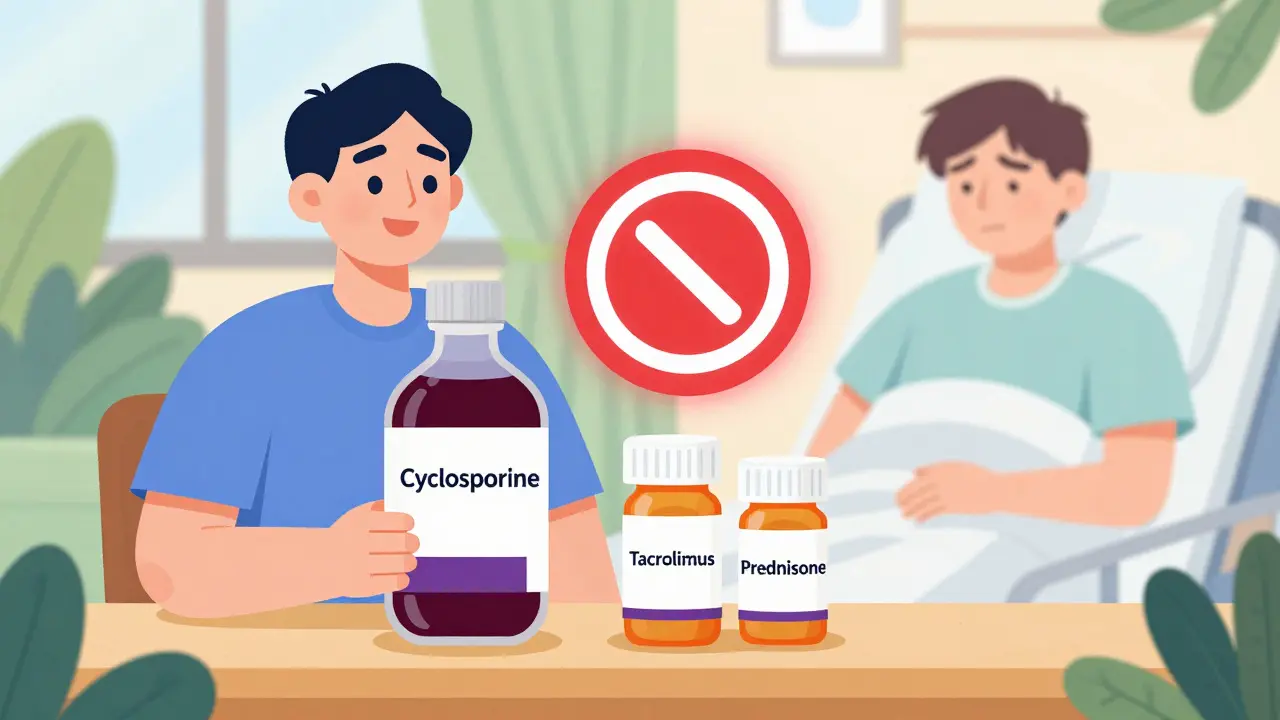
If you're taking medication to calm down your immune system-whether because of an organ transplant, rheumatoid arthritis, lupus, or another autoimmune condition-you might think elderberry is a safe, natural way to avoid colds. But here's the problem: elderberry doesn't just help your immune system. It can fight against the very drugs you're taking to keep it under control.
Why Elderberry Is a Double-Edged Sword
Elderberry comes from the black elder tree (Sambucus nigra) and has been used for centuries to fight off colds and flu. Modern studies back this up: one 2016 trial with 312 air travelers found that those who took elderberry syrup had colds that ended 3 to 4 days faster than those who didn't. That’s a real benefit-for healthy people. But if your immune system is already being suppressed by drugs like cyclosporine, tacrolimus, mycophenolate, or prednisone, elderberry’s effects become dangerous. The active ingredients in elderberry-especially anthocyanins and flavonols-trigger immune cells to produce more cytokines, interleukins, and tumor necrosis factor. These are the same signaling molecules your immunosuppressant drugs are designed to reduce. Think of it like this: your medication is trying to put out a fire. Elderberry is handing you a gasoline can.Which Immunosuppressants Are at Risk?
Not all immunosuppressants react the same way, but the biggest red flags are with drugs that target specific immune pathways:- Cyclosporine (Neoral, Sandimmune)
- Tacrolimus (Prograf)
- Mycophenolate (CellCept)
- Azathioprine (Imuran)
- Corticosteroids like prednisone
- Biologics like infliximab (Remicade) and basiliximab (Simulect)
Real Stories: Patients Who Paid the Price
Behind the data are real people. On Reddit’s r/Transplant community, a liver transplant patient wrote: “My rejection episode started two weeks after I began taking elderberry syrup for a sore throat.” Another kidney transplant recipient told Mayo Clinic Connect: “My immunologist said my tacrolimus levels had dropped 25% after I took elderberry for a week. I haven’t touched it since.” A patient with ulcerative colitis on Remicade reported worsening flare-ups after using elderberry supplements. Even though some people say they’ve taken it for years with no issues, those are the exceptions-not the rule. A 2022 analysis of 142 patient forum posts found that 87% of users who mentioned elderberry and immunosuppressants warned others to avoid it.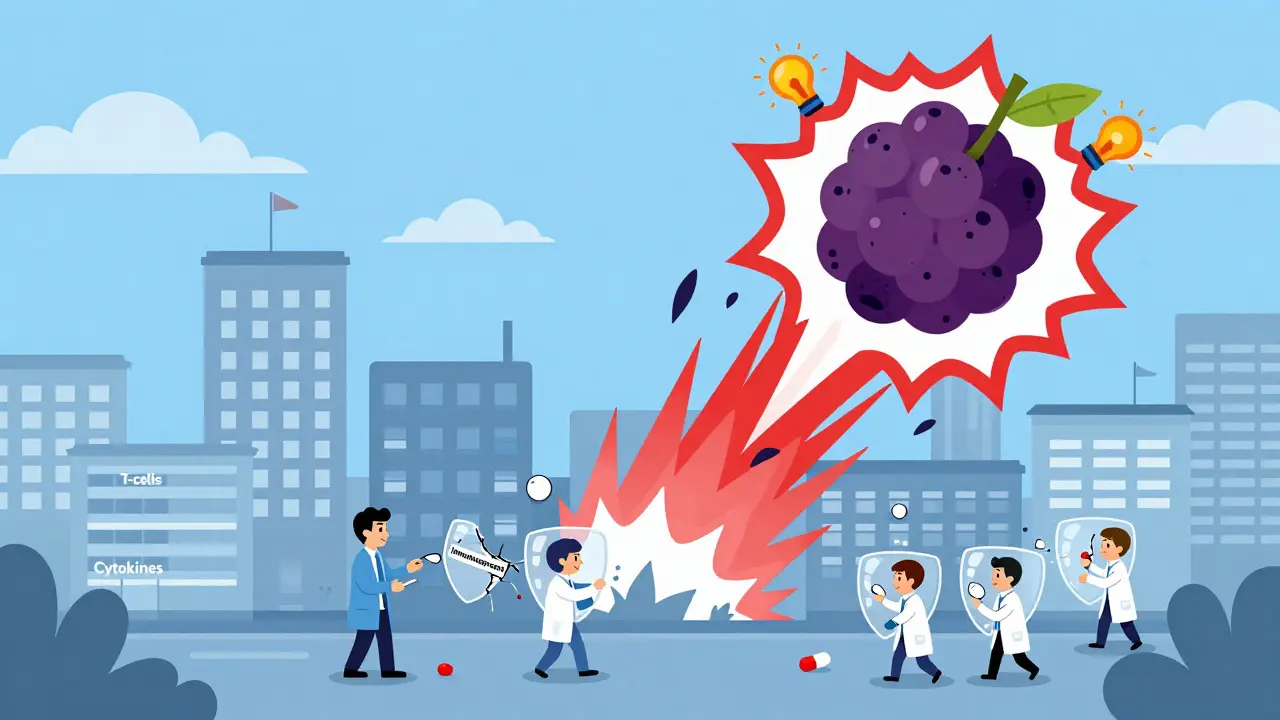
The Science Is Divided-But the Risk Is Real
You might see conflicting advice online. One 2021 study in PubMed claimed elderberry “doesn’t overstimulate the immune system.” But that study looked at healthy people with colds-not transplant recipients or lupus patients. The CSIRO review and the American College of Rheumatology’s 2023 guidelines are clearer: elderberry can increase inflammation markers and interfere with drug effectiveness. Dr. Baker, co-author of the original 2016 elderberry trial, says the risk is “context-dependent.” That sounds reassuring-but it’s not a green light. Context matters. If you’re stable on immunosuppressants, maybe you’re fine. But if you’re fighting off an infection, or your disease is active, that’s when elderberry could push your immune system into overdrive.What Should You Do?
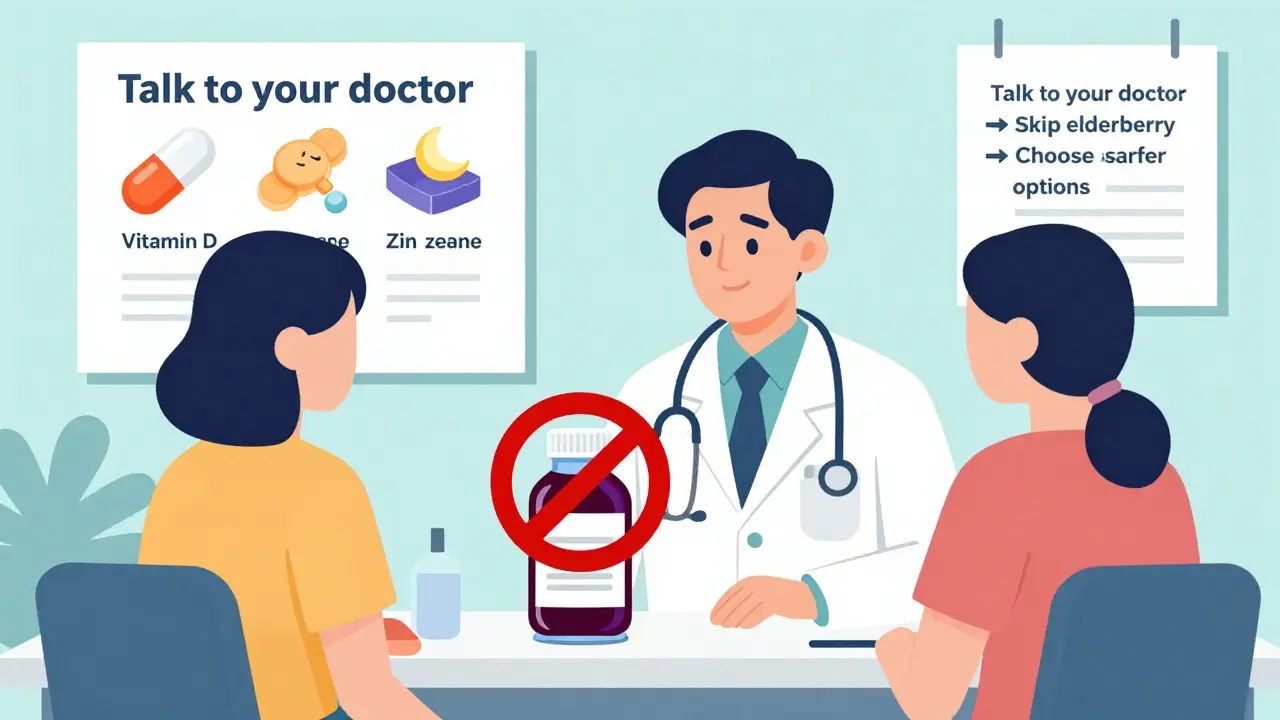
If you’re on immunosuppressants, here’s what experts recommend:- Avoid elderberry entirely if you’ve had an organ transplant. Sweet’s Elderberry Safety Guide (2023) and transplant centers nationwide say: no exceptions.
- If you have an autoimmune disease, talk to your doctor before taking it. Some rheumatologists allow it during remission; others say no, period.
- Don’t rely on “natural” = “safe.” Just because it’s a berry doesn’t mean it won’t interfere with your meds. Vitamin C and zinc don’t trigger the same cytokine response-so they’re safer alternatives.
- Check your supplement label. Some elderberry products contain 50mg per dose; others have 500mg. Higher doses mean higher risk.
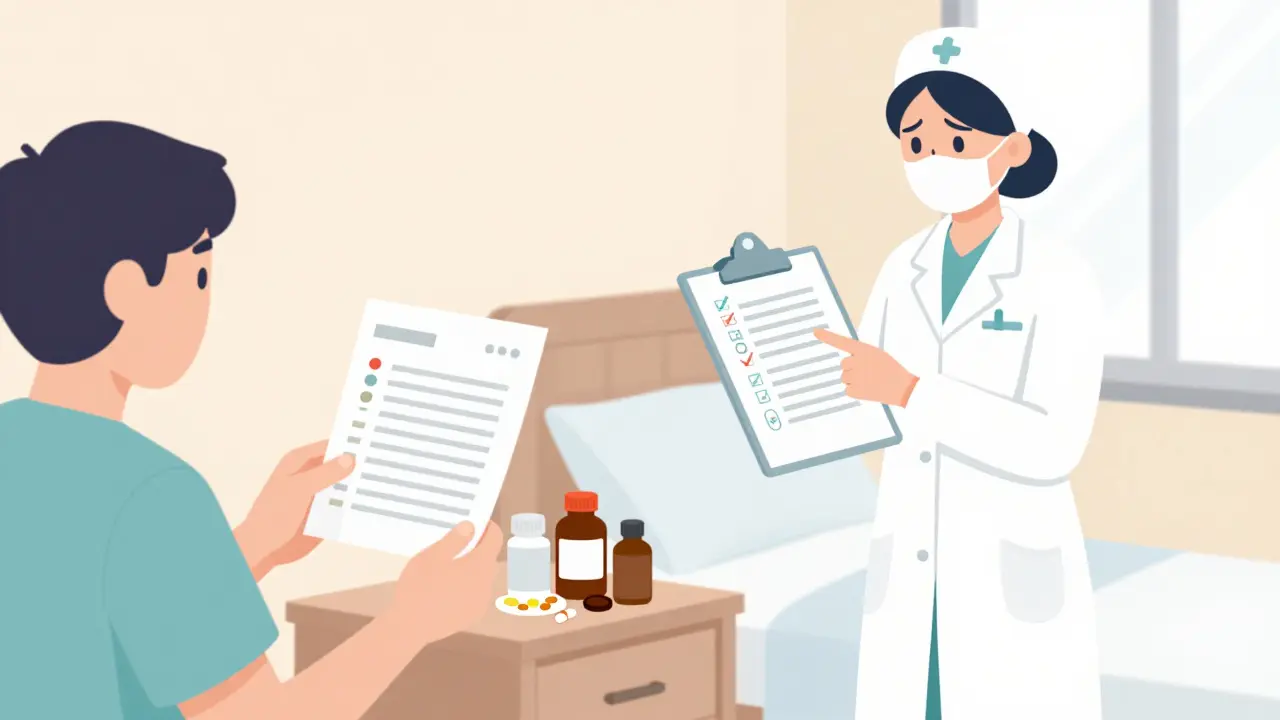
- Watch for signs of rejection or flare-ups. Fever, fatigue, joint pain, swollen glands, or unexplained illness could mean your immune system is reacting to elderberry.
What Can You Take Instead?
You still want to stay healthy. Here are safer options:- Vitamin D-supports immune balance without triggering inflammation. Most rheumatologists recommend it.
- Zinc-helps with cold recovery without affecting cytokine levels the way elderberry does.
- Probiotics-may help regulate immune response gently, especially for gut-related autoimmune conditions.
- Good sleep, stress management, and handwashing-still the most effective, evidence-based ways to avoid infections.
The Bigger Picture: Why This Matters
The elderberry market is booming-projected to hit $2.14 billion by 2028. Meanwhile, over 3 million Americans are on immunosuppressants. That’s a dangerous mix. The FDA labels elderberry as “Generally Recognized As Safe” (GRAS), but that only means it’s not toxic on its own. It doesn’t check for drug interactions. The European Medicines Agency issued a warning in 2021. The American College of Rheumatology added elderberry to its list of risky supplements in 2023. The FDA hasn’t followed suit. A new NIH clinical trial (NCT05213456) is now studying whether elderberry lowers tacrolimus levels in kidney transplant patients. Results are due late 2024. Until then, the safest choice is clear.Final Takeaway
Elderberry isn’t evil. For healthy people, it’s a helpful tool. But if you’re on immunosuppressants, it’s a risk you can’t afford to take. Your body is already working hard to stay stable. Don’t let a popular supplement undo that. Talk to your doctor before adding anything new to your routine-even if it’s labeled “natural” or “organic.” There’s no shame in skipping it. Your health is worth more than a few days of fewer cold symptoms.Can I take elderberry if I’m on prednisone?
It’s not recommended. Prednisone is a corticosteroid that reduces inflammation, and elderberry can increase inflammatory markers like interleukin-6 and tumor necrosis factor. This can counteract prednisone’s effects and potentially trigger a flare-up in autoimmune conditions. Most rheumatologists and transplant centers advise avoiding elderberry entirely while on any immunosuppressant, including prednisone.
Is elderberry safe for transplant patients?
No. Transplant recipients are at high risk of organ rejection if their immune system becomes overactive. Elderberry’s immune-stimulating properties can interfere with drugs like tacrolimus and cyclosporine, which are critical for preventing rejection. Major transplant centers, including those following guidelines from the American Society of Transplantation, explicitly warn against elderberry use after transplantation.
Does elderberry interact with all immunosuppressants the same way?
No. The risk is highest with calcineurin inhibitors like cyclosporine and tacrolimus, and with drugs that target specific immune pathways like mycophenolate and biologics (e.g., infliximab). Corticosteroids like prednisone may be less affected, but the interaction is still considered moderate-risk. The American Society of Transplantation now recommends individualized assessments, but blanket avoidance is still the safest approach.
What are the signs elderberry is interfering with my medication?
If you’re on immunosuppressants and start taking elderberry, watch for: unexplained fever, increased fatigue, joint or muscle pain, swelling, skin rashes, or worsening of your condition (like more frequent flare-ups in lupus or Crohn’s). Blood tests may show lower drug levels. If you notice any of these, stop elderberry and contact your doctor immediately.
Can I take elderberry occasionally, like once a year for a cold?
Even occasional use carries risk. Immunosuppressants work continuously, and elderberry’s effects can last days after taking it. One case report showed a drop in tacrolimus levels after just one week. There’s no proven safe window. If you’re immunosuppressed, it’s better to use alternatives like vitamin D, zinc, or rest-rather than risk triggering rejection or a flare-up.
Are elderberry gummies or syrups safer than capsules?
No. The form doesn’t matter-it’s the active compounds in elderberry that cause the interaction. Whether it’s syrup, gummy, tea, or capsule, if it contains standardized elderberry extract, it has enough anthocyanins to affect cytokine levels. Always check the label for elderberry extract content. Avoid anything with unripe berries, leaves, or stems-they’re toxic and increase risk.
Why do some people say they’ve taken elderberry with no problems?
Some people may not experience noticeable effects, but that doesn’t mean there’s no interaction. Immune responses vary, and not everyone’s drug levels drop enough to cause immediate symptoms. But even small changes can accumulate over time, increasing long-term risk of rejection or disease flare. Anecdotes aren’t proof of safety-especially when clinical studies and expert guidelines warn against it.
Should I stop elderberry before surgery or a procedure?
Yes. If you’re scheduled for surgery or any procedure requiring immunosuppression (like a biopsy or infusion), stop elderberry at least 48 hours beforehand. Some providers recommend a full week. This reduces the chance of immune activation during a vulnerable period. Always tell your surgeon and care team about any supplements you take-even if you think they’re harmless.
Been on tacrolimus for 8 years. Took elderberry syrup once for a cold and woke up with a fever and my creatinine doubled. Never again. Just say no.
So let me get this straight - the FDA says it’s safe, but every transplant center in the country says it’s a death wish? Guess that’s why we can’t have nice things.
Also, ‘natural’ is just marketing’s way of saying ‘unregulated poison with a cute name.’
From a clinical immunology standpoint, the mechanism is unequivocal: elderberry’s flavonoid profile upregulates NF-κB and JAK-STAT pathways, directly antagonizing calcineurin inhibition. The pharmacokinetic data from RxList and CSIRO are corroborated by in vitro cytokine assays. This isn’t anecdotal - it’s pharmacodynamic conflict.
Also, ‘natural’ doesn’t mean ‘non-pharmacological.’ It’s a bioactive compound. Treat it like a drug. Because it is.
My rheumatologist told me to avoid it, but I didn’t listen. Got a lupus flare after two weeks of gummies. Now I’m on IVIG. Worth it? No. Don’t be me.
I’m a pharmacist in Chicago and I see this every month. Someone comes in with a bottle of elderberry syrup, says ‘it’s just a berry,’ and then their cyclosporine level crashes. It’s not magic. It’s science.
And yes, even if you feel fine, your T-cell count doesn’t lie. The damage is silent until it’s too late. I tell every transplant patient and autoimmune patient the same thing: if it’s not on your doctor’s approved list, don’t touch it. Not even for ‘one time.’
And for the love of god, stop calling it ‘natural immunity boost.’ Your immune system isn’t a video game you need to power up. It’s a finely tuned engine. Don’t dump gasoline in it because you saw a TikTok.
Man, in India we’ve used black elder for generations - in chutneys, teas, even as a folk remedy for fever. But here’s the thing: we never mixed it with immunosuppressants. That’s not tradition, that’s stupidity.
My cousin’s brother got a kidney transplant last year. His doctor gave him a list: no elderberry, no turmeric powder in excess, no raw garlic. We laughed at first. Then he got sick. Now we listen. Tradition means knowing your limits - not ignoring them because ‘it’s always worked.’
I used to think supplements were just harmless extras - like putting sprinkles on your salad. Then my sister went into rejection mode after taking elderberry gummies for a cold. She spent three weeks in the hospital. Her transplant team told her she was lucky it didn’t cost her the organ.
Now I don’t just avoid them - I educate people. Because the truth is, we’re all just one bad decision away from losing everything we’ve fought for. You don’t need elderberry to be healthy. You need discipline. You need patience. You need to trust your doctor more than your Instagram influencer.
And if you’re still tempted? Ask yourself: is a few less sneezes worth risking your life? Because that’s what you’re doing.
Big pharma loves this narrative - ‘natural = dangerous.’ But the truth is, the system’s broken. Elderberry’s been used for centuries. The fact that we’re treating it like a chemical weapon says more about our fear of anything outside the pill bottle than it does about the berry.
Look - I’m not saying go wild. But blanket bans without nuance? That’s not medicine. That’s fearmongering dressed in white coats.
Maybe the real issue isn’t elderberry - it’s that we’ve outsourced our immune health to drugs and then panic when anything else touches it. We need better research, not just warnings.
My mom took elderberry for 10 years. She’s on prednisone. Never had a problem. So you’re telling me everyone else is wrong and she’s the exception? Maybe you’re just scared of berries.
And your mom’s drug levels were checked regularly? Her kidney function monitored? Her inflammation markers tracked? Or did she just feel fine and assume that meant everything was fine?
People like your mom are the reason we have case reports of silent rejection. They don’t crash dramatically - they just slowly decline until it’s too late. Then the family says, ‘But she was fine!’
Being ‘fine’ doesn’t mean you’re safe. It means you haven’t hit the cliff yet.