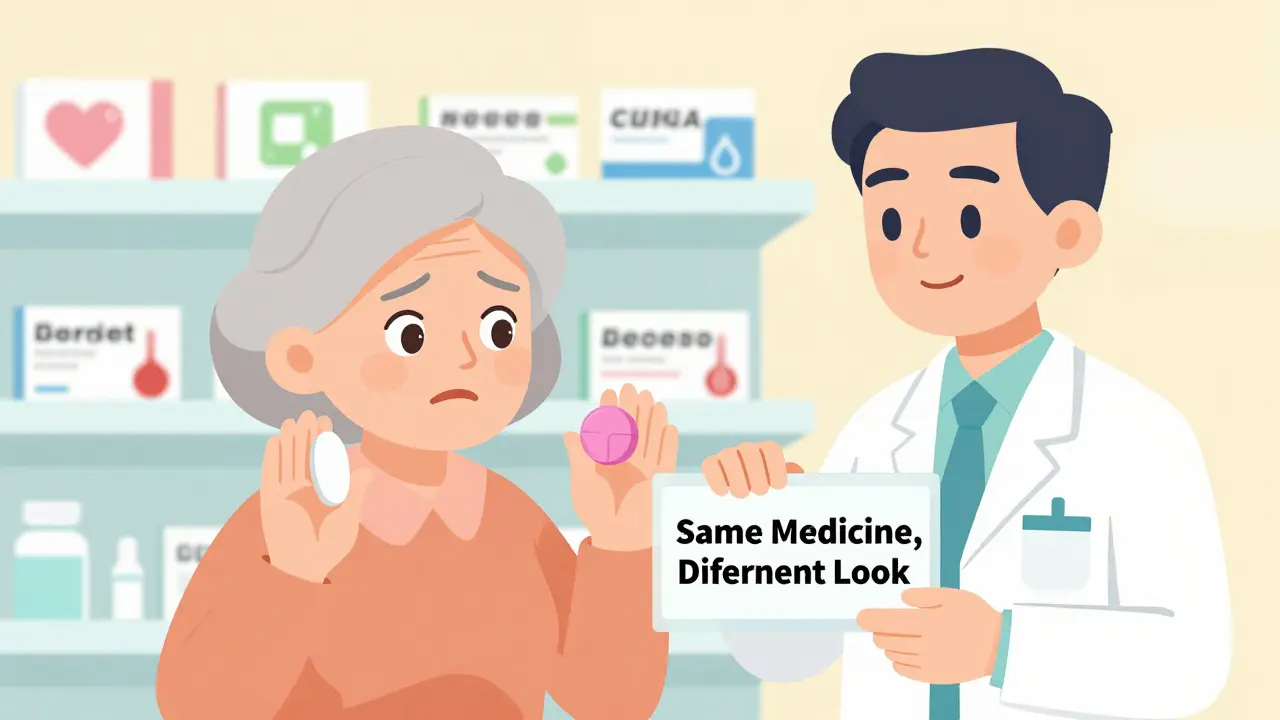
Imagine standing at a pharmacy counter, staring at two pills. One is the brand-name drug your doctor prescribed, wrapped in familiar packaging that costs $150. The other is a generic version, looking completely different, costing just $20. You know you need the medicine, but a nagging doubt creeps in: Is this cheaper pill actually going to work?
This hesitation isn't just about money; it's a deep-seated psychological barrier known as the 'brand premium.' Even though generic medications are required by law to be bioequivalent to their brand-name counterparts, many patients still feel uneasy switching. This gap between scientific fact and personal belief is what we call the trust deficit. Bridging it requires more than just explaining chemistry-it demands understanding human behavior, addressing specific fears, and leveraging the authority of healthcare providers.
The Science Behind the Switch: What Bioequivalence Really Means
To build trust, we first have to dismantle the myth that 'cheaper means lesser quality.' In the pharmaceutical world, there is a strict legal standard called bioequivalence. This term defines the comparison of the rate and extent of absorption of a generic drug versus its brand-name counterpart. When the U.S. Food and Drug Administration (FDA) approves a generic, it doesn't just guess that the drug works. It demands rigorous proof.
Specifically, the FDA requires that the generic drug deliver between 80% and 125% of the same active ingredient into your bloodstream compared to the brand-name version. While those numbers might sound like a wide range, they are statistically designed to ensure no clinically significant difference in therapeutic effect. For most patients, this means the generic will perform identically to the brand.
However, confusion often arises from the inactive ingredients-the fillers, dyes, and binders that give the pill its shape and color. These can vary between manufacturers. If you've ever taken a brand-name pill that was white and round, only to receive a blue oval generic, it’s natural to wonder if something has changed. But these cosmetic differences do not alter how the active medicine interacts with your body. Understanding this distinction is the first step in overcoming visual skepticism.
The Psychology of Brand Loyalty in Healthcare
Why do we trust the expensive option? It’s a phenomenon rooted in brand psychology. We see it everywhere: we assume a $50 pair of jeans fits better than a $20 pair, or that a luxury car drives smoother than an economy model. In healthcare, this bias is amplified because the stakes feel higher. Your health is not a commodity you want to gamble on.
Research published in PLOS ONE in 2024 highlighted this tension. While 49.4% of participants believed doctors should prescribe more generics when available, nearly half still harbored doubts about their effectiveness compared to brands. This split mind shows that while people rationally understand the cost benefits, emotionally, they cling to the perceived safety of the original brand.
This is further complicated by the 'nocebo effect.' Just as a placebo can make you feel better because you believe it will, a nocebo can make you feel worse because you expect negative outcomes. If a patient believes a generic is inferior, they are more likely to report side effects or lack of efficacy, even if the chemical composition is identical. Building confidence, therefore, involves managing expectations as much as providing information.
Demographics and Trust: Who Hesitates and Why
Trust in generic medications is not uniform across all populations. Demographic factors play a surprising role in how patients perceive these drugs. A study published in Frontiers in Drug Safety and Regulation in 2024 revealed distinct patterns based on age and employment status.
Interestingly, older adults-specifically those over 60-showed higher levels of trust in generics regarding safety (71.4%) compared to younger cohorts. This may seem counterintuitive, given that older patients often take more medications and might be more sensitive to changes. However, this group also places significantly higher trust in their physicians (74.1%), suggesting that if their doctor recommends the switch, they are more likely to accept it without question.
In contrast, educational levels inversely correlate with blind trust in physicians but positively correlate with understanding of value. Lower-educated participants expressed greater trust in doctors' recommendations (68.7% vs 64.7%), whereas higher-educated individuals were more likely to research the drug themselves, sometimes encountering misleading information online that fuels distrust.
| Demographic Group | Perceived Safety of Generics | Primary Influence on Decision | Common Concern |
|---|---|---|---|
| Patients Over 60 | High (71.4%) | Physician Recommendation | Fear of changing routine |
| Employed Adults | Very High (82.1%) | Cost Savings | Insurance formulary restrictions |
| Higher Education Level | Moderate | Independent Research | Perceived lower quality control |
| Lower Education Level | Moderate-High | Doctor's Authority | Lack of detailed explanation |

The Role of Healthcare Providers in Building Confidence
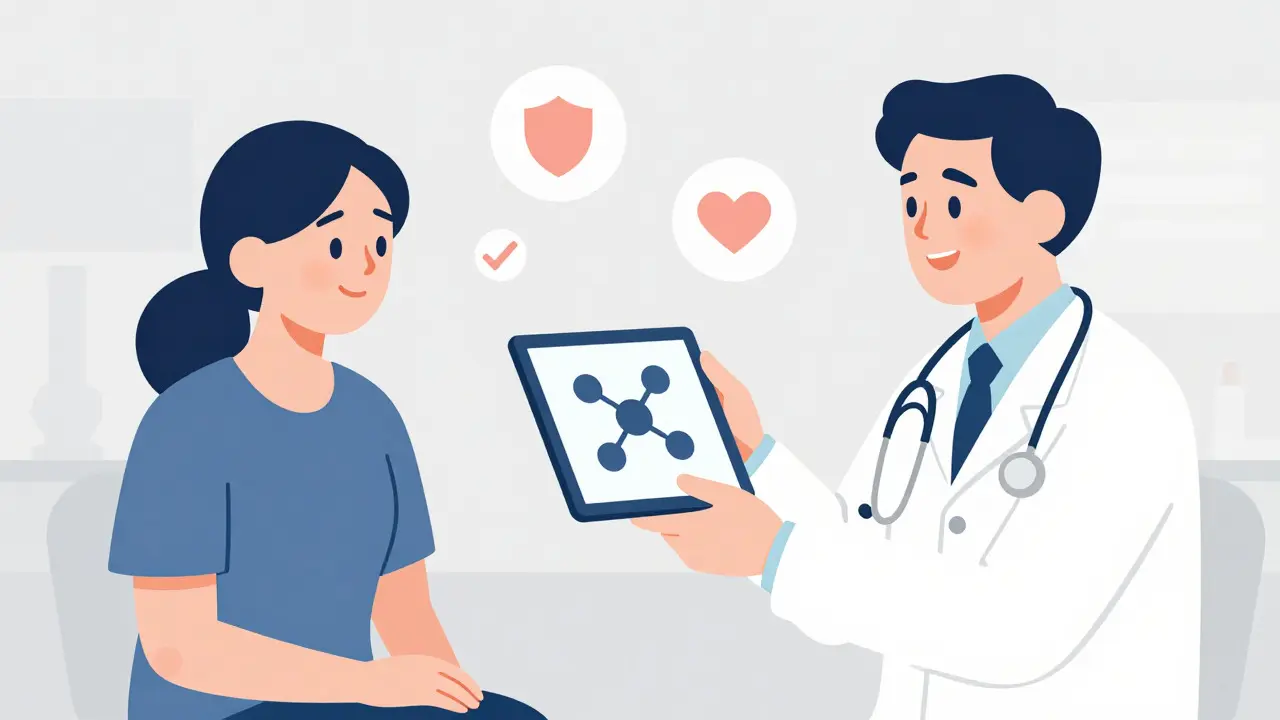
If demographics influence trust, then who holds the key to unlocking it? The answer lies with healthcare providers. Patients don't just buy medicine; they buy the advice of the person prescribing it. A machine learning analysis conducted in Greece found that provider recommendation was the single strongest predictor of generic acceptance, with an accuracy rate of 87.6% in predicting patient compliance.
Dr. Jane Smith, Director of the FDA's Office of Generic Drugs, emphasized this point in a 2023 interview, stating that FDA approval guarantees a drug is safe, effective, and interchangeable. Yet, this message often gets lost in the rush of a 15-minute appointment. To build true confidence, providers need to move beyond a simple prescription slip.
Effective communication strategies include:
- Explicit Validation: Acknowledge the patient's concern. Saying, "I know this looks different, but it contains the exact same active ingredient," validates their observation while correcting the misconception.
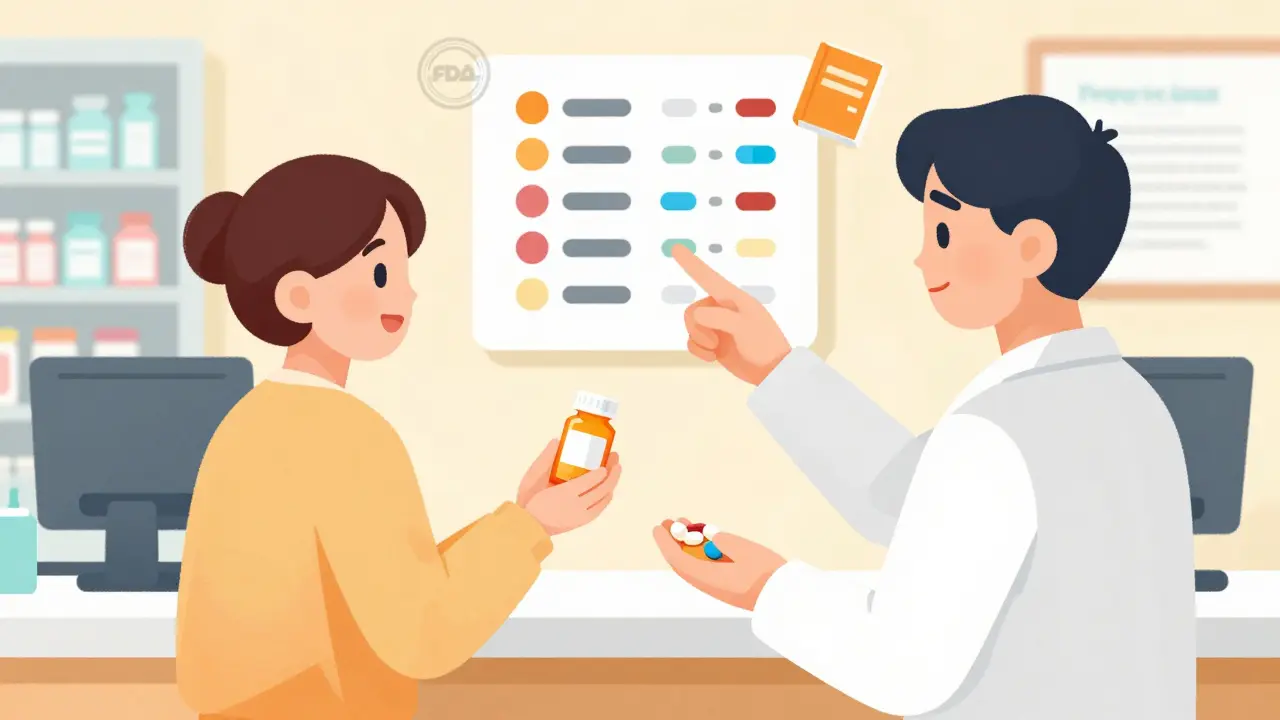
- Visual Aids: Some clinics now use diagrams showing the molecular structure of both brand and generic drugs to visually demonstrate their identity.
- Success Stories: Sharing anonymized examples of other patients who switched successfully can reduce anxiety through social proof.
Kaiser Permanente implemented a 'Generic Medication Education Toolkit' in 2023 that included these elements. The result? A 37% reduction in generic refusal rates among their patients. This proves that when providers invest time in education, trust follows.
Addressing Specific Fears: Efficacy, Side Effects, and Appearance
Even with good information, specific fears persist. Let’s address the three most common objections head-on.
1. "It doesn't look the same."
As mentioned, inactive ingredients differ. A patient switching from brand-name Synthroid to generic levothyroxine might notice a change in size or color. Reassuring them that these fillers are inert and do not affect absorption is crucial. In one Reddit discussion, a user noted that after two years on generic levothyroxine, their TSH levels remained stable, saving them $300 a year. Real-world data like this helps normalize the appearance change.
2. "I had side effects with the generic."
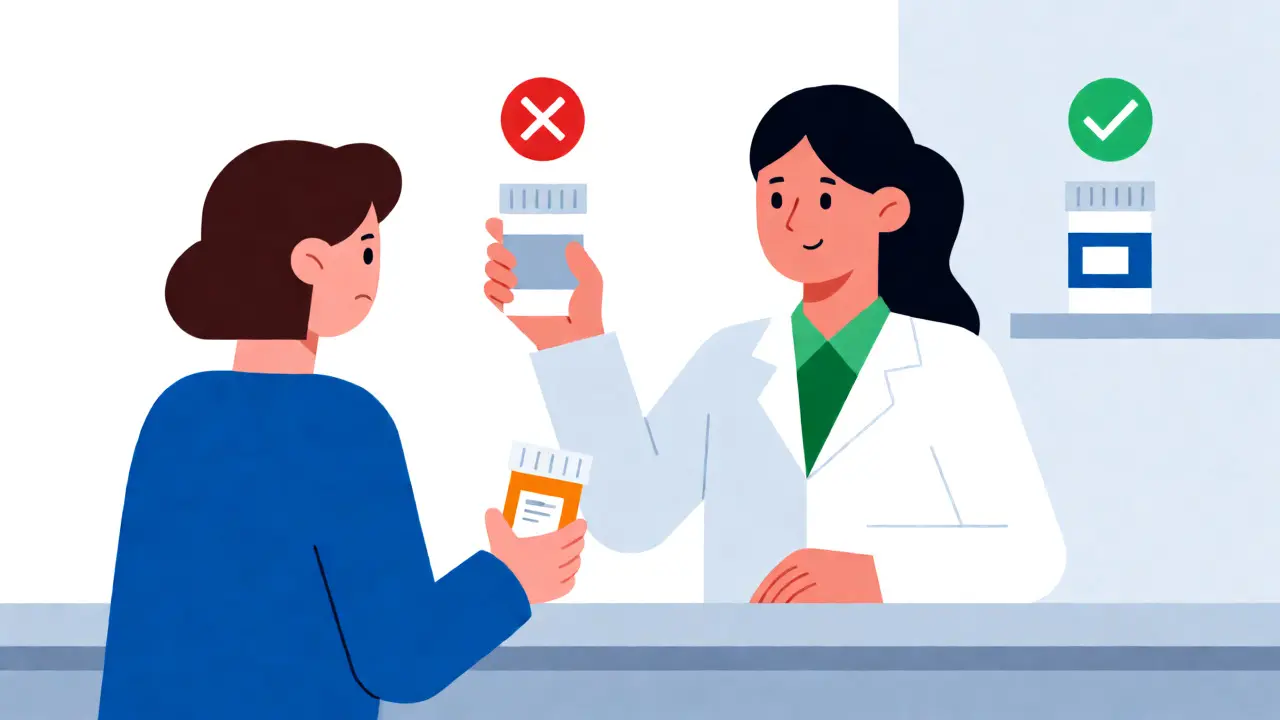
This is a valid concern for some. While rare, individual sensitivities to specific fillers can occur. If a patient experiences nausea or discomfort with a generic that wasn't present with the brand, it’s not necessarily a failure of the drug, but a reaction to an excipient. In these cases, switching to a different generic manufacturer-not necessarily back to the expensive brand-can solve the problem. Pharmacists play a vital role here, as they can identify which manufacturer supplied the pill and suggest alternatives.
3. "It won't work as well."
The fear of reduced efficacy is particularly strong in narrow-therapeutic-index drugs, such as those used for epilepsy or blood thinning. Here, precision matters more. However, even in these categories, modern regulatory standards are tight. The FDA’s GDUFA III amendments require enhanced post-market surveillance to catch any discrepancies early. For the vast majority of conditions-from hypertension to depression-the therapeutic outcome is indistinguishable.
The Economic Reality: Why Generics Matter Now More Than Ever
Beyond the science and psychology, there is a practical imperative. The global generic pharmaceutical market was valued at $463.5 billion in 2022 and is projected to reach $715.4 billion by 2029. In the United States, generics account for approximately 90% of all prescriptions dispensed yet represent only 23% of total pharmaceutical spending.
This disparity highlights the immense value generics provide. They typically cost 80-85% less than brand-name equivalents. For a Medicare beneficiary, switching from brand Eliquis to generic apixaban saved $1,200 annually while maintaining stable blood test results. These savings allow patients to adhere to their treatment plans longer, reducing hospitalizations and improving overall health outcomes.
When patients reject generics due to unfounded fears, they aren't just paying more; they are straining the broader healthcare system. Building confidence is thus not just a patient-provider issue but a public health priority.
Future Trends: Technology and Transparency
The industry is responding to trust gaps with innovation. By 2025, 78% of major generic manufacturers plan to implement QR code traceability, allowing patients to scan their pill bottle and verify the manufacturer and batch details instantly. This transparency directly addresses the "unknown quality" fear.
Additionally, AI-powered patient education tools are being piloted by major chains like CVS Health. These tools analyze a patient’s medication history and provide personalized explanations for why a generic switch is safe for their specific profile. As these technologies mature, the barrier to entry for trusting generics will continue to lower.
Ultimately, building confidence in generic medications is about replacing uncertainty with knowledge. It requires patients to ask questions, providers to explain clearly, and systems to remain transparent. When these elements align, the choice becomes clear: why pay more for a label when the medicine inside is the same?
Are generic medications exactly the same as brand-name drugs?
Generics contain the same active ingredients, dosage form, strength, and route of administration as brand-name drugs. They must meet the same quality standards set by the FDA. The main differences lie in inactive ingredients (like colors or flavors), which do not affect how the drug works in your body.
Why do some people feel generics don't work as well?
This perception is often due to the 'nocebo effect,' where expecting a negative outcome leads to experiencing one. Additionally, slight variations in how quickly the drug dissolves can cause minor differences in onset time for some individuals, though the overall therapeutic effect remains equivalent.
Can I request a specific manufacturer for my generic drug?
Yes, you can ask your pharmacist if they can source a generic from a specific manufacturer, especially if you experienced issues with a previous batch. However, availability depends on the pharmacy's supplier contracts and inventory.
Do insurance companies force you to take generics?
Many insurance plans incentivize generic use through lower copays. While they rarely 'force' you, the cost difference can be significant. If you have a medical reason to stay on a brand-name drug, your doctor can file a 'prior authorization' to override this preference.
How does the FDA ensure generic drugs are safe?
The FDA requires manufacturers to prove bioequivalence, meaning the generic delivers the same amount of active ingredient into the bloodstream within the same timeframe as the brand-name drug. Facilities are inspected regularly, and post-market surveillance tracks adverse events.