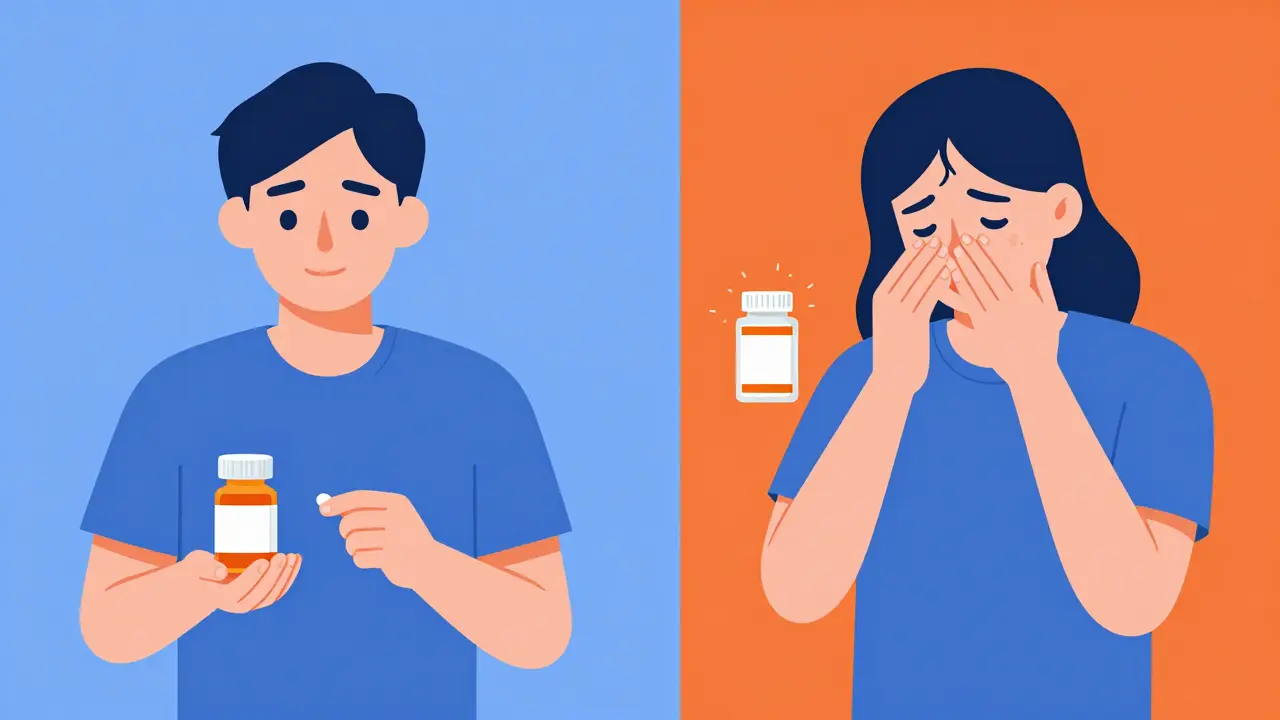
You pop a pill. It looks the same as the one you took last month. The label says it contains the exact same active ingredient in the same dose. Yet, your body reacts differently. Maybe your blood pressure spikes, or your thyroid levels drift out of range, or you suddenly feel foggy. This isn't placebo effect or paranoia. Generic medications are chemically equivalent to brand-name drugs, but they aren't always biologically identical for every single person.
The U.S. Food and Drug Administration (FDA) approves generics based on bioequivalence. This means the generic must deliver between 80% and 125% of the active ingredient into your bloodstream compared to the brand-name version. For most people, this wide margin is perfectly fine. But if you take medications with a Narrow Therapeutic Index (NTI), where the difference between a helpful dose and a toxic one is tiny, that 45% swing can matter. Let's break down why your body might react differently to generics and how to manage it.
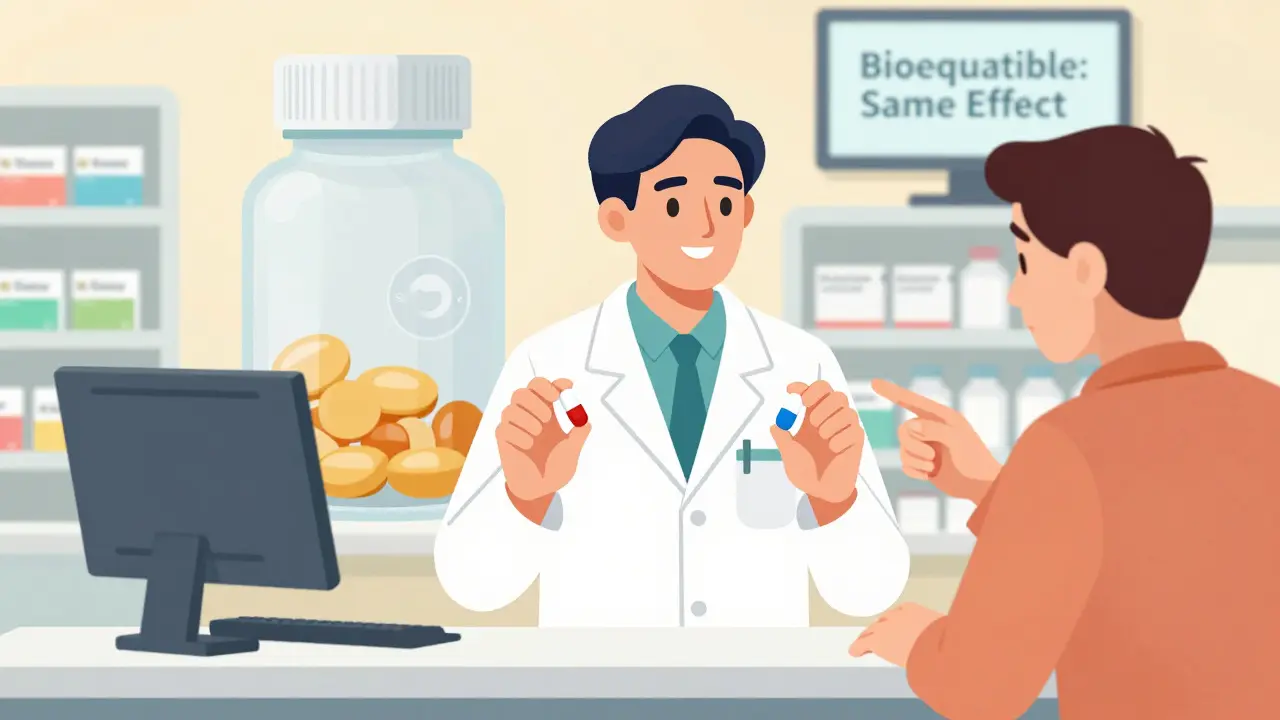
Bioequivalence Is Not Identity
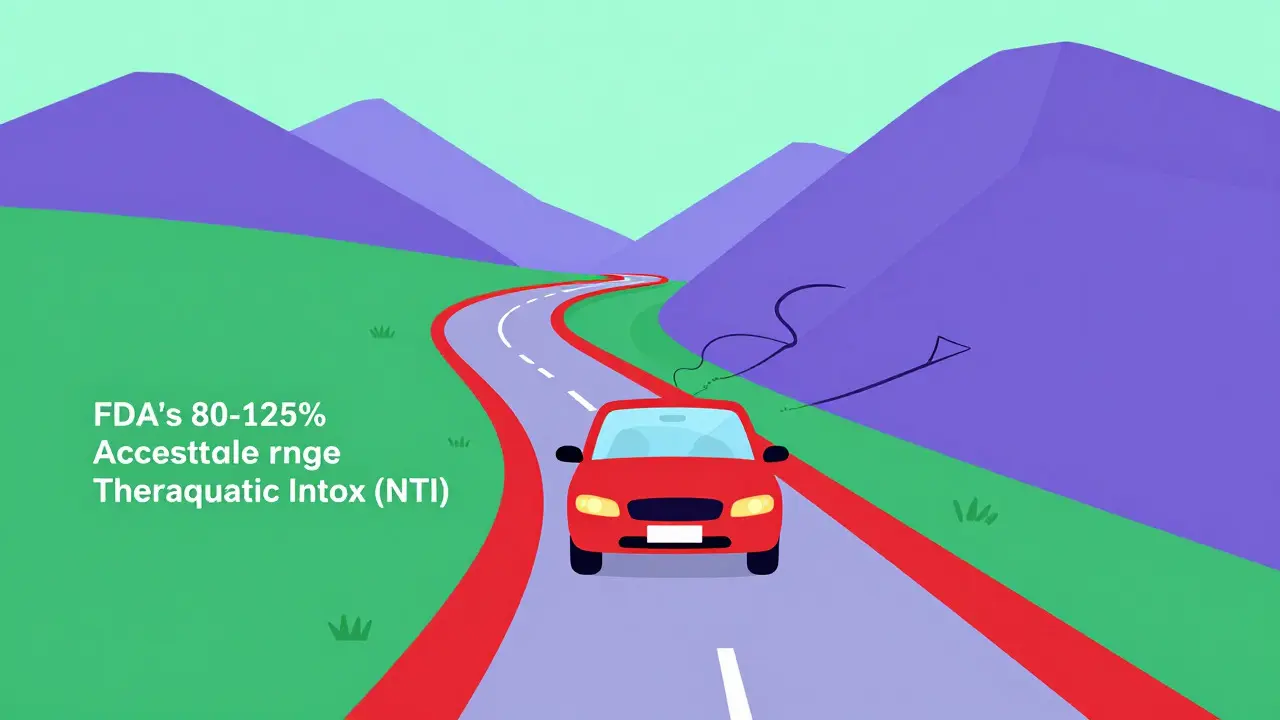
Think of bioequivalence like driving speed limits. If the limit is 60 mph, driving at 55 or 65 is technically acceptable. But if you're navigating a tight mountain pass (your NTI medication), a 5 mph difference could mean staying on the road or going off the cliff. The FDA requires generics to prove their absorption rates fall within that 80-125% window. However, two different generic manufacturers could both meet this standard while being significantly different from each other. One might be at the low end (80%) and another at the high end (125%). That’s a 45% difference in exposure, even though both are "equivalent" to the brand.
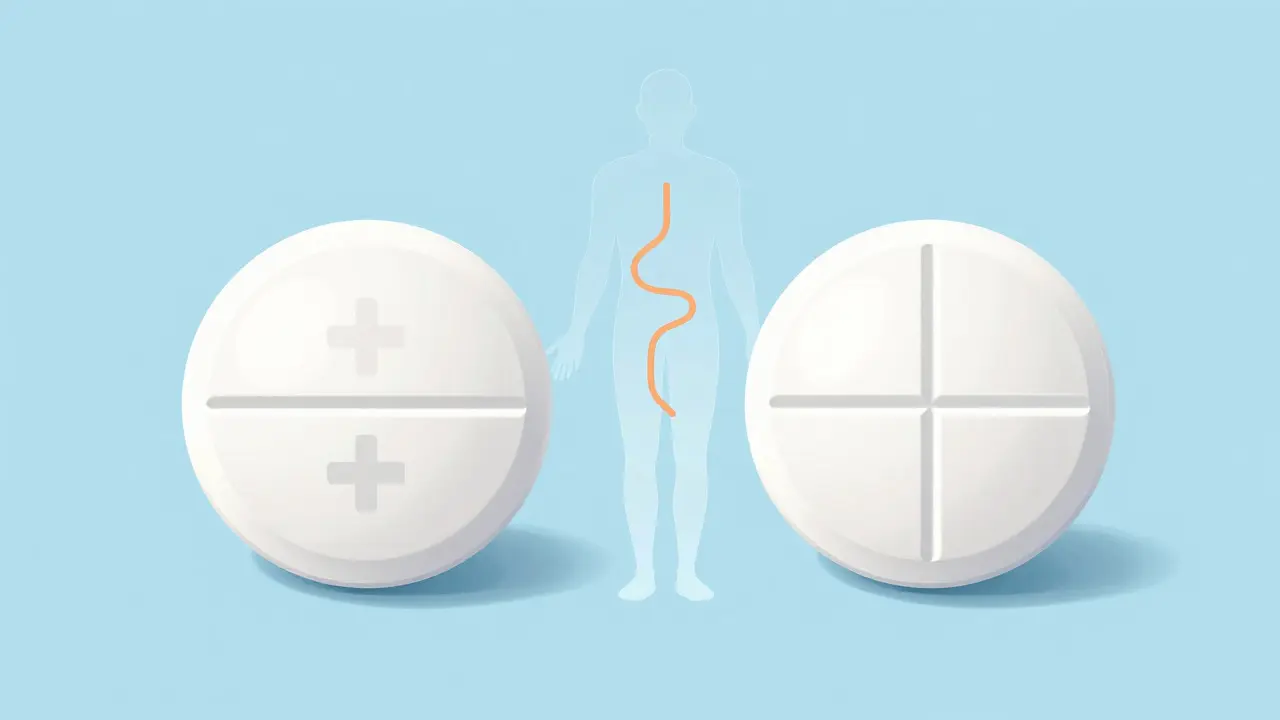
This variation happens because generics don't just copy the active drug; they also have to replicate how it dissolves and moves through your gut. While the active pharmaceutical ingredient (API) is identical, the way it’s packaged-its formulation-can vary. This packaging includes inactive ingredients, also known as excipients. These make up 80-99% of the pill’s weight but don't treat the condition. They include fillers, binders, dyes, and preservatives.
| Metric | FDA Requirement | Potential Clinical Impact |
|---|---|---|
| Absorption Range | 80-125% of brand | Up to 45% variance between two generics |
| Confidence Interval | 90% CI for mean difference | Individual outliers may fall outside mean |
| Excipient Variance | No strict limit | Allergies, absorption changes, taste issues |
| Narrow Therapeutic Index | Tighter monitoring required | Small PK changes cause big health shifts |
The Role of Inactive Ingredients
If the active drug is the engine, the inactive ingredients are the chassis, tires, and fuel system. Changing them can change how the car drives. For most patients, these excipients are harmless. But for some, they trigger specific reactions. Sodium metabisulfite, a common preservative, causes allergic reactions in about 5-10% of asthmatics. Lactose intolerance can affect how well certain tablets dissolve in your stomach. Even the coating of a pill can alter when and where it releases the drug.
A study published in JAMA Internal Medicine highlighted this issue with levothyroxine, a hormone replacement therapy. Patients switching from brand-name Synthroid to various generics saw significant fluctuations in their Thyroid Stimulating Hormone (TSH) levels. About 23.7% of switchers experienced TSH levels outside the therapeutic range within six months, compared to 14.2% who stayed on the brand. Why? Different manufacturers use different fillers and coatings, which can subtly change how much levothyroxine your body actually absorbs.
Narrow Therapeutic Index Drugs Are High Risk
Not all drugs are created equal. Some have a wide safety margin. Metformin, for diabetes, is a prime example. Studies show no significant difference in HbA1c reduction between generic and brand-name versions. Your body tolerates the minor variations in absorption without breaking a sweat.
Then there are Narrow Therapeutic Index (NTI) drugs. These are medications where a small change in blood concentration can lead to either treatment failure or toxicity. Common NTIs include:
- Levothyroxine: For hypothyroidism. Small changes affect metabolism, mood, and energy.
- Warfarin: A blood thinner. Too little risks clots; too much risks bleeding.
- Phenytoin: An anticonvulsant. Slight increases can cause toxicity symptoms like dizziness or confusion.
- Cyclosporine: Used after organ transplants. Precision is critical to prevent rejection.
For these drugs, the FDA’s 80-125% rule feels less like a safety net and more like a trapeze act. A 2018 study in Epilepsia found that 17.3% of patients experienced breakthrough seizures after switching from brand-name lamotrigine to generics, compared to 8.9% who stayed on the brand. That’s nearly double the risk for a condition where stability is everything.
Pharmacogenomics: Your Genetic Blueprint Matters
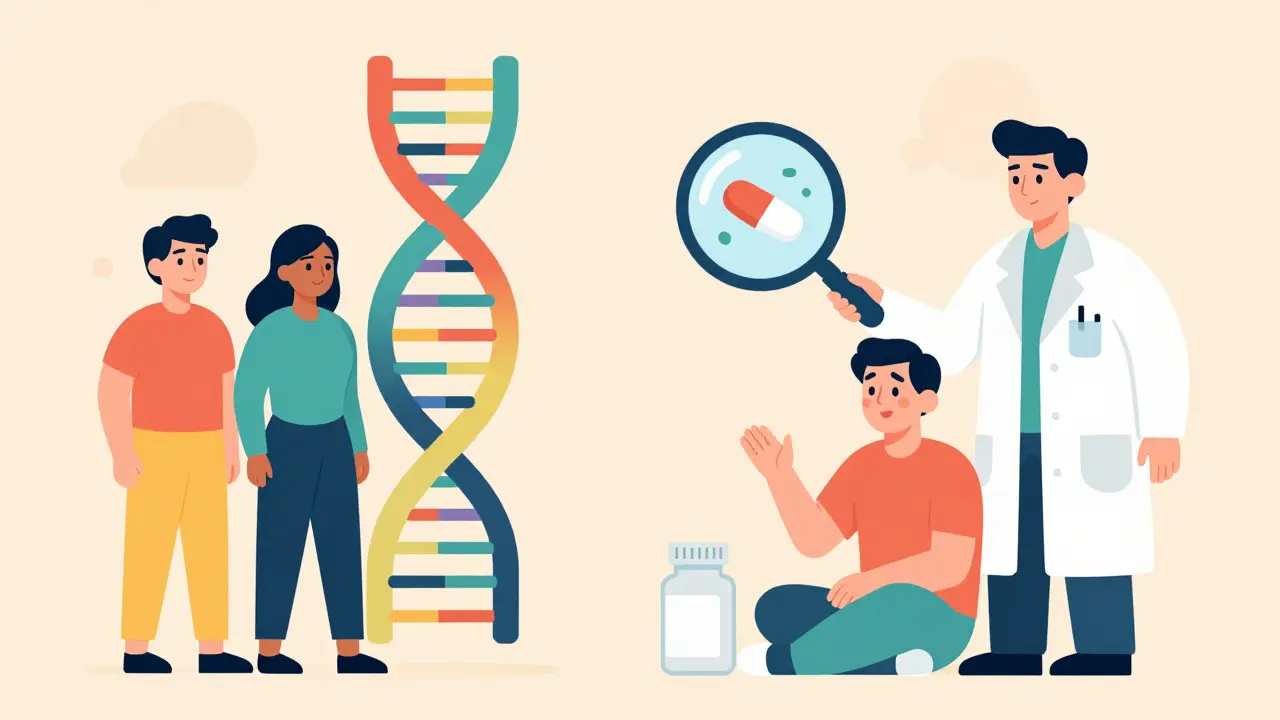
Your DNA plays a huge role in how you process medications. Enzymes in your liver, such as CYP450 variants, break down drugs at different speeds depending on your genetics. Two people taking the same generic pill might have vastly different blood concentrations because one metabolizes the drug quickly, while the other does so slowly.
Recent research suggests that pharmacogenomic testing can predict individual responses to generic medications with up to 83.7% accuracy for certain drug classes. This means that instead of guessing whether a generic will work for you, doctors could potentially look at your genetic profile to recommend the best formulation. While this isn't standard practice yet, it highlights that "one size fits all" doesn't apply to drug metabolism.
How to Manage Switches Safely
If you’re worried about switching to a generic, you don’t have to guess. There are practical steps you can take to protect your health.
- Check for NTI Status: Ask your pharmacist if your medication has a Narrow Therapeutic Index. If it does, request consistency. Many pharmacies now have protocols to keep you on the same manufacturer unless necessary.
- Monitor Closely: After any switch, especially for NTI drugs, schedule follow-up tests. For warfarin, check INR levels within 3-5 days. For levothyroxine, recheck TSH levels in 6-8 weeks.
- Keep a Symptom Diary: Track fatigue, mood, pain levels, or other side effects for the first month after a switch. Patterns emerge faster than lab results sometimes.
- Review Excipients: If you have allergies (e.g., to sulfites or dyes), ask your pharmacist to check the FDA’s Inactive Ingredient Database for the new product.
It’s worth noting that regulatory bodies are tightening standards. The European Medicines Agency already enforces stricter bioequivalence ranges (90-111%) for NTI drugs compared to the FDA’s wider window. This approach has led to fewer generic approvals for these sensitive medications in the EU, prioritizing stability over cost savings.
The Cost-Benefit Trade-Off
Generics save the U.S. healthcare system approximately $373 billion annually. They account for 90% of prescriptions dispensed but only 23% of spending. Without them, many people couldn't afford life-saving treatments. The question isn't whether generics are good-they are-but whether we need personalized approaches for vulnerable populations.
Addressing individual response concerns through tighter manufacturing standards could increase generic costs by 4.2-7.8%. However, this might reduce downstream healthcare costs by $12.4 billion annually by preventing adverse events. For patients on complex regimens, the slight price bump might be worth the peace of mind and consistent efficacy.
Are generic drugs less effective than brand-name drugs?
No, generic drugs contain the same active ingredient and are proven to be therapeutically equivalent. However, individual responses can vary due to differences in inactive ingredients and absorption rates, particularly for drugs with a narrow therapeutic index. Most patients experience no difference in effectiveness.
Why do I feel different after switching to a generic?
You may feel different due to variations in inactive ingredients (excipients) or slight differences in how quickly the drug is absorbed (bioavailability). This is more common with medications that have a narrow therapeutic index, where small changes in blood levels can produce noticeable physical effects.
What is a Narrow Therapeutic Index (NTI) drug?
An NTI drug is a medication where the difference between an effective dose and a toxic dose is very small. Examples include warfarin, levothyroxine, and phenytoin. For these drugs, even minor variations in absorption can lead to serious health consequences, requiring careful monitoring during switches.
Can I ask my pharmacist to keep me on the same generic manufacturer?
Yes. Many pharmacies offer consistency programs, especially for NTI drugs. You can request that they order the same manufacturer’s product each time. Be aware that supply chain issues occasionally force changes, but pharmacists can usually warn you in advance.
Do inactive ingredients affect everyone?
No, most people tolerate inactive ingredients without issue. However, individuals with specific allergies (like sulfites or lactose) or sensitivities may experience adverse reactions. Always inform your pharmacist of known allergies before accepting a new generic formulation.