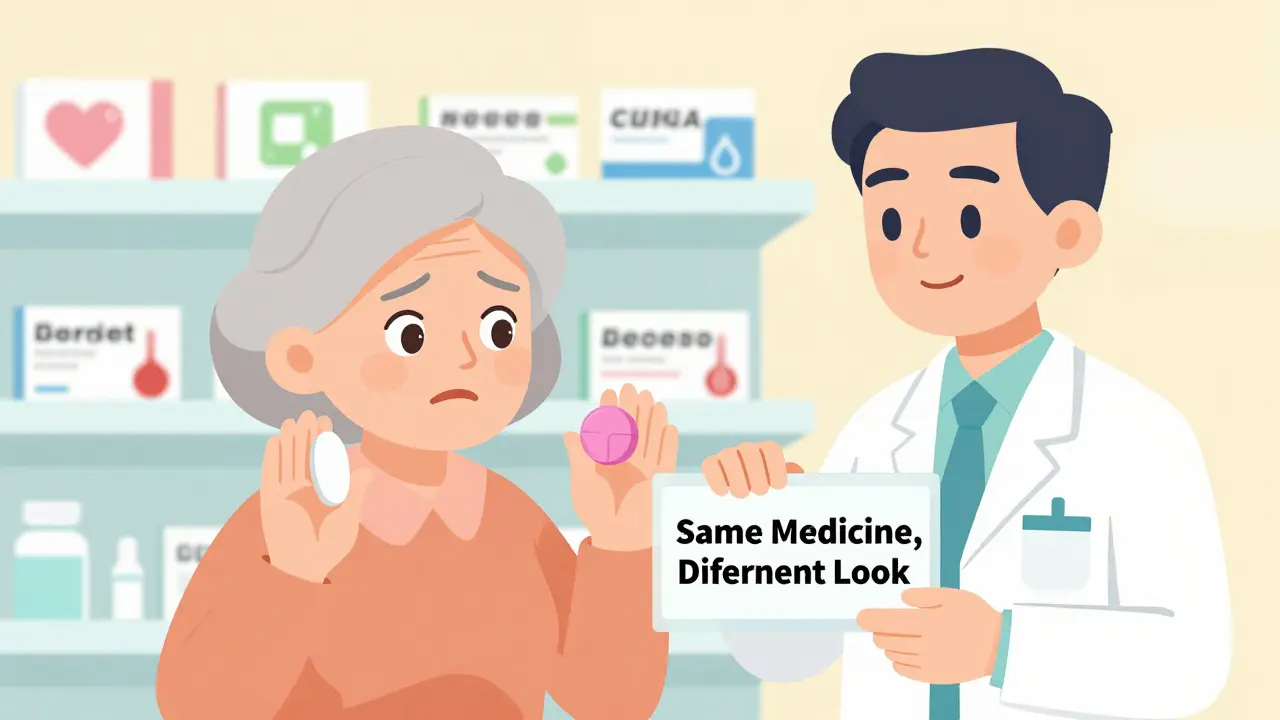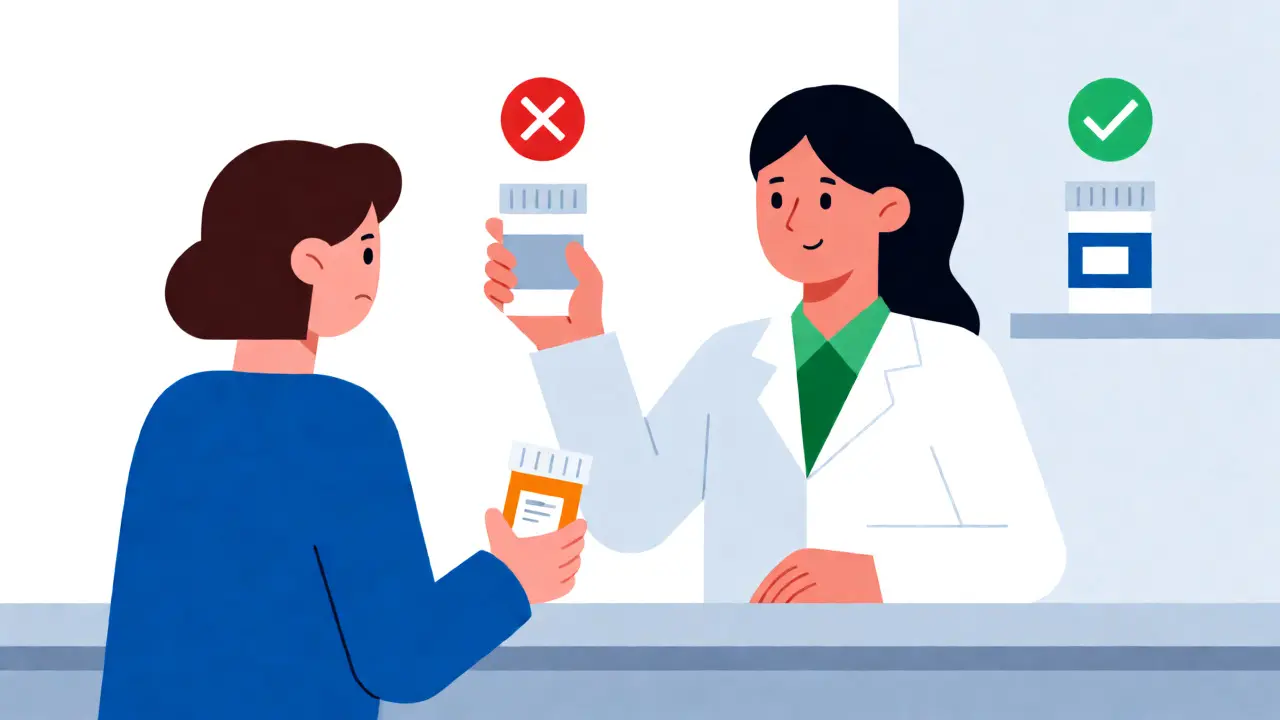
You just picked up your prescription, only to be told the pharmacy can't fill it because your insurance wants you to try a cheaper generic medication first. It’s frustrating, especially when you know from experience that the generic version doesn’t work for you or causes nasty side effects. But here’s the good news: you’re not stuck with that denial. Insurance companies have a formal process called an appeal a formal request to reconsider a coverage decision, and if you know how to navigate it, you can often win back access to the brand-name drug your doctor prescribed.
This isn’t about fighting the system blindly; it’s about providing the right evidence at the right time. According to data from the American Medical Association, nearly 72% of initial prescription denials are overturned through appeals. That means most people who actually fight the decision get what they need. The key is knowing exactly which steps to take, who to call, and what your doctor needs to write down. Let’s break down the process so you can handle it without losing your mind.
Understanding Why Your Insurance Says "No"
Before you start filling out forms, you need to understand why the denial happened. Most denials for brand-name drugs stem from something called step therapy an insurance policy requiring patients to try lower-cost medications before approving more expensive ones. Insurers use formularies-lists of covered drugs-to control costs. If a generic equivalent exists, they assume it’s clinically appropriate and force you to try it first.
However, generics aren’t always interchangeable in practice. While the FDA ensures they have the same active ingredient, inactive ingredients (fillers, dyes) differ. Some patients react badly to these fillers, or the bioavailability differs enough to affect efficacy. When your insurer denies your brand-name drug, they are essentially saying, "Prove the cheap option won’t work." Your job is to prove them wrong.
Step 1: Get the Denial Details Right
The moment you get a denial, ask the pharmacist for the Explanation of Benefits (EOB) a document detailing what was denied and why. This document is your roadmap. It will list the specific reason code for the denial. Common codes include "Non-formulary," meaning the drug isn’t on their preferred list, or "Step Therapy Required," meaning you haven’t tried the required alternatives yet.
Don’t just glance at it. Read the appeal instructions carefully. Federal regulations require insurers to tell you how to appeal. Note the deadline. For commercial plans, you typically have 180 days from the denial date to file an internal appeal. Medicare Part D gives you 120 days. Missing this window means you lose your right to challenge the decision for that year. Save every piece of paper and note the date of the denial.
Step 2: Talk to Your Doctor (The Critical Step)
You cannot win an appeal alone. The insurance company trusts doctors, not patients. You need your prescribing physician to submit a Letter of Medical Necessity a detailed statement explaining why a specific treatment is required. This isn’t just a quick email saying "Please approve." It needs substance.
Ask your doctor to include three specific things:
- Clinical Justification: Why the generic or alternative failed. Did you have an allergic reaction? Did symptoms worsen? Was there a lack of efficacy?
- Evidence of Failure: Dates and details of previous attempts with other drugs. If you tried Drug A and got a rash, say so. If you tried Drug B and it didn’t help, say that too.
- Guideline References: Cite current clinical guidelines. If the American College of Physicians recommends Brand X for your specific condition history, have your doctor mention it.
A vague letter gets rejected. A detailed one with dates, symptoms, and guideline citations gets read. Studies show that appeals including specific clinical guideline references have a significantly higher success rate than those without.

Step 3: File the Internal Appeal
Once your doctor sends the letter, you (or their office staff) must submit the formal appeal form to the insurance company. This is usually done online via the insurer’s provider portal or by fax/mail if you’re doing it yourself. Attach the Letter of Medical Necessity, your EOB, and any relevant lab results or medical records that support your case.
Here is a pro tip: Request a Peer-to-Peer Review a direct conversation between the prescribing physician and the insurance medical director. This is often the most effective strategy. Instead of letting a non-medical claims processor reject the paperwork, a real doctor talks to another real doctor. In these conversations, physicians can explain nuances that don’t fit into a checkbox form. Success rates for peer-to-peer reviews often exceed 75% when properly prepared.
| Appeal Type | Who Reviews It | Typical Timeline | Best For |
|---|---|---|---|
| Standard Internal | Nurse/Claims Processor | 7-14 Days | Simple documentation errors |
| Expedited Internal | Nurse/Physician | 72 Hours | Urgent health risks |
| Peer-to-Peer | Prescribing MD vs. Insurer MD | Scheduled within days | Complex clinical cases |
| External Review | Independent Third Party | Up to 45 Days | Final resort after internal denial |
Step 4: What If They Still Say No?
If the internal appeal is denied, you have two main options: escalate internally or go external. Many plans allow a second level of internal review. If that fails, you can request an External Independent Review a binding decision by an outside medical expert.
For commercial plans, the Affordable Care Act guarantees the right to external review. An independent organization, not your insurance company, looks at the facts. Their decision is binding. If they say you should get the drug, your insurer must pay. This step sounds scary, but it’s powerful. In Medicare Part D, the second level of appeal (Independent Review Entity) has a high overturn rate because these reviewers are neutral experts.
Keep in mind timelines. Standard external reviews can take up to 45 days. If your health is at immediate risk, request an expedited external review, which usually happens within 72 hours.

Common Pitfalls to Avoid
Most failed appeals fail for administrative reasons, not clinical ones. Here are the biggest mistakes people make:
- Missing Deadlines: Always calendar the due date immediately.
- Vague Documentation: "The patient prefers the brand name" is not a medical reason. "The patient experienced severe hypoglycemia on the generic" is.
- Failing to Follow Up: Call the insurer every few days to check status. Ask for a reference number for every call.
- Ignoring State Laws: Some states have stronger protections. California, for example, has strict rules about step therapy exceptions. Check your state insurance commissioner’s website.
When to Seek Help
If you’re dealing with a complex chronic condition or expensive specialty drugs, consider hiring a patient advocate or asking your doctor’s office for a dedicated prior authorization specialist. These professionals know the specific quirks of UnitedHealthcare, Aetna, or Cigna. They know which words trigger a fast approval and which forms are mandatory.
Also, don’t underestimate the power of complaining to your state’s Department of Insurance. If your insurer is dragging its feet or ignoring federal timelines, filing a complaint with the state regulator often speeds things up dramatically. In some states, like California, the resolution rate for formal complaints is over 90%.
How long do I have to file an insurance appeal?
For most commercial insurance plans, you have 180 days from the date of the denial to file an internal appeal. Medicare Part D plans typically give you 120 days. Medicaid timelines vary by state, so check your specific plan documents or contact your state’s Medicaid office immediately upon receiving a denial.
What is a Peer-to-Peer review?
A Peer-to-Peer review is a phone conversation between your prescribing physician and a medical director employed by your insurance company. It allows the doctor to explain clinical nuances directly to another doctor, bypassing standard claims processors. This method often has higher success rates because it focuses on medical necessity rather than just paperwork compliance.
Can I appeal if I haven't tried the generic yet?
Yes, but it is harder. You must prove that trying the generic would cause serious harm or delay recovery. This is called a "Step Therapy Exception." Your doctor must document that the generic is contraindicated for you, perhaps due to allergies to inactive ingredients or known poor tolerability based on your medical history.
Does an external review cost money?
Generally, no. Under the Affordable Care Act, external reviews for commercial plans are free to the consumer. The cost is borne by the insurance industry. However, you must exhaust all internal appeal levels before requesting an external review.
What if my doctor refuses to help with the appeal?
Doctors are busy, and appeals take time. If your doctor is unhelpful, ask to speak with their office manager or a nurse practitioner who handles prior authorizations. If they still refuse, you may need to find a new provider who advocates for patient access. Without physician support, winning an appeal is extremely difficult.