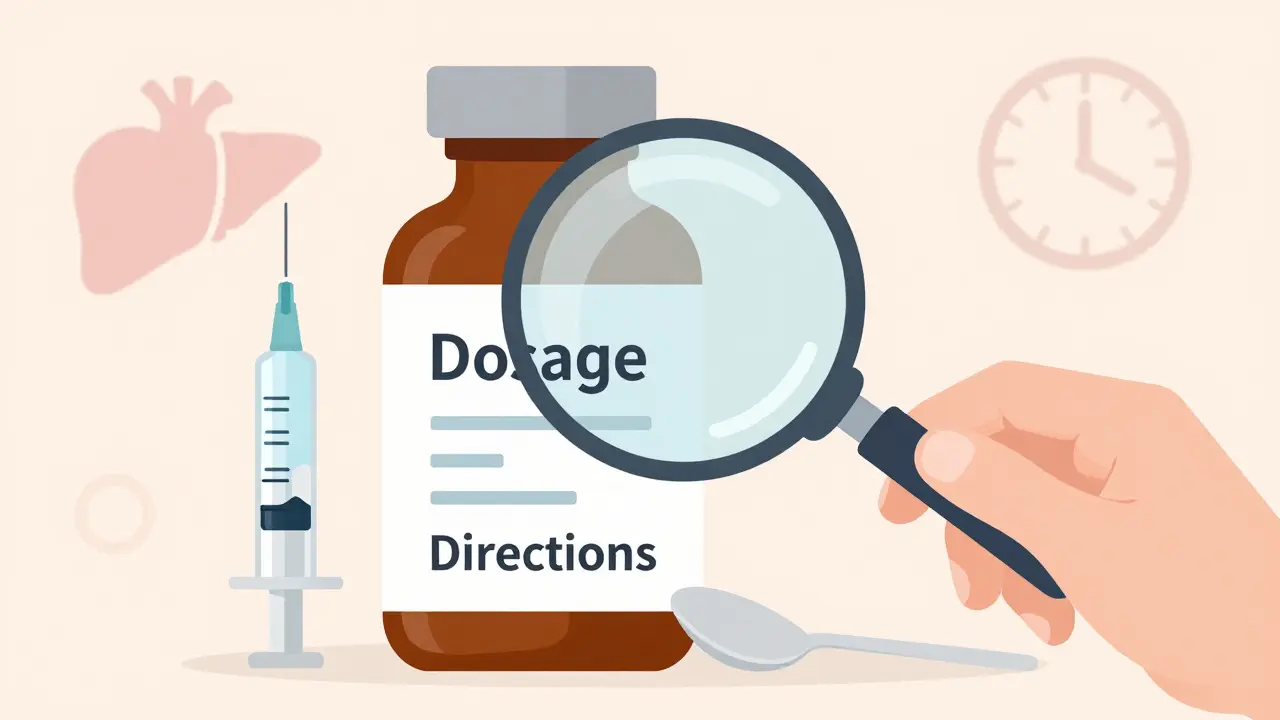
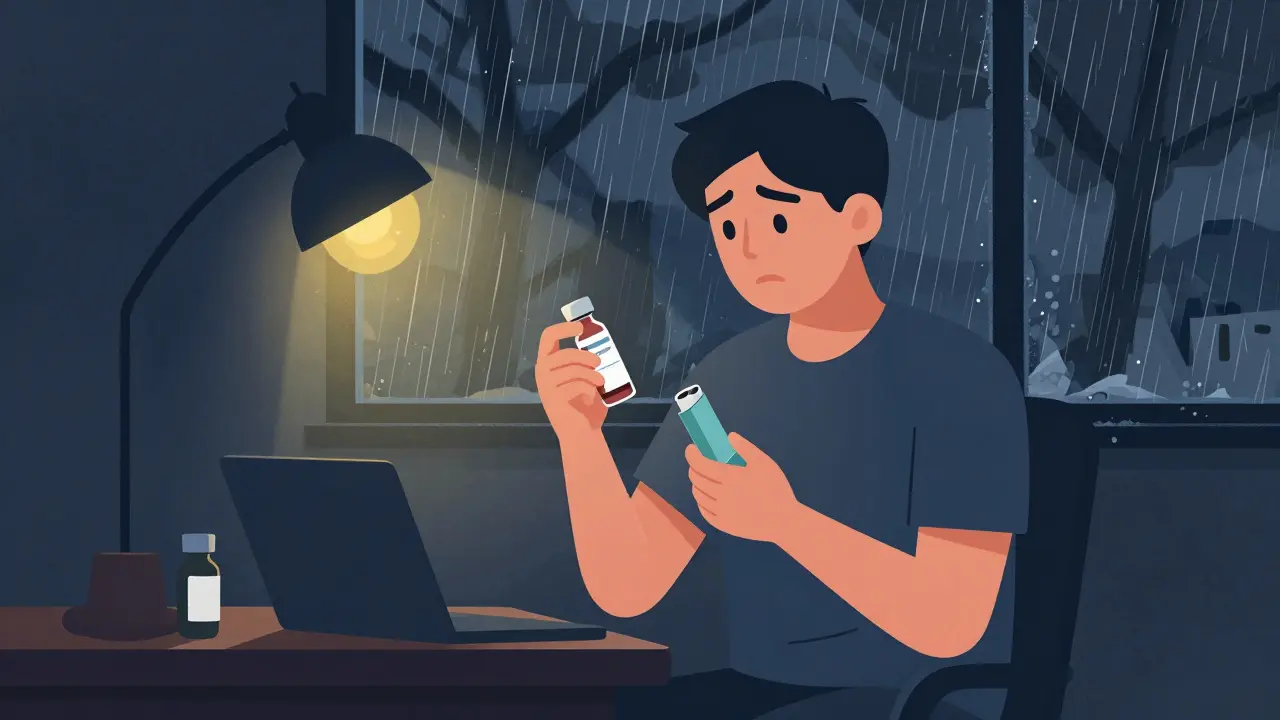
Every time you pick up a bottle of medicine-whether it’s from a pharmacy or the shelf at the grocery store-you’re holding a safety guide. But most people don’t read it like one. They glance at the name, maybe check the expiration date, and take it as directed. That’s not enough. Misreading a label can lead to taking too much, too little, or mixing dangerous combinations. In fact, half of all medication-related hospital stays happen because someone didn’t understand what the label said.
What’s on the label? Prescription vs. OTC
Prescription and over-the-counter (OTC) meds have different labels, but both are designed to keep you safe. Prescription labels follow strict FDA rules under the Highlights of Prescribing Information. These include 16 sections, with Section 2-Dosage and Administration-being the most important. It tells you exactly how much to take, how often, and if your kidneys or liver need a lower dose. It also warns about other drugs that might interact badly.
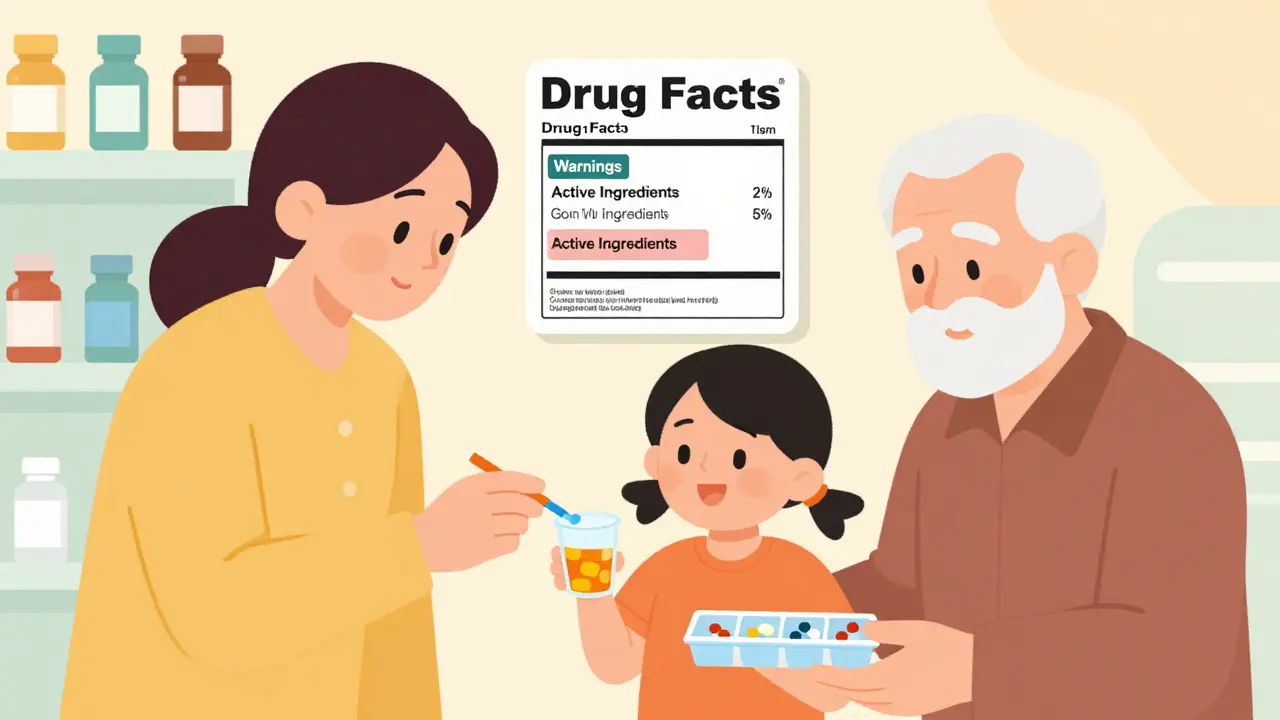
OTC labels use the Drug Facts format, required since 1999. You’ll find seven key parts: Active Ingredients, Uses, Warnings, Directions, Other Information, Inactive Ingredients, and Questions. The Directions section is the most overlooked-and the most dangerous if ignored. It doesn’t just say "take two pills." It says how often, when, and what not to do.
Understanding Dosage: More Than Just Numbers
Dosage isn’t just "two tablets." It’s about strength, timing, and your body. For example, if a label says "350 mg per 5 mL," that means every teaspoon-sized dose (5 mL) has 350 mg of the drug. If your doctor asks for 700 mg, you need two doses-not one. People often miss this and end up taking too little or too much.
For children, dosage is often based on weight, not age. If your child weighs 15 kg, you can’t guess the dose. You need to check the label’s weight-based chart or ask your pharmacist. Using a household spoon? Don’t. A teaspoon can hold anywhere from 2.5 to 7.3 mL. That’s a 200% difference. Always use the syringe or cup that comes with the medicine. They’re marked in milliliters (mL)-not teaspoons or tablespoons.
Directions: What the Label Won’t Say Out Loud
"Take with food" isn’t just advice. Some meds cause stomach upset if taken empty. Others won’t absorb properly without fat. "Take at bedtime" might mean it causes drowsiness-or that it’s more effective when your body’s resting. "Every 6 hours" means four times a day-not just when you remember. Skipping doses or doubling up because you forgot? That’s how overdoses happen.
Also watch for "as needed" instructions. These are tricky. "Take 1 tablet every 4 to 6 hours as needed for pain" means you can take up to 4 doses in 24 hours-not 8. Many people think "as needed" means "whenever I feel like it." That’s not true. The label sets the limit.
Warnings: The Section People Skip (And Why It’s Deadly)
Warnings are the most ignored part of any label. But they’re where the real risks live. Look for phrases like:
- "Do not use if you have liver disease"
- "May cause drowsiness-do not operate machinery"
- "Avoid alcohol"
- "May interact with blood thinners"
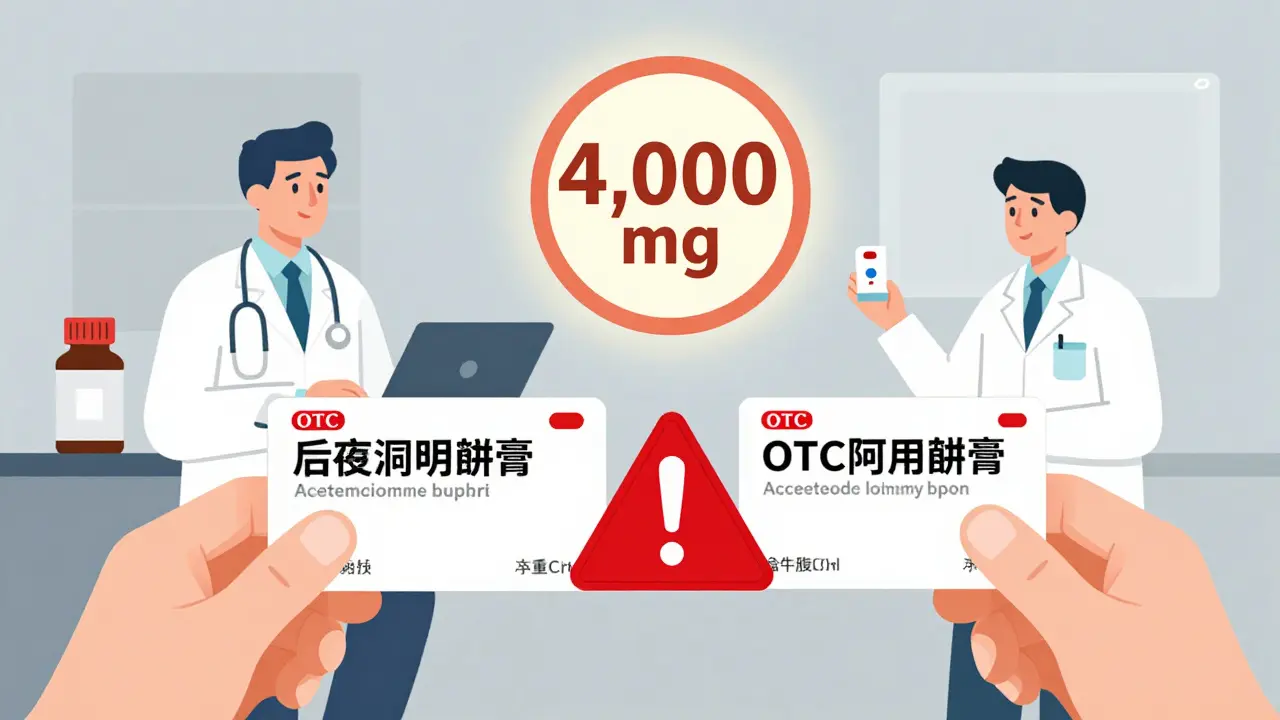
One of the biggest dangers? Taking two meds with the same active ingredient. For example, many cold and flu pills contain acetaminophen. So do pain relievers like Tylenol. If you take both, you can accidentally hit 4,000 mg-the max daily limit-and cause liver damage. In 2022, emergency rooms saw 27% of medication errors linked to this exact mistake.
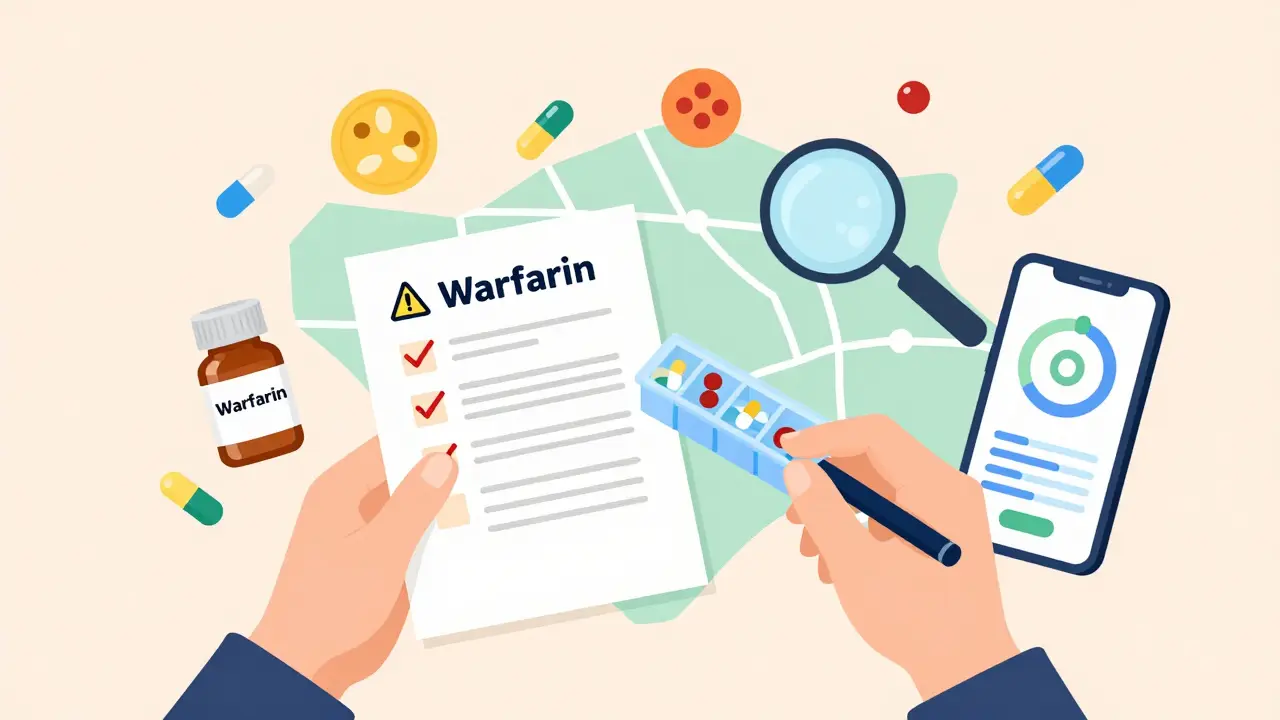
Also check for "black box" warnings on prescription labels. These are the FDA’s strongest alerts-reserved for drugs that can cause serious harm or death. If your pill has one, you should have gotten a Medication Guide. If you didn’t, ask for it.
Expiration Dates: Not Just a Formality
Expired meds don’t always turn harmful, but they lose strength. A 2021 FDA study found that 15% of antibiotics past their date had less than 90% of the labeled potency. That means you might not get the full effect-and bacteria could keep growing. Prescription meds usually expire one year after the pharmacy fills them, even if the bottle says 2027. OTC meds last 2-3 years from manufacture. If the label says "discard after opening," follow it. Liquid antibiotics, eye drops, and insulin are especially sensitive.
Special Cases: Kids, Seniors, and Multiple Meds
For children, always use the dosing tool that comes with the bottle. Never rely on a kitchen spoon. If the label says "for children 2-11 years," but your child is 18 months, ask your doctor. Age ranges are broad. Weight matters more.
Seniors often take five or more meds a day. That’s where confusion spikes. A 2023 study found that 53% of older adults didn’t read dosage modification instructions-like "reduce dose if you have kidney problems." If you’re on multiple drugs, bring your list to your pharmacist. They can spot duplicates or dangerous combos.
And if you’re on insulin, blood thinners, or opioids? You should have received a Medication Guide. These are separate booklets with plain-language instructions. If you didn’t get one, ask. The FDA requires them for 153 high-risk drugs.
What to Do If You’re Confused
Never guess. If the label says "take 1.5 tablets," and you don’t have a 0.5 tablet, ask your pharmacist. They can split it for you or suggest an alternative. If you’re not sure about timing, ask: "Should I take this before, with, or after meals?" If you’re unsure about interactions, say: "I’m also taking [name of other drug]. Is this safe?"
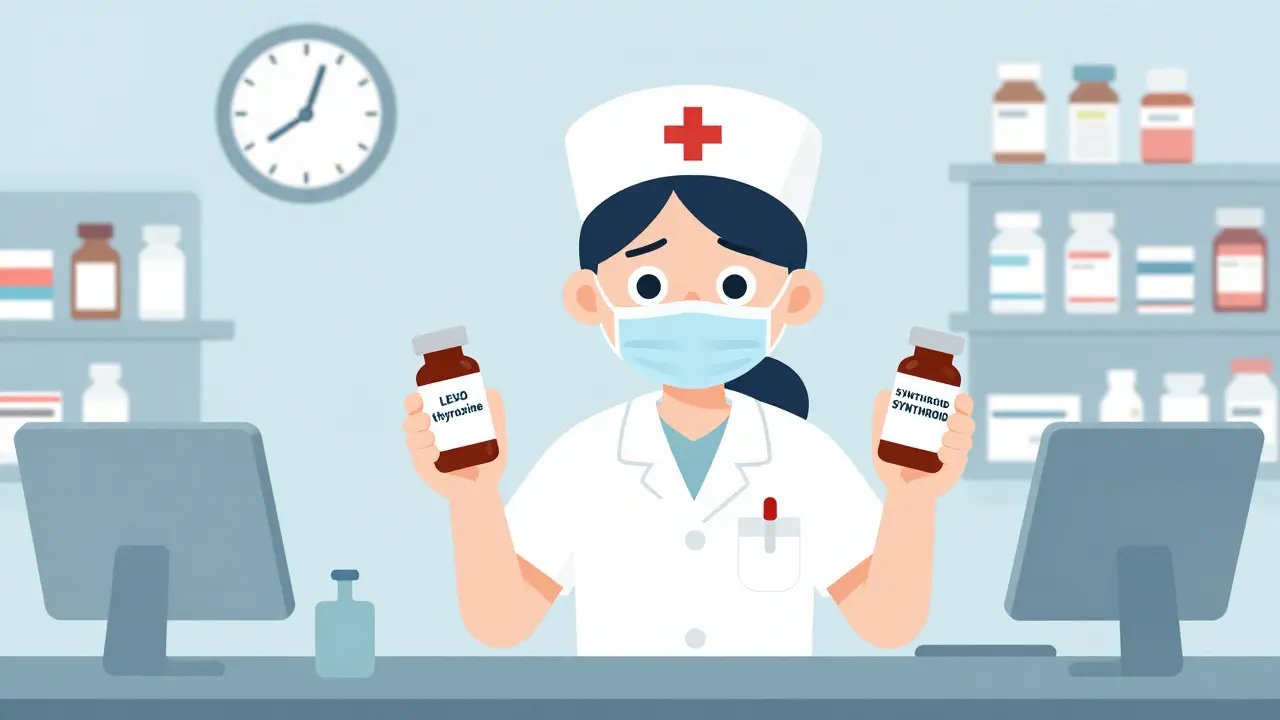
Pharmacists are trained to explain labels. They’re not just filling prescriptions-they’re your last line of defense. Use them.
The Future: Simpler Labels, Better Safety
The FDA is working on making labels easier to read. By 2024, many prescriptions will have QR codes that link to video instructions. Some labels are already using icons-like a coffee cup for "avoid caffeine" or a sun for "may cause sun sensitivity." In 2027, high-alert drugs will have standardized color-coding across all brands. Think red for blood thinners, orange for opioids. It’s a big step toward reducing confusion.
But until then, the responsibility is yours. Read the label. Twice. If you’re still unsure, call your pharmacist. It’s not a waste of time. It could save your life.
10 Comments
Write a comment