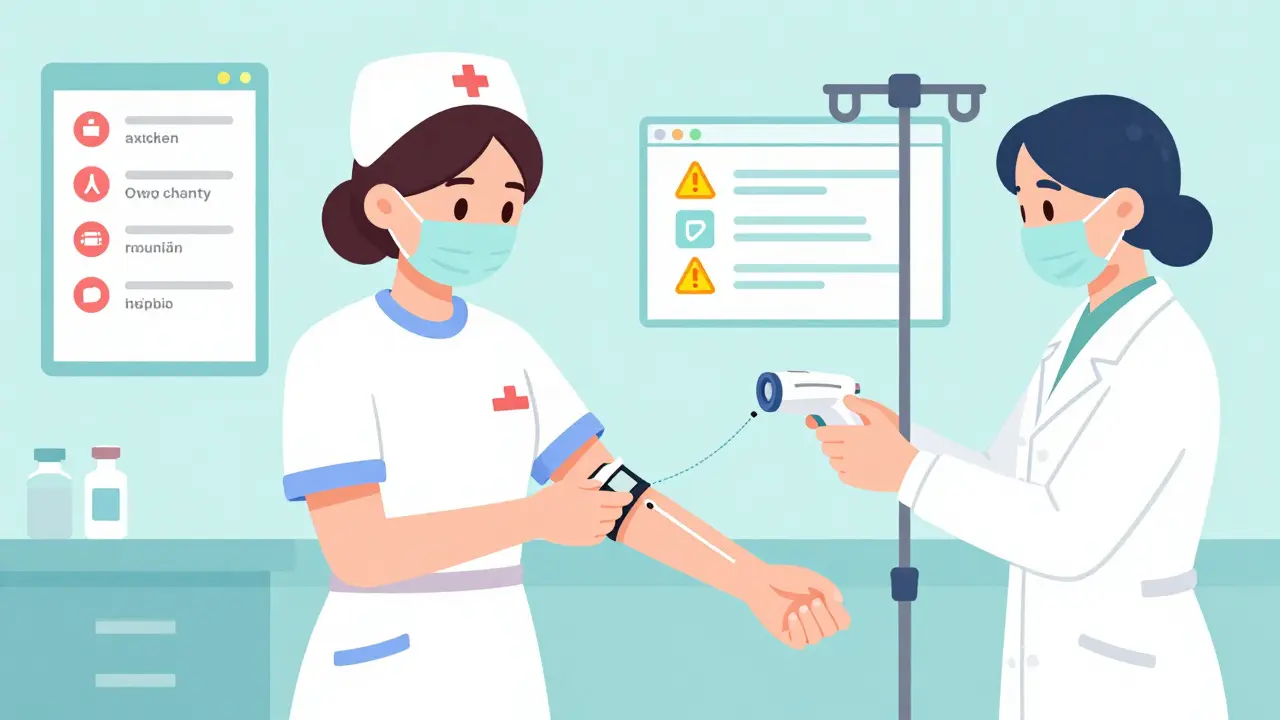
Every year, hundreds of thousands of patients in U.S. hospitals suffer harm because of medication mistakes. These aren’t rare accidents. They’re preventable. In fact, one study found that at least one medication error happens per hospital patient each day. That’s not a statistic from decades ago-it’s current. And it’s happening right now in hospitals and clinics across the country.
What Exactly Counts as a Medication Error?
A medication error isn’t just giving the wrong pill. It’s anything that goes wrong in the process-from prescribing to dispensing to giving the drug to the patient. The American Society of Health-System Pharmacists defines it as any preventable event that leads to inappropriate use or patient harm. This includes:- Wrong drug, wrong dose, wrong time
- Wrong patient (yes, this still happens)
- Wrong route (like giving a drug meant for IV injection into the spine)
- Missing checks before administration
- Poor communication between staff
- Confusing drug names (like vinca alkaloids vs. chemotherapy drugs)
Some errors cause minor discomfort. Others lead to permanent injury or death. The Institute of Medicine estimated that 7,000 people die each year in U.S. hospitals from preventable medication errors. That’s more than car accidents.
The Big Culprits: High-Alert Medications
Not all drugs carry the same risk. Some are so dangerous that even a small mistake can be deadly. These are called high-alert medications. The Institute for Safe Medication Practices (ISMP) keeps a list, and hospitals are required to identify them locally. Common ones include:- Insulin
- Opioids (like morphine and fentanyl)
- Anticoagulants (like heparin and warfarin)
- Intravenous potassium chloride
- Neuromuscular blocking agents
- Chemotherapy drugs (especially methotrexate and vinca alkaloids)
For example, giving methotrexate-usually a weekly cancer drug-every day by accident can kill a patient within days. That’s not hypothetical. It’s happened. And it’s still happening in places without proper safeguards.
How Hospitals Are Fighting Back
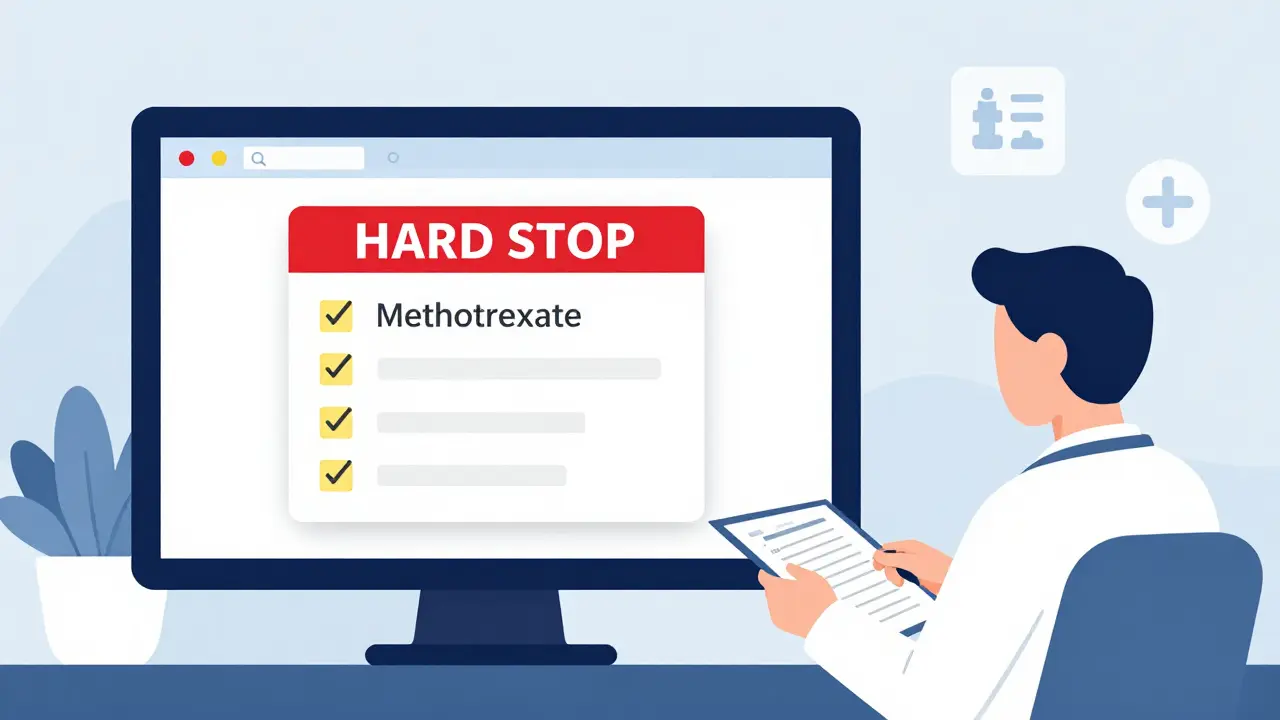
The good news? We know what works. The ISMP’s Targeted Medication Safety Best Practices for Hospitals (2020-2021) outlines 19 proven strategies. Here are three that make a real difference:- Hard stops in electronic systems: If a doctor orders methotrexate daily, the system should block it unless they confirm it’s for cancer treatment. This simple fix has prevented an estimated 1,200 serious errors per year.
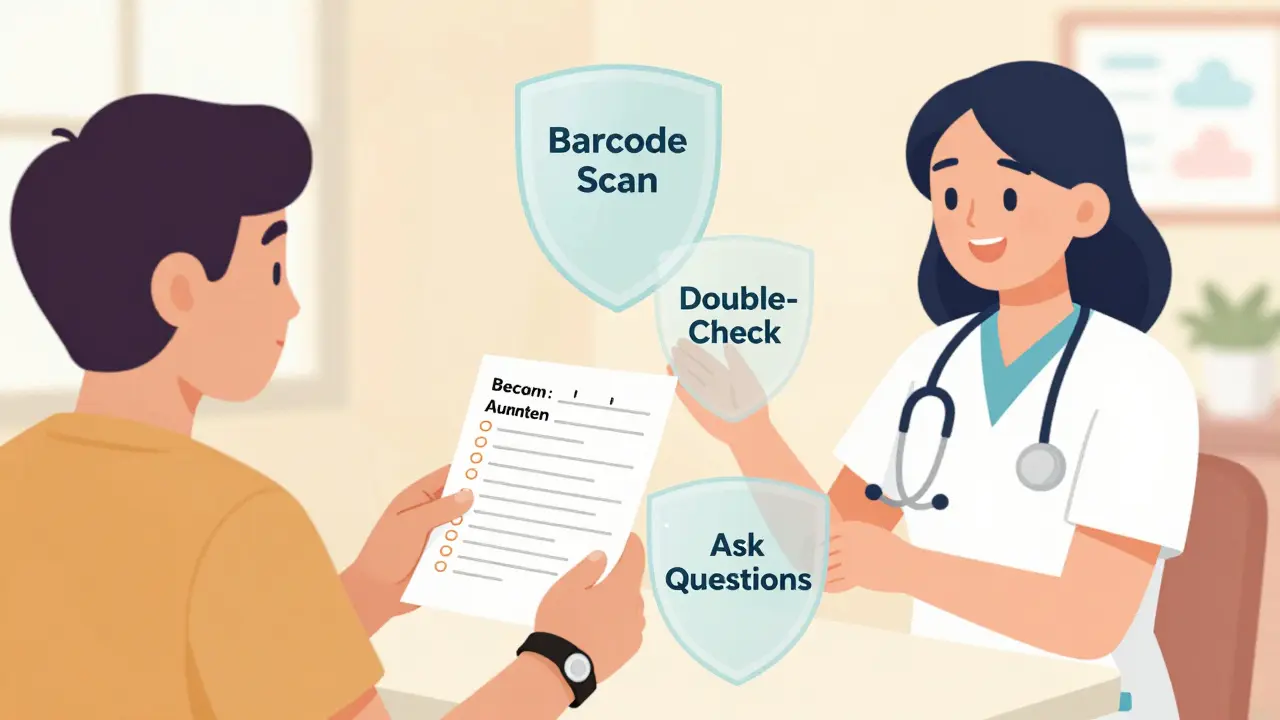
- Barcode scanning: Nurses scan the patient’s wristband and the medication before giving it. This cuts wrong-patient errors by over 50% in hospitals that use it fully.
- Independent double-checks: For high-risk drugs like IV insulin or opioids, two staff members verify the dose, route, and patient before administration.
Hospitals that implement these practices see 55% fewer serious errors, according to the Agency for Healthcare Research and Quality (AHRQ). But here’s the catch: only 42% of community hospitals fully use all ISMP best practices. Academic hospitals? 78%. The gap is real-and deadly.
Why Do Errors Keep Happening?
It’s not just about technology. It’s about systems. Many hospitals have the tools but not the processes. Common problems include:- Electronic health records that don’t support hard stops
- Staff skipping scans because they’re rushed
- Pharmacists manually checking orders because the system won’t do it
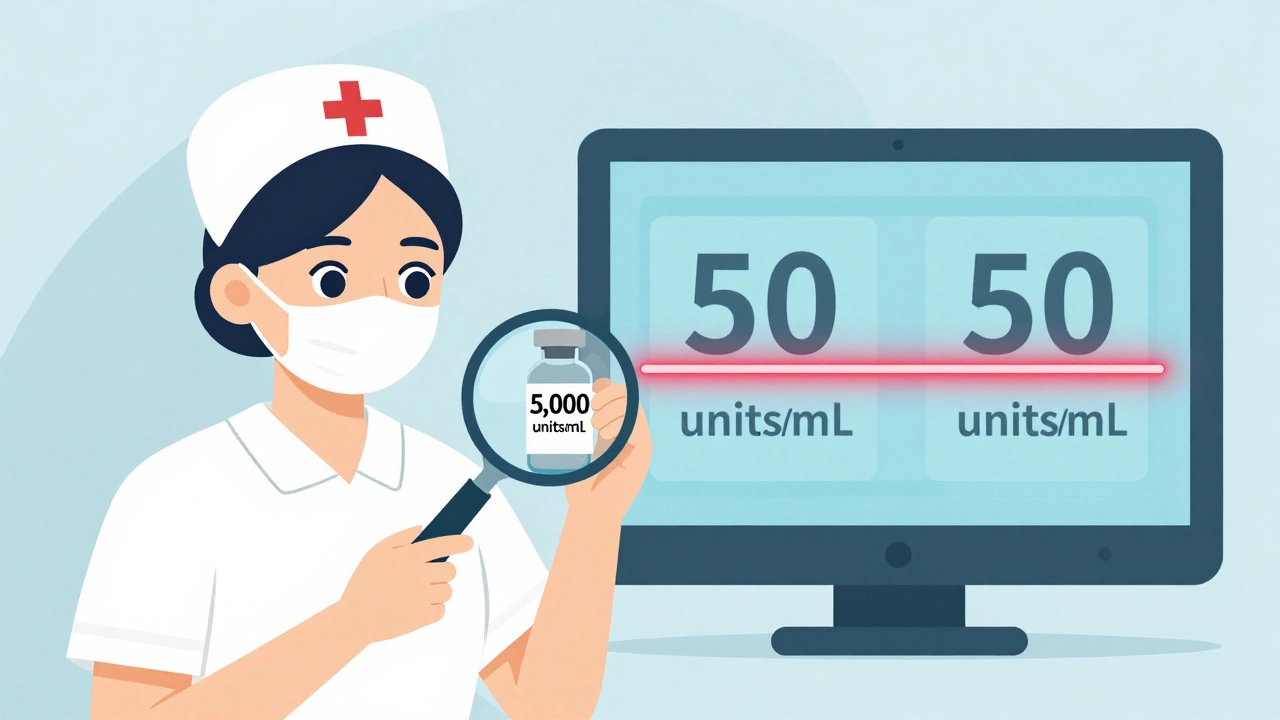
- Confusing drug labels (e.g., similar-looking vials of potassium and magnesium)
- Lack of training for new hires
One nurse in a rural hospital reported that requiring both written and verbal discharge instructions for methotrexate created delays during staffing shortages. That’s a sign of poor workflow design, not lack of care. The fix isn’t more rules-it’s better design.
What Patients Can Do
You’re not powerless. Even in a hospital, you can protect yourself:- Ask: “What is this drug for?”
- Check your wristband: Does it have your full name and birth date?
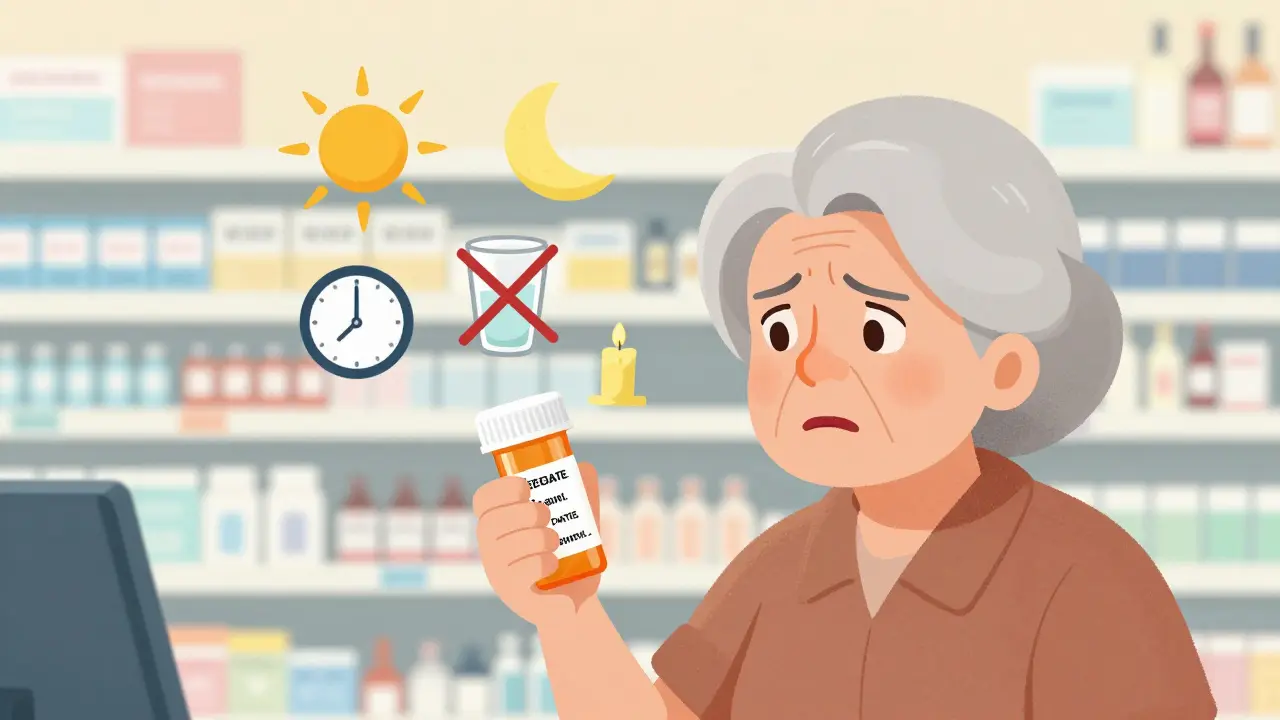
- Know your meds: Keep a list of all your medications and dosages-even ones you take at home.
- Ask the nurse: “Can you double-check my name and the drug before you give it?”
A survey by the National Council on Aging found that 68% of seniors aged 65+ felt safer when staff verified their identity using name, birth date, and wristband. That’s not just a formality-it’s your safety net.
The Cost of Inaction
Medication errors cost the U.S. healthcare system $21 billion a year. That’s not just money-it’s human lives. But the investment pays off. Hospitals that spend $285,000 on training and system upgrades see a return in reduced lawsuits, shorter stays, and fewer readmissions. The AHRQ found that for every dollar spent on medication safety, hospitals saved $3.50 in avoided costs.And it’s not just hospitals. Outpatient clinics are seeing a 47% rise in medication errors since 2018. That’s why ISMP is expanding its best practices to include ambulatory settings in 2024-2025. The problem is spreading-and so must the solutions.
What’s Next?
The future of medication safety is smarter tech. By 2025, Gartner predicts 75% of U.S. hospitals will use artificial intelligence to catch errors in real time. Imagine a system that flags a drug interaction before the order is even signed. That’s not sci-fi-it’s already being tested at Mayo Clinic and Johns Hopkins.Meanwhile, the FDA is tightening labeling rules for high-concentration electrolytes. The AHRQ is pushing for a 50% drop in opioid-related harm by 2027. And patients? They’re becoming part of the safety team. Pilot programs now let patients report near-misses through apps, improving detection by 32%.
Medication safety isn’t about perfection. It’s about layers. One layer fails? Another catches it. That’s the goal. And it’s possible-if we stop treating safety as an afterthought and start treating it like the lifeline it is.
Man, I worked ER for 6 years and saw this first hand. One night, some rookie gave a patient 10x the insulin dose because the EHR auto-filled the wrong route. Thank god the charge nurse caught it. These errors aren’t about bad people-they’re about bad systems.
Why do hospitals still use paper charts for high-alert meds? We’ve had barcode scanning for 15 years. If your hospital doesn’t use it, they’re literally gambling with lives. No excuses.
While the data presented is compelling and aligns with current clinical safety literature, I must emphasize the necessity of institutional compliance with Joint Commission standards, which mandate layered safety protocols for medication administration.
As someone from Nigeria where we don’t have the same tech infrastructure, I’ve seen how human diligence fills the gaps. Nurses here memorize drug names, cross-check with patients in local languages, and sometimes even write down dosages on paper because the system crashed. It’s not ideal, but it’s survival. We need global investment-not just in tech, but in training and trust. Safety isn’t a luxury; it’s a right. And when we design systems, we must include voices from the Global South, not just Silicon Valley.
The distinction between error and harm is critical. Not all medication errors result in harm; many are intercepted. The real metric should be interception rate, not error rate. A hospital with 50 errors but 48 interceptions is safer than one with 10 errors and 5 interceptions. The data in this post conflates the two, which undermines its utility.
I used to work in pharmacy. I saw a man die because his name was too close to another’s. They gave him the wrong chemo. No one meant to. But now I can’t sleep. I just stare at the ceiling. It’s not just numbers. It’s people. And we let them slip.
Oh, so now we’re blaming hospitals? Where were the regulators? The FDA? The $21 BILLION cost? Someone’s getting rich off this. I bet the EHR companies are laughing all the way to the bank while nurses get PTSD. It’s not incompetence-it’s a profit scheme. They want you sick. They want you confused. They want you dependent.
While the author references ISMP best practices, they neglect to mention that the majority of these protocols are voluntary. There is no federal mandate requiring hard stops, barcode scanning, or double-checks. This is not a systemic failure-it is a regulatory failure. Until Congress passes the Medication Safety Enforcement Act of 2025, we are merely rearranging deck chairs on the Titanic.
Interesting that they didn’t mention how Nigerian hospitals use community health workers as double-checkers. We don’t have barcode scanners, but we have neighbors who know your mother’s name. We have religious leaders who remind nurses to pause. Sometimes, the low-tech solution is more reliable than the high-tech one. Tech should serve humanity-not replace it.
It is imperative to recognize that cultural competence in medication safety extends beyond language. In India, we have observed that patients from rural backgrounds often defer to medical authority, even when they suspect an error. Educational initiatives must include culturally adapted patient empowerment tools-such as illustrated medication cards in regional languages-to ensure true participation in safety protocols.