Key Takeaways
- Medications change appetite by altering neurotransmitters like serotonin and dopamine in the hypothalamus.
- Weight gain often happens fastest in the first 3-6 months of treatment.
- Specific drug classes, especially second-generation antipsychotics, have the highest impact on hunger signals.
- Proactive behavioral changes and protein-rich snacking can reduce hunger spikes by up to 40%.
- Never stop or change your dosage without a doctor's guidance to avoid dangerous withdrawal.
The Biology of Drug-Induced Hunger
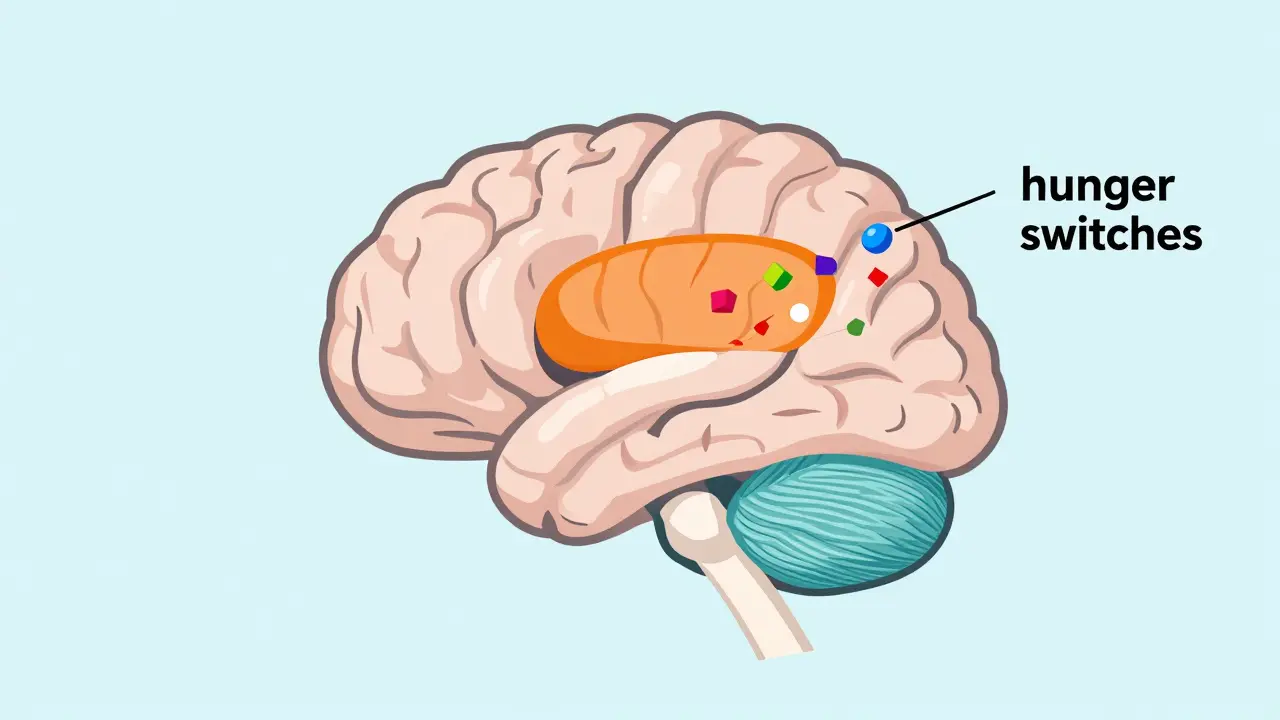
To understand why a pill can make you crave a bag of chips, we have to look at the Hypothalamus, which is the region of the brain responsible for regulating hunger, thirst, and body temperature. Most medications that affect your appetite do so by tinkering with neurotransmitter pathways.
For example, many Antidepressants target serotonin receptors. In the short term, these can actually make you feel full faster. However, after about a year, your brain may downregulate these receptors, which can lead to intense carbohydrate cravings for about 35% of patients. On the other hand, some medications increase levels of Ghrelin, which is the "hunger hormone" that signals your brain to eat. In those taking certain antipsychotics, ghrelin levels can jump by 15-20% within just a month, making you feel hungry even if you've just eaten.
Which Medications Cause the Biggest Shifts?
Not all drugs impact your weight the same way. Some are notorious for causing rapid gain, while others can actually suppress your appetite entirely. Knowing where your medication fits helps you predict what to expect.
| Medication Class | Typical Effect | Average Impact/Risk |
|---|---|---|
| Second-Gen Antipsychotics | Significant Increase | 5-10 kg average gain |
| Certain Antidepressants | Moderate Increase | 2-5 kg average gain |
| Insulin/Sulfonylureas | Moderate Increase | 2-4 kg average gain |
| Amphetamines | Significant Decrease | 300-500 calorie daily drop |
| Topiramate | Decrease | 3-5 kg loss in 6 months |
If you are on Olanzapine, you're dealing with one of the most potent appetite stimulants; some users report a constant, unquenchable hunger. In contrast, Bupropion is often used as a weight-neutral or even weight-loss alternative for those who can't tolerate the metabolic side effects of other antidepressants.
Managing the "Constant Hunger" Phase
If you've noticed your clothes fitting tighter, the most critical window for action is the first six months. Data shows that 80% of significant medication-induced weight gain happens during this period. The goal isn't necessarily a strict diet-which is hard to maintain when your brain is screaming for food-but rather a strategy to manage the signal.
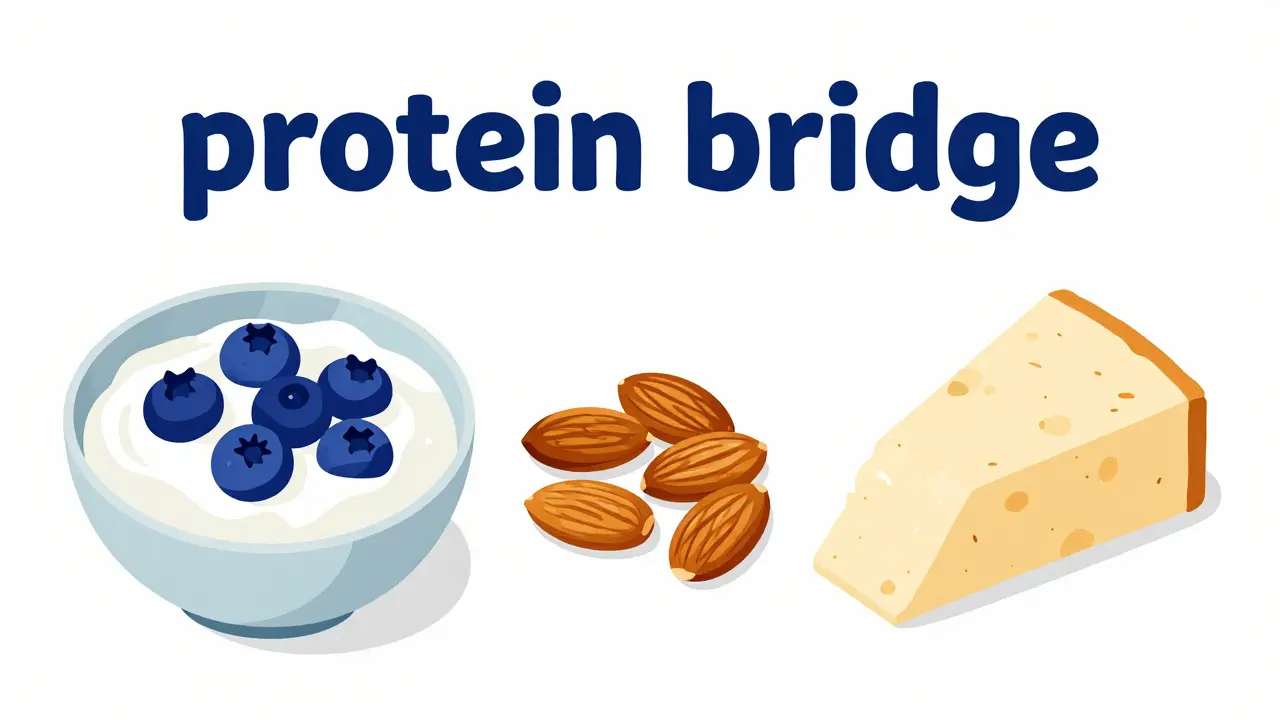
One of the most effective tricks is the "protein bridge." Instead of three large meals, aim for protein-rich snacks containing 15-20g of protein every 3-4 hours. This keeps your blood sugar steady (ideally between 70-110 mg/dL) and can cut hunger spikes by as much as 40%. Think Greek yogurt, a handful of almonds, or a piece of string cheese.
You can also hack your satiety by swapping refined carbs for whole grains. Users who make this switch report that they feel full for about 45 minutes longer per meal. Additionally, drinking a full glass of water before you start eating can naturally reduce your caloric intake by about 13% without you feeling deprived.
Practical Steps for Weight Stability
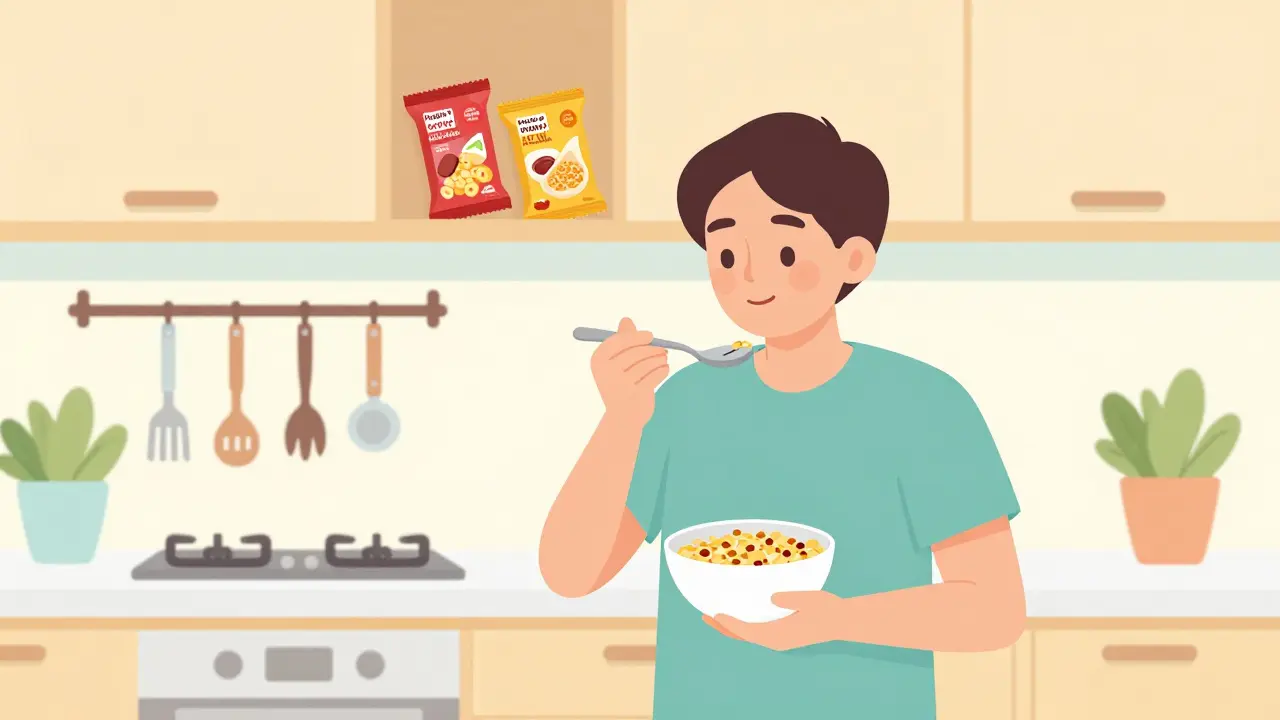
Managing medication appetite changes requires more than just willpower; it requires changing your environment. If you have high-calorie snacks sitting on your counter, you're more likely to eat them impulsively. Moving those snacks to a hard-to-reach cupboard can reduce impulsive eating by 35%.
Here is a simple checklist to keep your metabolism in check:
- Weekly Check-ins: Weigh yourself once a week for the first three months to catch trends early.
- Meal Prep: Prepping meals twice a week helps avoid "spontaneous eating," which can save you roughly 200 calories per day.
- Resistance Training: Lifting weights or doing bodyweight exercises 2-3 times a week increases muscle mass, which can bump your daily calorie burn by 50-100 calories.
- Mindful Eating: Slow down. Focus on the taste and texture of your food to help your brain register fullness, which can naturally reduce portion sizes by 15-20%.
When to Talk to Your Doctor
It is tempting to just stop taking a medication if you hate the weight gain, but this is dangerous. Abruptly quitting psychiatric medications can cause severe withdrawal symptoms. Instead, bring specific data to your next appointment. Instead of saying "I'm gaining weight," say "I've gained 4 kilograms in three weeks and I'm craving sugar constantly." This gives your provider a clear signal to adjust your dose or switch you to a weight-neutral option.
There are newer alternatives designed to be "metabolically friendly." For instance, Vortioxetine shows much lower weight gain compared to traditional SSRIs. Some patients are even prescribed Metformin-originally a diabetes drug-specifically to counteract the weight gain caused by antipsychotics.
Can I just use a diet pill to stop medication weight gain?
You should never add a weight-loss supplement or medication without consulting your doctor. Some diet pills act as stimulants that can interact poorly with antidepressants or antipsychotics, potentially triggering mood swings, insomnia, or dangerous spikes in blood pressure.
Does the weight gain ever stop on its own?
In some cases, the body reaches a new equilibrium after a few months. However, for many, the metabolic changes persist. This is why behavioral interventions-like protein-loading and exercise-should start the day you begin the medication, not after you've already gained weight.
Why am I craving sugar specifically?
Many medications affect the way your brain processes serotonin and dopamine, which are closely linked to reward and pleasure. When these levels are altered, your brain often seeks a "quick fix" of dopamine through high-sugar, high-carb foods.
Is it possible to lose weight while on these meds?
Yes, but it requires a more strategic approach. Because your hunger signals are altered, relying on "hunger" to tell you when to stop eating doesn't work. Using pre-portioned meals and focusing on high-fiber whole grains helps extend satiety and makes weight loss achievable.
Which medication has the lowest risk of weight gain?
While it depends on the condition being treated, Bupropion is often noted for being weight-neutral or causing slight weight loss among antidepressants. In newer schizophrenia treatments, drugs like KarXT are showing significantly lower weight-gain profiles than older options like Olanzapine.
Next Steps for Your Health Journey
If you're currently struggling with appetite changes, start by tracking your food and weight for two weeks. This data is gold for your doctor. If you're just starting a new medication, don't wait for the weight to appear-start your protein-rich snacking and meal-prepping now. Small, proactive shifts in how you eat can override the chemical signals your medication is sending to your brain, allowing you to get the mental health benefits of your treatment without the metabolic baggage.
It's really helpful to know it's not just willpower failing us. Staying positive and making small changes like the protein snacks sounds like a great way to handle this!
Big Pharma is just rewriting our brain chemistry. They want us hooked and hungry. Total control mechanism.
Friendly reminder that these percentages are just averages and not gospel truth. While the protein bridge thing is cute, most people just lack the discipline to prep meals twice a week anyway, so the real-world effectiveness is probably way lower than 40%.
the mind and body are so intertwined that shifting one naturally alters the other it is a dance of chemicals and consciousness
just track calories. simple.
I totally agree with the mindful eating part!!! ✨ It really helps to just breathe and taste the food... everything is connected!! 🌈💖
I've spent a lot of time mentoring people through their health journeys and I've noticed that the mental load of managing side effects is often heavier than the physical side effects themselves, especially when you're already dealing with the conditions that required the medication in the first place, so it's really important to be gentle with yourself while implementing these changes because if you're too hard on yourself you'll just burn out and give up on the healthy habits entirely which is exactly what we want to avoid when trying to find a sustainable balance in life.
Kinda basic advice.
I can imagine how frustrating it is to feel like you've lost control over your own cravings. It's a very lonely feeling when others don't get it.
you people are weak for letting a pill control your gut. in a real country we'd just train the body to ignore the signal. pathetic
Just remember that you aren't alone in this struggle and there are so many people who have found a balance that works for them!