That box of over-the-counter allergy pills sits on the shelf like a promise of relief. You reach for it when your nose runs or your eyes itch, assuming it’s harmless because you didn’t need a prescription. But here is the hard truth: these common medications carry real risks that many of us ignore until something goes wrong.
In fact, Americans spend roughly $2 billion every year on these drugs. While they work wonders for millions, they can also trigger dangerous spikes in blood pressure, severe drowsiness, and even liver toxicity if mixed incorrectly. Understanding the difference between an antihistamine and a decongestant-and knowing who should avoid them-is not just good advice; it is a safety necessity.
What are the main differences between antihistamines and decongestants?
Antihistamines block histamine receptors to stop itching, sneezing, and runny noses. They target the allergic reaction itself. In contrast, Decongestants shrink swollen blood vessels in the nasal passages to open up breathing. They address congestion but do not treat the underlying allergy.
Understanding How These Drugs Work
To manage the risks, you first need to know what you are putting into your body. These two classes of drugs attack symptoms from completely different angles.
Antihistamines were developed to counteract histamine, the chemical your body releases during an allergic response. First-generation options like diphenhydramine (Benadryl) hit the mark hard but cross the blood-brain barrier, causing significant drowsiness. Second-generation drugs like loratadine (Claritin) or cetirizine (Zyrtec) were designed in the 1980s to stay out of the brain, offering relief with far less sedation.
Decongestants work by constricting blood vessels. Think of your nasal passages as swollen sponges; a decongestant squeezes them dry so air can flow again. Common ingredients include pseudoephedrine (Sudafed) and phenylephrine. While this feels great initially, it puts extra strain on your cardiovascular system because those same blood vessels throughout your body tighten up too.
The Hidden Dangers of Antihistamines
We often think of antihistamines as mild, but their side effect profile is substantial. According to data analyzed by GoodRx, up to 60% of users experience drowsiness, while 40% report dry mouth. These aren't minor annoyances for everyone.
For older adults, the stakes are much higher. The American Geriatrics Society lists first-generation antihistamines like diphenhydramine on their "Beers Criteria" list of potentially inappropriate medications for seniors. Why? Because these drugs have anticholinergic effects that can cause confusion, blurred vision, and difficulty urinating. AARP reports that using these meds increases the risk of falls in adults over 65 by 300%. That is a massive jump in danger for a simple headache or hay fever.
There are also specific health conditions that make antihistamines risky:
- Glaucoma: They can worsen angle-closure glaucoma by dilating pupils.
- Enlarged Prostate: They can cause urinary retention, making it hard to pee.
- Asthma: By thickening mucus secretions, they can sometimes make breathing harder rather than easier, worsening sinus infections in about 25% of patients according to Dr. Craig H. Zalvan from Northern Westchester Hospital.
Why Decongestants Can Be Dangerous
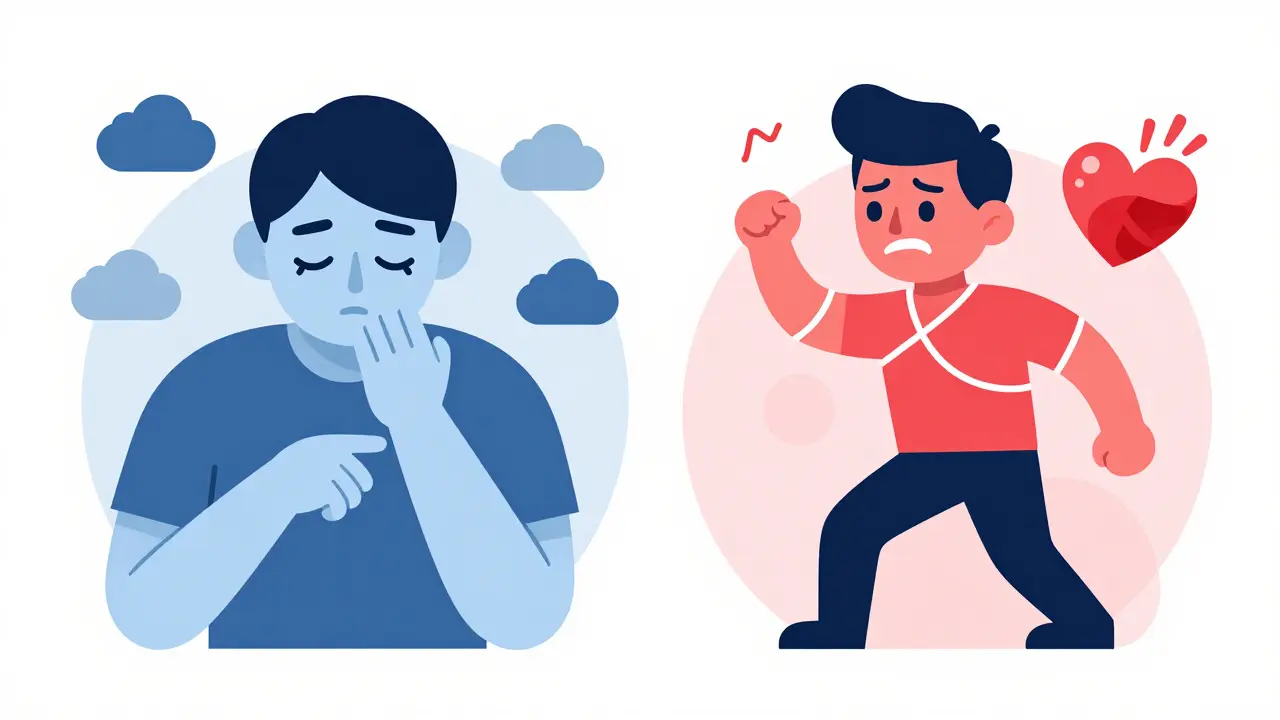
If antihistamines slow you down, decongestants speed you up-sometimes too much. Pseudoephedrine and phenylephrine stimulate your nervous system. This leads to insomnia (reported in 45% of users), anxiety, and restlessness. But the most serious risk is cardiovascular.
Dr. James Li, an allergist at the Mayo Clinic, notes that decongestants can raise blood pressure by 5-10 mmHg. For healthy people, this might be negligible. But for the estimated 116 million American adults with hypertension, that spike can be dangerous. It pushes your heart to work harder against higher resistance.
You should avoid decongestants entirely if you have:
- High blood pressure
- Heart disease
- An overactive thyroid gland
- Liver or kidney problems
Even short-term use carries a trap known as rhinitis medicamentosa. If you use nasal spray decongestants like oxymetazoline (Afrin) for more than three days, your nose becomes dependent on them. When you stop, the swelling comes back worse than before. The Mayo Clinic warns that there is a 50% risk of this rebound congestion occurring if you exceed the recommended limit.
The Trap of Combination Products
Pharmacies sell dozens of "all-in-one" cold and flu remedies. They seem convenient, but they are a major source of accidental overdose. About 68% of these combination products contain multiple active ingredients. The biggest danger? Acetaminophen.
Many people take a multi-symptom cold pill and then take Tylenol for a headache, not realizing the cold pill already contained acetaminophen. Exceeding 4,000 mg of acetaminophen in 24 hours can cause severe liver toxicity. The FDA has issued strict warnings about this, yet emergency rooms see cases regularly.
Furthermore, mixing antihistamines with other sedatives amplifies the danger. Combining diphenhydramine with alcohol or benzodiazepines increases the risk of falls and respiratory depression. Dr. Lewis Nelson from Rutgers University emphasizes that OTC medicines have the same potential for dangerous interactions as prescription drugs.
Critical Drug Interactions to Watch
Your medicine cabinet might hold surprises. Certain prescriptions interact badly with allergy meds.
| Medication Class | Interaction Risk | Potential Outcome |
|---|---|---|
| MAOIs (Antidepressants) | With Decongestants | Hypertensive crisis (blood pressure >180 mmHg) |
| SSRIs (Antidepressants) | With Decongestants | Dangerous rise in blood pressure and anxiety |
| CNS Depressants (Alcohol, Benzos) | With Antihistamines | Extreme drowsiness, increased fall risk |
| Energy Drinks (Caffeine) | With Decongestants | Worsened heart palpitations and jitters |
The NHS specifically warns that taking decongestants alongside some antidepressants can cause a dangerous rise in blood pressure. If you are on MAOIs, you must never take oral decongestants without explicit doctor approval, as the combination can lead to a life-threatening hypertensive crisis.

Safety Guidelines for Specific Groups
Not everyone can safely use these over-the-counter staples. Here is what you need to know based on your demographic.
Children
The FDA maintains a strict stance: children under 2 years old should not receive any cough or cold product containing a decongestant or antihistamine. Between 1969 and 2006, there were 123 reported cases of convulsions, rapid heart rates, and death linked to these products in young children. Even for older kids, dosing errors are common. Always consult a pediatrician before giving OTC meds to a child.
Pregnant Women
The American College of Obstetricians and Gynecologists recommends avoiding decongestants during the first trimester due to potential risks to fetal development. If antihistamines are necessary, second-generation options like loratadine are generally preferred under medical supervision.
Older Adults
As mentioned, the Beers Criteria flags first-generation antihistamines as high-risk for seniors due to confusion and fall risks. Older adults should opt for non-drowsy alternatives and discuss all OTC uses with their pharmacist.
How to Use Allergy Meds Safely
You don’t need to stop using these medications, but you do need to use them smarter. Follow these practical steps to minimize risk.
- Read the Active Ingredients: Never assume a brand name tells the whole story. Check the label for acetaminophen, pseudoephedrine, or diphenhydramine to avoid doubling up.
- Stick to the Time Limit: Do not use nasal decongestant sprays for more than 3 consecutive days. If you need longer relief, switch to an intranasal corticosteroid, which is safer for chronic use.
- Consult Your Pharmacist: The American Pharmacists Association found that 78% of OTC medication problems could be prevented with a quick chat with a pharmacist. Tell them everything you take, including supplements.
- Monitor Your Blood Pressure: If you have hypertension, check your BP before and after starting a decongestant. If it spikes, stop immediately.
- Know When to Stop: If your symptoms last more than 10-14 days, see a doctor. Prolonged self-medication masks underlying issues like sinus infections or allergies that need different treatment.
The goal is relief without regret. By understanding the mechanics and limits of antihistamines and decongestants, you protect yourself from hidden dangers. Remember, "over-the-counter" does not mean "risk-free." Treat these powerful chemicals with the respect they deserve.
Can antihistamines cause weight gain?
Some antihistamines, particularly first-generation ones like cyproheptadine, can increase appetite and lead to weight gain. Second-generation antihistamines like loratadine or fexofenadine are less likely to cause this side effect, though individual responses vary.
Is it safe to drink alcohol with allergy medication?
It depends on the type. Mixing alcohol with first-generation antihistamines (like Benadryl) significantly increases drowsiness and impairment, similar to driving drunk. With second-generation antihistamines, moderate alcohol consumption is usually safe, but always check with your doctor if you have liver concerns.
What is the best alternative to decongestants for high blood pressure?
Intranasal corticosteroids (like fluticasone) are often recommended as they reduce inflammation without affecting blood pressure. Saline nasal rinses are another safe, drug-free option to clear congestion mechanically.
Why was phenylephrine restricted in some countries?
Studies showed that oral phenylephrine is largely ineffective at relieving congestion when taken by mouth because the body breaks it down too quickly. Due to lack of efficacy and potential side effects, agencies like the European Medicines Agency have moved it to prescription-only status or removed it from OTC shelves.
How long does it take for rebound congestion to go away?
Rebound congestion (rhinitis medicamentosa) typically resolves within 1-2 weeks after stopping the offending nasal spray. Using steroid nasal sprays during this transition can help manage symptoms while your nose heals its natural function.