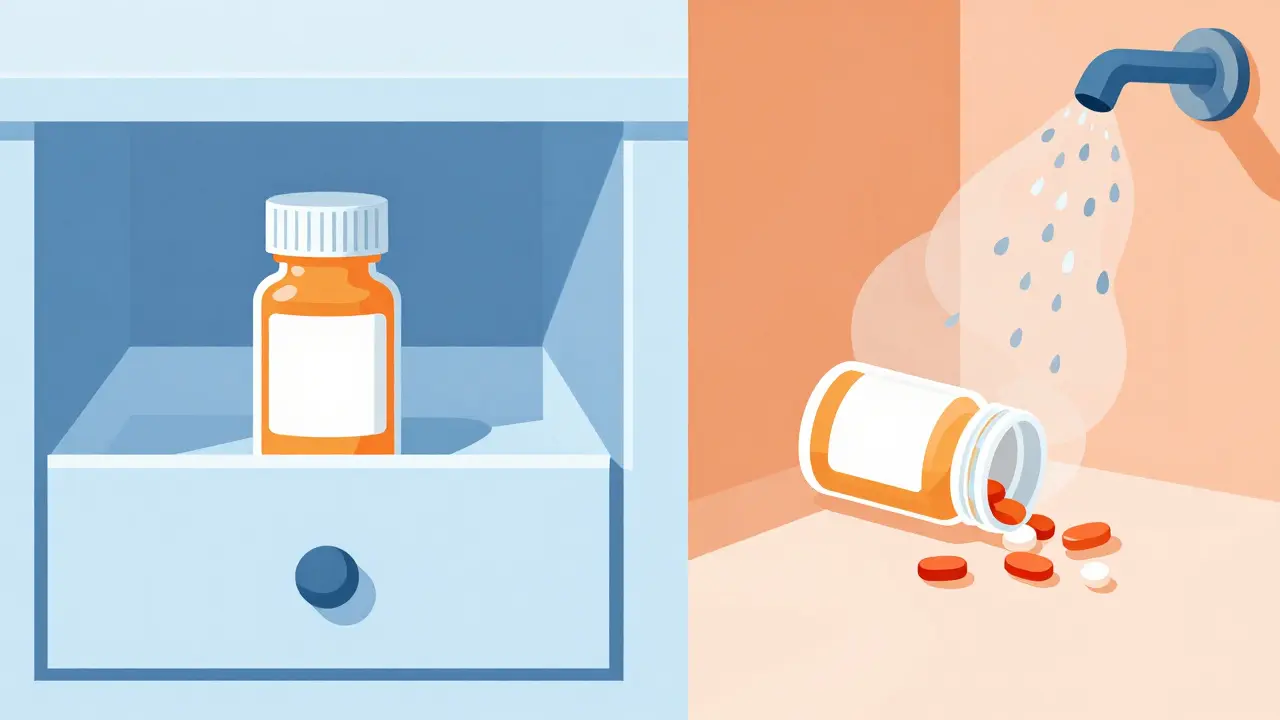
Did you know that leaving your insulin in a hot car for just an hour can render it useless? Or that storing antibiotics in the bathroom cabinet might actually be destroying them before you even take the first dose? We often treat medication labels like boring fine print, but those few lines about storage are literally the difference between a cure and a waste of money-or worse, a health risk. Understanding how to read storage instructions isn't just about following rules; it’s about keeping your medicine safe and effective.
The Quick Takeaways
- Most medicines should be stored at controlled room temperature (68°F to 77°F) in a dry place away from light.
- Never store medications in the bathroom or kitchen due to humidity and heat fluctuations.
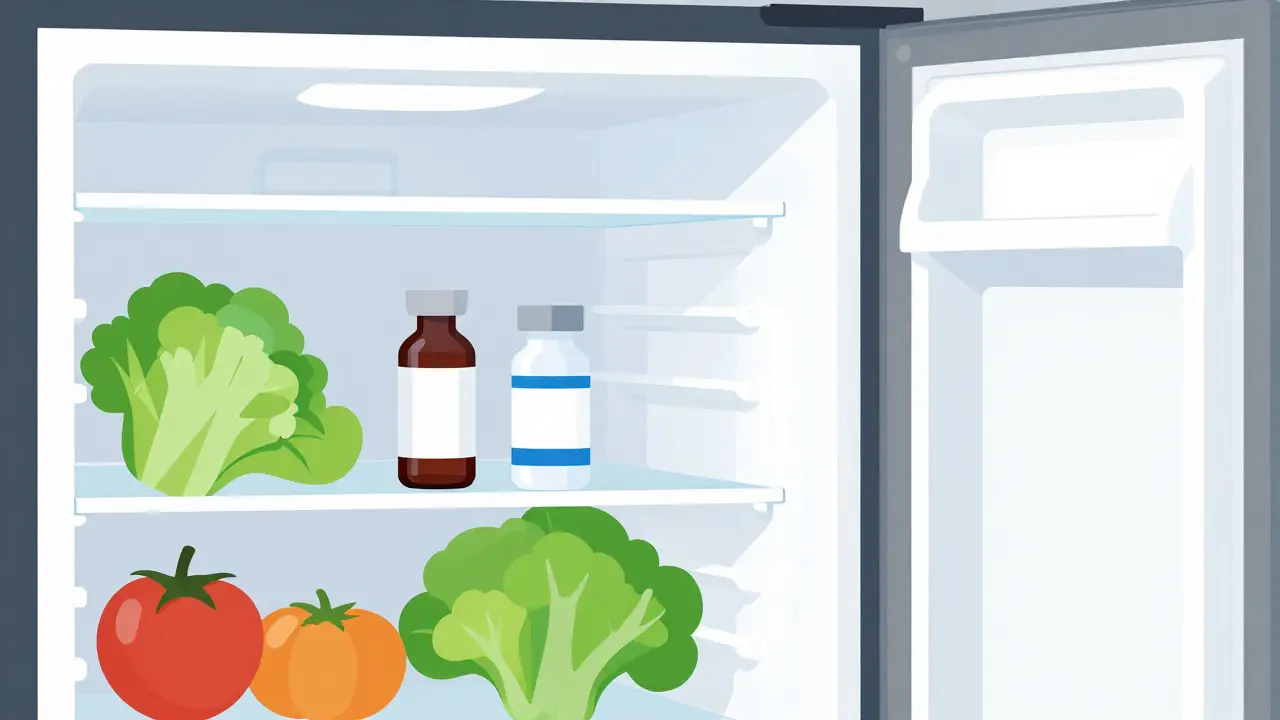
- Refrigerated drugs must go in the main body of the fridge, not the door, to avoid temperature swings.
- Liquid antibiotics often expire within 10-14 days after mixing, regardless of the original expiration date.
- If you’re unsure, ask your pharmacist-they can suggest alternative formulations if your home environment is tricky.
Where to Find Storage Info on the Label
First things first: where do you even look? The location depends heavily on whether you bought the drug over-the-counter (OTC) or got it via prescription. For OTC meds, the U.S. Food and Drug Administration (FDA) mandates a standardized "Drug Facts" label. You’ll find storage details under the section labeled "Other information." This usually sits right after warnings and directions. It will tell you plainly if the drug needs to be kept cool, protected from light, or simply stored in a dry place.
For prescription medications, the layout varies slightly by manufacturer, but the FDA requires specific sections. Look for "Storage and Handling" or "How Supplied." According to FDA labeling resources from August 2023, this section explicitly lists special conditions like "store in refrigerator" or "protect from freezing." If you’re looking at a bottle from Express Scripts Pharmacy or similar services, they often highlight these requirements in bold text near the dosage instructions to ensure you don’t miss them.
| Label Term | What It Means | Where to Store It |
|---|---|---|
| Controlled Room Temperature | Between 68°F and 77°F (20°C-25°C) | Cool, dry closet or bedroom drawer |
| Refrigerate | Between 36°F and 46°F (2°C-8°C) | Main compartment of the fridge |
| Protect from Light | Sensitive to UV/visible light | Original opaque container; keep closed |
| Avoid Freezing | Ice crystals damage the formula | Fridge shelf, never the freezer section |
Why Storage Matters More Than You Think
You might think, "It’s just a pill; how bad could it get?" But chemistry doesn’t care about your intentions. Improper storage leads to three major problems: reduced effectiveness, increased toxicity, or physical changes. Northwest Family Clinics warns that improper storage may decrease potency or create harmful byproducts. For example, acetaminophen-containing products can degrade into toxic compounds if exposed to high heat and humidity over time.
Consider liquid antibiotics. These are often reconstituted (mixed with water) by the pharmacist. Once mixed, they typically expire within 10 to 14 days when refrigerated. If you leave that bottle on the counter, the bacteria-killing power drops significantly, meaning your infection won’t clear up, and you might develop resistance. Similarly, insulin denatures at high temperatures. If your insulin gets too warm, it stops working properly, leading to dangerous blood sugar spikes. Nitroglycerin tablets also degrade quickly when exposed to heat or moisture, potentially failing during a critical moment.
The stakes are real. The FDA reports that storage-related issues contributed to 1.2% of all medication errors reported to their MedWatch program between 2020 and 2022. That number likely underrepresents the true scale since most people don’t report taking ineffective meds-they just assume the drug didn’t work and move on.
The Bathroom Cabinet Myth
Let’s address the elephant in the room: the bathroom medicine cabinet. It’s convenient, sure. But it’s arguably the worst place to store most medications. Why? Humidity. Every time you shower, the steam fills the air. Over time, this moisture seeps into bottles, causing pills to crumble, coatings to break down, and liquids to spoil faster.
An Express Scripts survey of 2,500 users found that 42% admitted to storing medications in bathrooms. Another 27% left them in vehicles for extended periods. Both habits are risky. The Cleveland Clinic specifically warns against glove compartments or car trunks. On a 90°F day, the inside of a car can exceed 140°F within 30 minutes. That’s enough to melt wax coatings, separate oil-based ingredients, and ruin sensitive biologics.
Instead, aim for a cool, dry place. A bedroom closet, a nightstand drawer, or a dedicated kitchen cupboard away from the stove and sink works best. Blue Cross NC recommends using a dedicated home medication cabinet with temperature monitoring if you have many complex drugs. For most people, a simple dark, dry drawer is sufficient.
Refrigeration Rules: Do It Right
If your label says "refrigerate," don’t just toss it in anywhere. The door of your refrigerator is the warmest part because it opens frequently. Temperature fluctuations there can compromise stability. Instead, place temperature-sensitive meds on a middle shelf in the main body of the fridge. This area stays consistently cold.
Also, watch out for freezing. Some labels say "refrigerate" but add "do not freeze." Ice crystals can rupture cell walls in biologicals or change the viscosity of suspensions. If your med freezes accidentally, check with your pharmacist before using it. In some cases, it’s safe to thaw; in others, it must be discarded.
For travel, use insulated containers with cooling packs. The FDA advises this especially when crossing climate zones. Never put ice directly against the medication bottle-condensation can introduce moisture. Wrap the pack in a towel or use a specialized medical cooler bag.
Special Cases: Liquids, Pediatrics, and Seniors
Liquid medications often have different stability profiles than solids. Many require refrigeration only after opening. Unopened versions might last 2-3 years at room temperature. Always check the "discard after" date printed by the pharmacist on the vial. This is crucial for pediatric meds. Children’s formulations sometimes contain preservatives that break down faster. The American Academy of Pediatrics recommends verifying storage requirements for each child’s medication separately.
Seniors living in homes without consistent climate control face unique challenges. Medicare’s 2023 guide advises requesting alternative formulations from pharmacists if standard storage isn’t feasible. For instance, if you can’t keep a drug refrigerated, ask if a patch, injection, or more stable tablet version exists. Pharmacists are problem-solvers, not just dispensers.
Pro Tips for Better Compliance
Here are some practical steps to ensure you’re always storing meds correctly:
- Use Original Containers: They’re designed to protect against light and moisture. Transferring pills to weekly organizers is fine for daily doses, but keep the master supply in the original box.
- Check Desiccants: Those little silica gel packets? Don’t throw them away! They absorb excess moisture. Keep them in the bottle cap or nearby.
- Monitor Humidity: If you live in a humid climate, consider a dehumidifier in your storage room. High humidity accelerates degradation.
- Ask Questions: Dr. Sarah Thompson, PharmD at Nationwide Children’s Hospital, says if you’re ever unsure, ask your pharmacist. They can tailor advice to your home environment.
- Organize Zones: If you have multiple meds with conflicting needs (some fridge, some room temp), create separate storage zones. Use labeled bins to avoid confusion.
The FDA notes that medication adherence improves by 18.7% when patients properly store medications according to label instructions. Proper storage isn’t just about safety-it’s about making sure your treatment actually works.
Future Tech: Smart Packaging
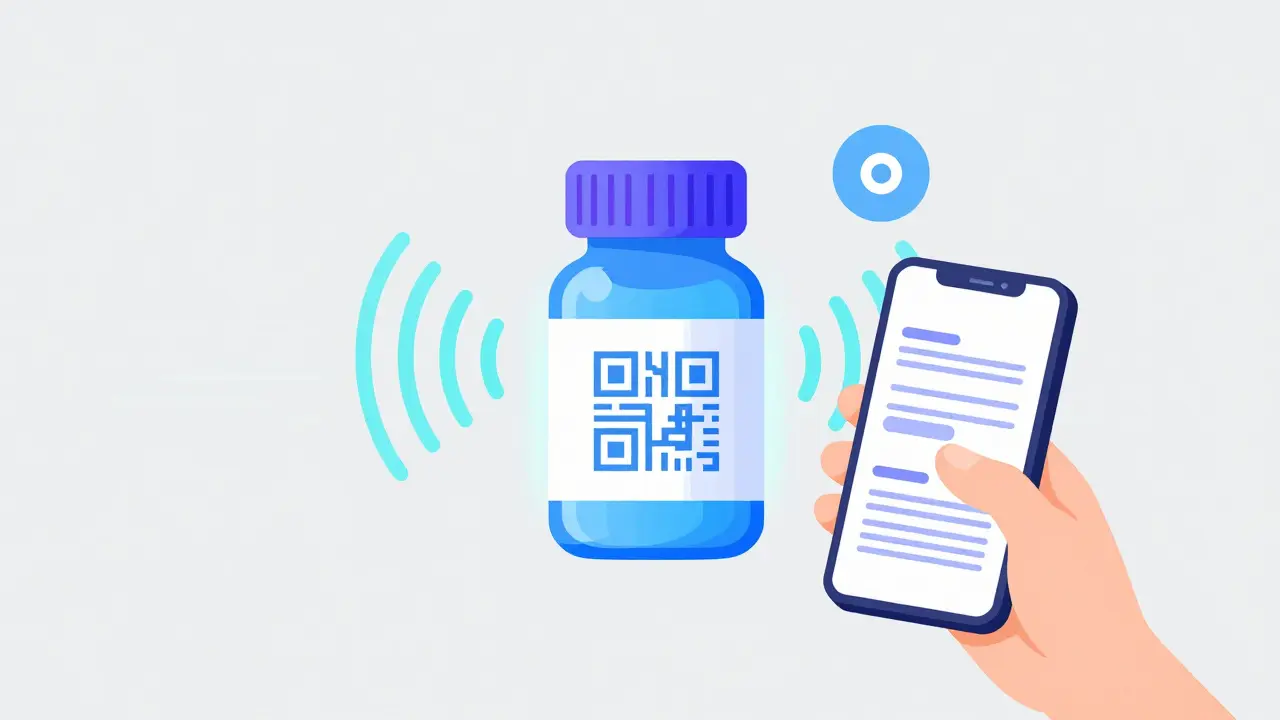
We’re moving toward smarter solutions. The FDA predicts that smart packaging with embedded temperature sensors will become standard for high-risk medications within five years. Pilot programs by CVS and Walgreens are testing QR codes that link to dynamic storage info based on your location and season. Imagine scanning your pill bottle and getting a alert: "It’s 95°F outside today-keep this in the fridge until evening." This tech could eliminate guesswork entirely.
Can I store my medication in the bathroom?
No, the bathroom is generally the worst place to store medication due to high humidity and temperature fluctuations from showers. Moisture can degrade pills and liquids. Store meds in a cool, dry bedroom closet or drawer instead.
What does "controlled room temperature" mean?
Controlled room temperature refers to a range of 68°F to 77°F (20°C to 25°C). This is typical indoor ambient temperature. Avoid areas near heaters, windows, or appliances that generate heat.
Should I put refrigerated medicine in the fridge door?
No. The fridge door experiences the most temperature variation because it opens frequently. Place temperature-sensitive medications on a middle shelf in the main body of the refrigerator for consistent cooling.
How long do mixed liquid antibiotics last?
Reconstituted oral antibiotics typically expire within 10 to 14 days when refrigerated. Always follow the "discard after" date written by your pharmacist, as it overrides the printed expiration date on the unopened package.
What happens if my medication gets too hot?
Heat can cause medications to lose potency, change form (e.g., melting or cracking), or produce harmful byproducts. Insulin and nitroglycerin are particularly sensitive. If exposed to extreme heat, consult your pharmacist before use.
Can I transfer pills to a weekly organizer?
Yes, for daily doses, transferring to a weekly pillbox is acceptable. However, keep the remaining supply in its original container to protect against light and moisture. Ensure the organizer is clean and dry.
Is it safe to freeze medication unless told otherwise?
No. Freezing can damage the chemical structure of many drugs, especially liquids and biologics. Only freeze medication if the label explicitly instructs you to do so. Most "refrigerate" labels include "do not freeze" warnings.
What should I do if I’m traveling with temperature-sensitive meds?
Use an insulated cooler bag with cooling packs. Avoid placing ice directly against the bottle to prevent condensation. Keep the bag out of direct sunlight and carry it with you rather than checking it as luggage.