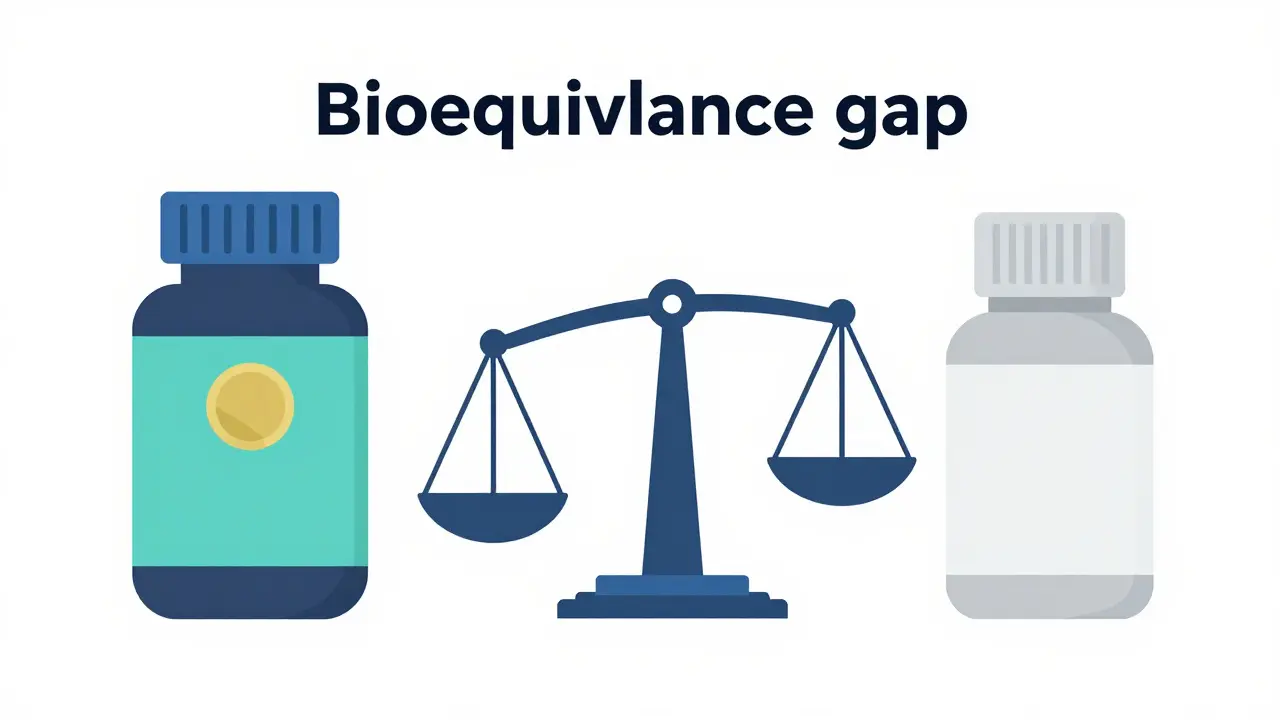
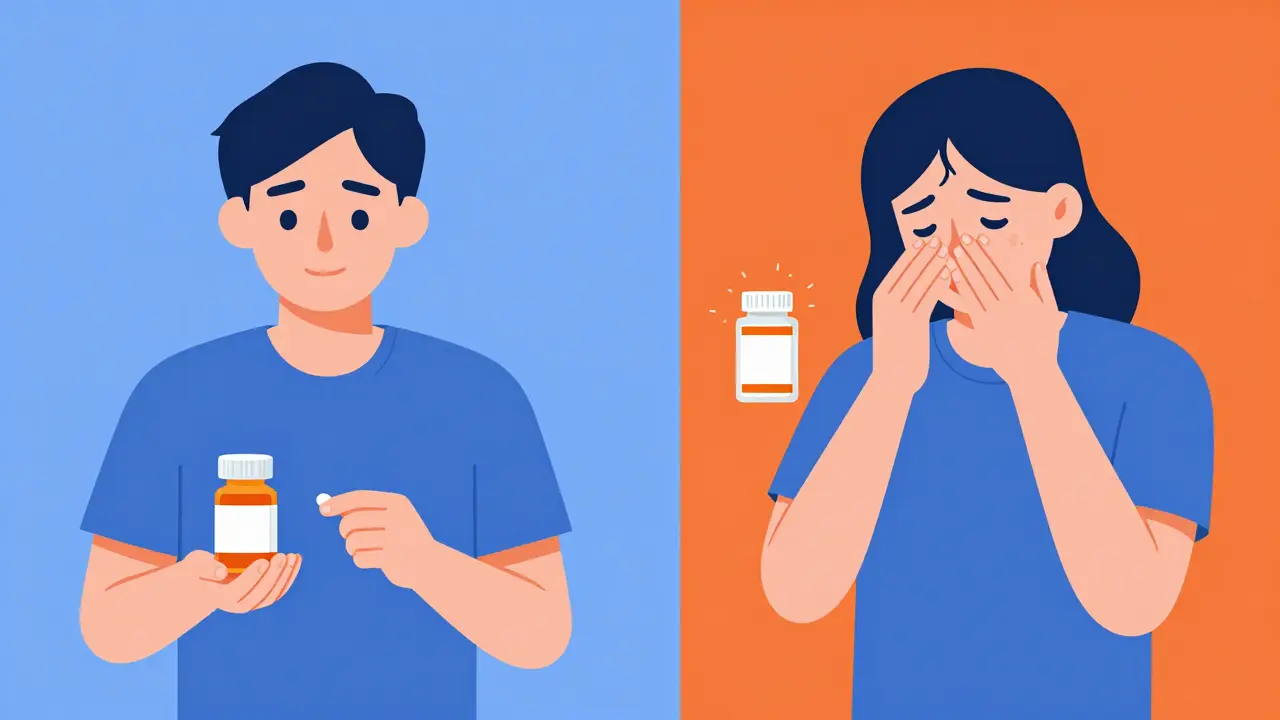
Imagine switching your monthly medication to a cheaper generic version, only to find that your symptoms return or, worse, you develop sudden, toxic side effects. For most of us, the generic pill is just a cost-saving measure that does the exact same thing as the brand name. But for some, this switch triggers a therapeutic failure is a situation where a prescribed medication fails to produce the expected clinical response. It's a scary realization that "equivalent" doesn't always mean "identical," and in the world of high-stakes medicine, a small percentage difference can be the difference between stability and a hospital visit.
The "Bioequivalence" Gap: Why 80% Isn't Always Enough
When a company wants to sell a generic version of a drug, they don't have to repeat the massive clinical trials the original creator did. Instead, they prove Bioequivalence, which basically means the drug gets into the bloodstream at a similar rate and extent as the brand name. However, the FDA allows a confidence interval of 80-125% for the area under the curve (AUC) and maximum concentration (Cmax). In plain English? A generic could technically provide 20% less of the active ingredient or 25% more than the original.
For a headache pill, a 20% difference is negligible. But for drugs with a Narrow Therapeutic Index (NTI), it's a gamble. NTI drugs are medications where the window between a dose that works and a dose that is toxic is incredibly small. Think of Warfarin for blood clotting or Digoxin for heart failure. If your dose fluctuates by 20% because of a generic switch, you could end up with life-threatening clots or dangerous bleeding.
| Feature | Standard Generics | NTI Generics |
|---|---|---|
| Acceptance Criteria | 80-125% Bioequivalence | 90-111% (Stricter) |
| Risk of Variance | Low impact on most patients | High risk of toxicity or failure |
| Examples | Statins, most antibiotics | Warfarin, Phenytoin, Digoxin |
When the "Recipe" Goes Wrong
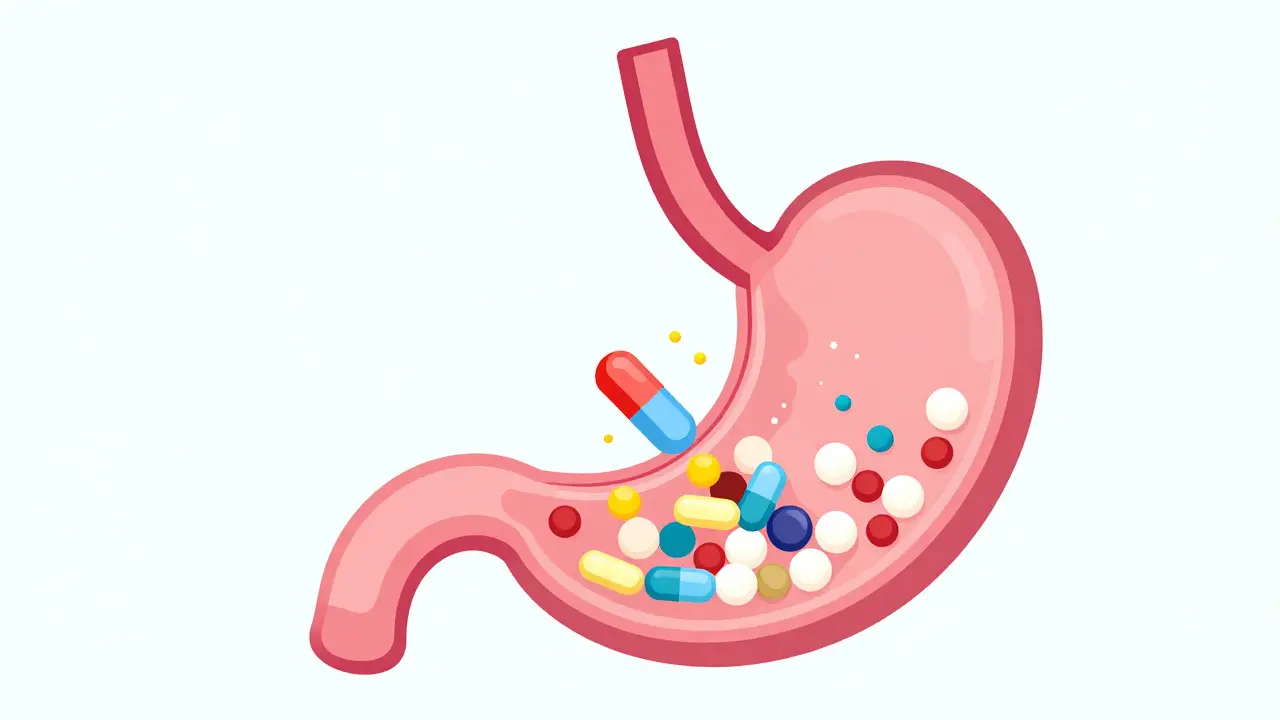
It isn't just about the Active Pharmaceutical Ingredient (API). The other stuff in the pill-the fillers, binders, and coatings-matters too. These inactive ingredients can change how a drug dissolves in your stomach. For example, the FDA had to withdraw approval for Budeprion XL (a generic for Wellbutrin) because changes in the inactive ingredients significantly altered how the drug performed in the body.
Manufacturing inconsistencies are a major culprit. Data shows that about 31% of deficiencies in generic applications are linked to manufacturing issues. This can manifest as stability problems where the drug breaks down too quickly due to humidity (hydrolysis) or light (photolysis). In some extreme cases, investigators from the Therapeutic Investigations Bureau of Journalism found that some generic chemotherapy drugs contained so little active ingredient that taking them was essentially like taking a sugar pill, while others were overdosed, risking severe organ damage.
Real-World Consequences of Generic Switches
The human cost of these failures is often seen in chronic disease management. Consider patients with Multiple Sclerosis. Research by Dr. Okuda highlighted a stark contrast: patients who stayed stable were taking generics with 97.4% to 103.3% of the required dose. Those who suffered relapses were using generics that contained only 72.5% to 91.2% of the medicine. That gap represents the difference between a functioning life and a debilitating relapse.
Other failures happen when drugs dissolve too quickly. Imagine a heart transplant patient using generic tacrolimus. If the drug "dumps" into the system too fast instead of releasing slowly, the dose might not last throughout the day, potentially leading to organ rejection. We've seen similar issues with extended-release versions of Concerta, where the dissolution rate didn't match the branded original, leaving ADHD patients under-treated or over-stimulated.
Spotting the Red Flags: Patient and Provider Tips
How do you know if your generic is failing you? It's tricky because symptoms of therapeutic failure look exactly like your disease getting worse. If you've been stable on a medication for years and suddenly experience a flare-up after a pharmacy switch, don't just assume the disease is progressing. Ask yourself: did the manufacturer change?
Healthcare providers should perform a careful medication reconciliation whenever a patient switches brands. If a patient on an anticoagulant like warfarin suddenly has fluctuating INR levels, the generic substitution should be the first suspect. In these cases, switching back to the brand-name product or a specific, trusted generic manufacturer may be the only way to regain stability.

The Systemic Issue: Supply Chains and Middlemen
Why does this happen? The global generic market is worth roughly $400 billion, but it's plagued by a lack of transparency. Many drugs are made in facilities with less stringent oversight. Furthermore, Pharmacy Benefit Managers (PBMs) and other middlemen often push certain generics based on profit margins rather than clinical consistency.
This lack of transparency means we often only find out about problems after a major recall. We saw this with the Valsartan and Losartan recalls, where nitrosamine contaminants-potential carcinogens-were discovered in blood pressure medications. The terrifying part, as one former FDA officer noted, is that we only catch the ones that make it to the news; we don't know how many inconsistent batches are still in circulation.
Are all generic drugs dangerous?
Absolutely not. The vast majority of generics work perfectly and provide the same clinical outcome as brand-name drugs. Therapeutic failure is a rare occurrence, but it's a critical risk for specific types of medications, particularly those with a Narrow Therapeutic Index.
How can I tell if my medication is a generic?
Check the packaging. The brand name is usually the most prominent, but if you see a different company name or a label that says "Substitute" or "Generic," it's a generic version. You can also ask your pharmacist for the manufacturer's name.
What should I do if I suspect my generic drug isn't working?
Do not stop taking your medication. Immediately contact your doctor and pharmacist. Tell them exactly when you switched generics and describe the change in your symptoms. Your doctor may decide to switch you back to the brand-name drug or a different generic manufacturer.
What is a Narrow Therapeutic Index (NTI) drug?
An NTI drug is one where a very small increase or decrease in the dose can lead to either a lack of efficacy or severe toxicity. Examples include warfarin, digoxin, and certain anti-epileptics like phenytoin.
Can inactive ingredients really affect how a drug works?
Yes. Fillers and binders (excipients) affect the "dissolution rate," which is how fast the pill breaks down in your stomach. If a drug dissolves too quickly or too slowly, the amount of medicine entering your bloodstream changes, which can lead to therapeutic failure.
Next Steps for Safety Monitoring
- For Patients: Keep a log of the manufacturer of your medications. If your pharmacy changes the brand of your generic, note the date and monitor your symptoms closely for two weeks.
- For Caregivers: If a loved one with a chronic condition suddenly seems "unstable" despite no change in their health habits, check if their medication packaging has changed.
- For Providers: When treating patients on NTI drugs, consider specifying "Dispense as Written" (DAW) or "Brand Med Only" on the prescription to prevent automatic generic substitution.
The pharmacokinetic variability in NTI drugs is a massive concern. When we talk about the AUC and Cmax deviations, we're essentially discussing the bioavailability threshold that can precipitate a clinical failure. Most people don't realize that the excipient profile-the non-active binders-can drastically alter the disintegration and dissolution rate, which fundamentally changes the plasma concentration curve. It is imperative that clinicians prioritize therapeutic drug monitoring (TDM) when a patient transitions between generic manufacturers to mitigate these risks.
Typical fear-mongering post. Most of this is just noise and the FDA knows exactly what they're doing with those ranges.
Actually, the bioequivalence standards are a joke 🙄. It's purely a race to the bottom where the cheapest factory wins regardless of the patient outcome. If you think the 'industry standard' is designed for your safety, you're delusional 🤡. The system is rigged for profit, period. 💊💸
This is really helpful info. It's good to know that while generics are mostly great, there are a few specific ones we need to be more careful with. Just stay proactive and keep a log like the post suggests!
Of course the PBMs are pushing these. They don't want you knowing that some of these generic 'chemo' drugs are basically sugar pills. It's a coordinated effort to skim money off the sick while the FDA looks the other way. I bet there are way more contaminants than the ones that 'accidentally' leak into the news. They're experimenting on us to see how much they can cut the active ingredient before we all start dropping dead.
Wow, this is absolutely eye-opening!! 😱 I had no idea that a 20% difference could be so dangerous for some people. It's like walking a tightrope with no safety net! 🎢 We really need to be our own advocates and push our doctors for those 'Dispense as Written' labels for the high-risk stuff. Stay strong and stay safe everyone! 💪✨
not that big a deal
It's just so wild how we trust these tiny little pills to balance our whole inner cosmic vibe without even knowing who mixed the batter. Like, imagine the alchemy going on in some factory across the ocean and it just... doesn't click with your soul's chemistry. Such a trip that a tiny bit of filler can throw your whole existence into a spin. We're all just floating in a sea of chemical probabilites, honestly. Just gotta keep the energy high and the vibes right while we navygate this weird medycine maze!
I find it absolutely preposterous that people are just now realizing the inherent flaw in the generic system, especially since I've been saying for years that the 'standard' of care is merely a suggestion when corporate greed enters the equation. It's honestly exhausting how many patients just blindly trust the pharmacist without questioning the manufacturer, as if the pharmacy is some sacred temple of health rather than a retail business designed to maximize the throughput of cheap substitutes that might or might not actually stabilize your neurological functions depending on which batch of binders was used that Tuesday.
From a systemic perspective, the issue is the lack of pharmacovigilance at the point of substitution. While I agree that NTI drugs require a more stringent approach, we must balance this with the necessity of affordable access to medicine. The goal should be an integrated tracking system where the patient's clinical response is linked to the specific lot number of the generic, allowing for a more granular analysis of therapeutic failure without demonizing the entire generic framework, which remains a cornerstone of global healthcare equity.