Drug Side Effect Risk Assessment Tool
Personalized Side Effect Risk Assessment
This tool estimates your personal risk of experiencing drug side effects based on key factors discussed in the article. Your information will not be stored or shared.
When you take a pill for high blood pressure, an antibiotic for a sinus infection, or even a daily vitamin, you’re not just getting the benefit you want. You’re also exposing your body to a range of possible drug side effects - unintended, sometimes unexpected reactions that come along with the treatment. These aren’t mistakes. They’re part of how drugs work. Every medication interacts with your body in multiple ways, and not all of those interactions are helpful.
What Exactly Are Drug Side Effects?
Drug side effects are any effects from a medication that aren’t the main reason you’re taking it. The U.S. Food and Drug Administration (FDA) defines them as "unwanted, undesirable effects that are possibly related to a drug." That’s it. Simple. But the reality is more complex.
Some side effects are mild - a dry mouth, drowsiness, or an upset stomach. Others can be serious, like liver damage, heart rhythm changes, or severe allergic reactions. And here’s the twist: some side effects can even be helpful. For example, finasteride, a drug meant to shrink an enlarged prostate, often causes hair growth as a side effect. Many men with prostate issues started taking it for that reason alone. Similarly, minoxidil was originally developed for high blood pressure, but its side effect of hair growth led to its use in treating baldness.
The key distinction is between side effects and adverse reactions. While many people use the terms interchangeably, experts clarify that side effects include both harmful and beneficial outcomes, while adverse reactions are strictly harmful. But in everyday language - and in most patient materials - they’re treated as the same thing.
Why Do Drug Side Effects Happen?
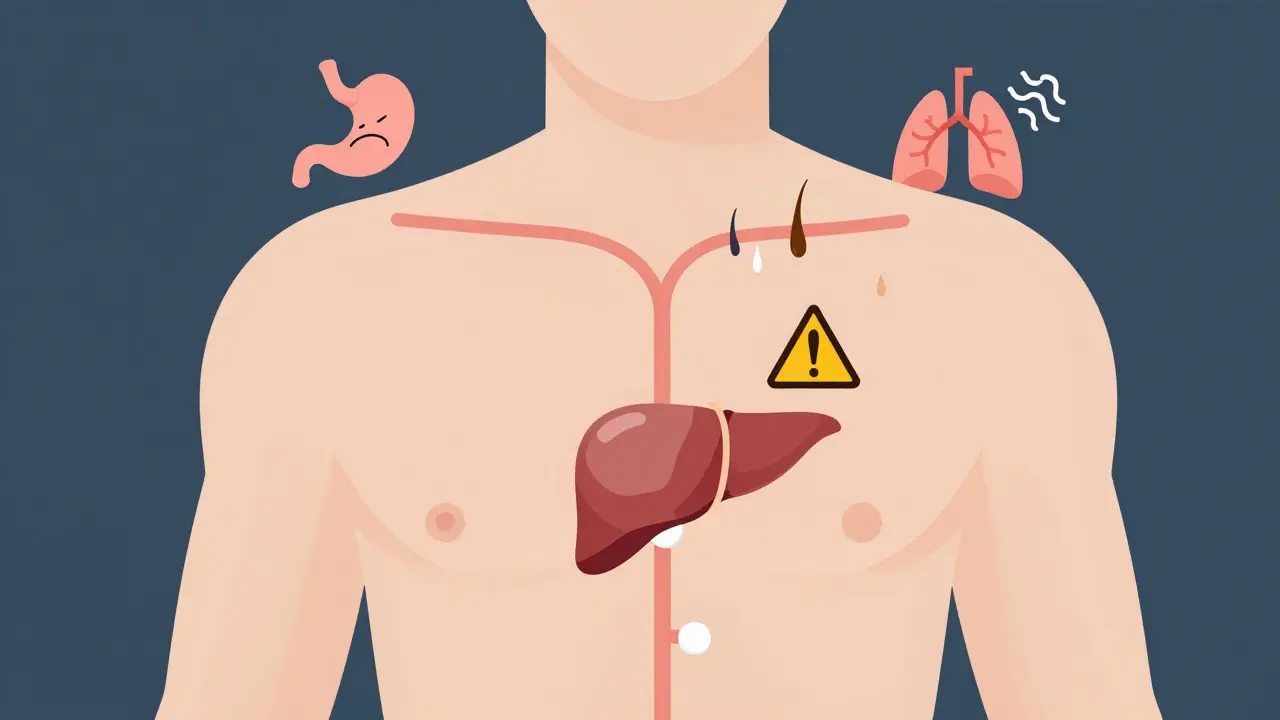
Drugs don’t target just one part of your body. They circulate through your bloodstream and interact with cells, receptors, and enzymes wherever they find a match. That’s how they work - but it’s also why they cause side effects.
Take beta-blockers, used for high blood pressure and heart conditions. They block adrenaline receptors in the heart to slow it down. But those same receptors exist in the lungs. So, a side effect can be wheezing or shortness of breath - especially in people with asthma. It’s not a flaw in the drug. It’s a biological consequence.
There are two main types of side effects, based on how predictable they are:
- Type A (Augmented): These are predictable, dose-dependent, and account for 85-90% of all side effects. Examples include nausea from antibiotics or dizziness from blood pressure meds. The higher the dose, the worse the effect.
- Type B (Bizarre): These are unpredictable, rare, and not related to dosage. They’re often immune-driven - like a severe rash or anaphylaxis. These make up only 10-15% of cases but are the ones that make headlines.
Side effects can also happen because of how your body processes the drug. Your liver breaks down most medications using enzymes called CYP450. But genetic differences mean some people have slow, fast, or even missing versions of these enzymes. For example, if you’re a poor metabolizer of clopidogrel (a blood thinner), the drug won’t work well - increasing your risk of a clot. On the flip side, if you metabolize it too quickly, you might get more bleeding than expected.
What Factors Increase Your Risk?
Not everyone gets side effects - and not all side effects affect people the same way. Your personal risk depends on several factors:
- Age: People over 65 are 3 to 5 times more likely to experience serious side effects. Their bodies process drugs slower, and they often take multiple medications.
- Polypharmacy: Taking five or more medications at once increases your risk of side effects by 88%. The more drugs you take, the more they can interact with each other.
- Underlying health conditions: If you have kidney disease, your body can’t clear drugs as efficiently. Studies show these patients experience side effects at 4.2 times the rate of healthy individuals.
- Genetics: Up to 95% of people have genetic variations that affect how they respond to drugs. Some people need half the dose of a medication. Others need double.
- Nocebo effect: Sometimes, you feel a side effect simply because you were told it might happen. In one study, 62% of patients who stopped statins due to muscle pain had the same symptoms when given a sugar pill - proving the mind can trigger physical reactions.
Common Examples Across Drug Classes
Here are real, documented side effects you’re likely to encounter - and how often they happen:
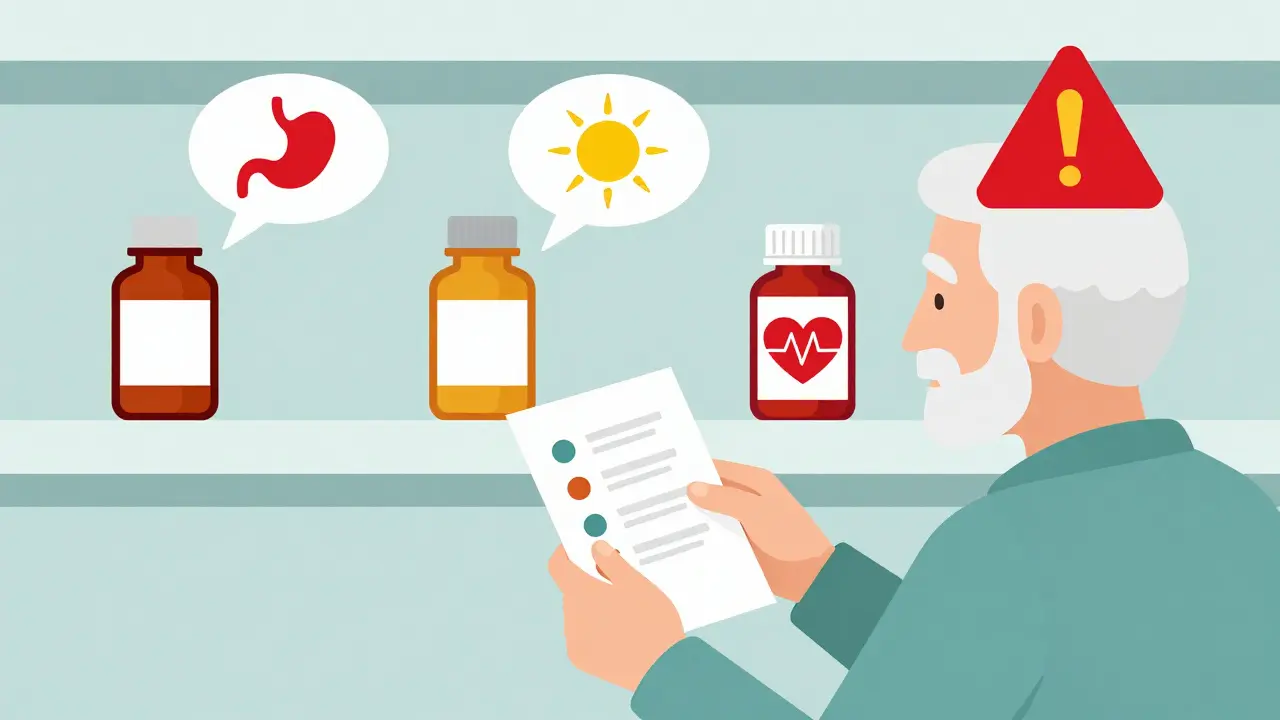
- NSAIDs (like ibuprofen or naproxen): Stomach irritation or ulcers occur in 15-30% of regular users. That’s why doctors often prescribe a stomach protector alongside them.
- Antibiotics (like amoxicillin or clindamycin): Diarrhea affects 5-30% of patients. In rare cases, it’s caused by C. diff, a dangerous infection that can lead to hospitalization.
- Doxycycline (an antibiotic): About 10% of users develop phototoxicity - a severe sunburn from minimal sun exposure.
- Chemotherapy drugs: Nausea and vomiting hit 30-90% of patients, depending on the drug. New anti-nausea medications have improved this, but it’s still common.
- Immune checkpoint inhibitors (cancer immunotherapy): Up to 85% of patients develop immune-related side effects - think rash, colitis, or thyroid problems - because the drug turns the immune system loose on the body.
- SGLT2 inhibitors (for type 2 diabetes): These drugs increase the risk of lower limb amputations by 77%, according to the CANVAS trial. That’s why the FDA added a boxed warning.
- mRNA COVID-19 vaccines: Myocarditis (heart inflammation) occurred in about 40.6 cases per million second doses in young men aged 12-29. While serious, it’s rare - and far less dangerous than the heart damage caused by COVID-19 itself.
How Are Side Effects Monitored and Managed?
Drug safety doesn’t end when a pill hits the market. The FDA runs the FAERS system - a database with over 22 million reports of side effects from doctors, patients, and drugmakers. Manufacturers are required to report serious, unexpected reactions within 15 days.
But here’s the problem: experts estimate only 1-10% of serious side effects are ever reported. That’s why newer systems like the FDA’s Sentinel Initiative use electronic health records from 200 million Americans to spot patterns faster - sometimes 18-24 months sooner than traditional reporting.
For patients, the best defense is awareness and communication:
- Read the Medication Guide that comes with your prescription. The FDA now requires these for 185 high-risk drugs, and they’re written in plain language.
- Keep a list of all your medications - including supplements and over-the-counter drugs.
- Report any new or unusual symptoms to your doctor - even if you think it’s unrelated.
- Use tools like the FDA’s MedWatcher app to log side effects in real time. Early data shows 23% of users caught drug interactions their doctor missed.
For older adults, the Beers Criteria® 2023 Update lists 30 medications that should be avoided or used with extreme caution due to high side effect risks - including certain antihistamines, sleep aids, and bladder control drugs.
What Should You Do If You Experience a Side Effect?
Don’t panic. But don’t ignore it either.
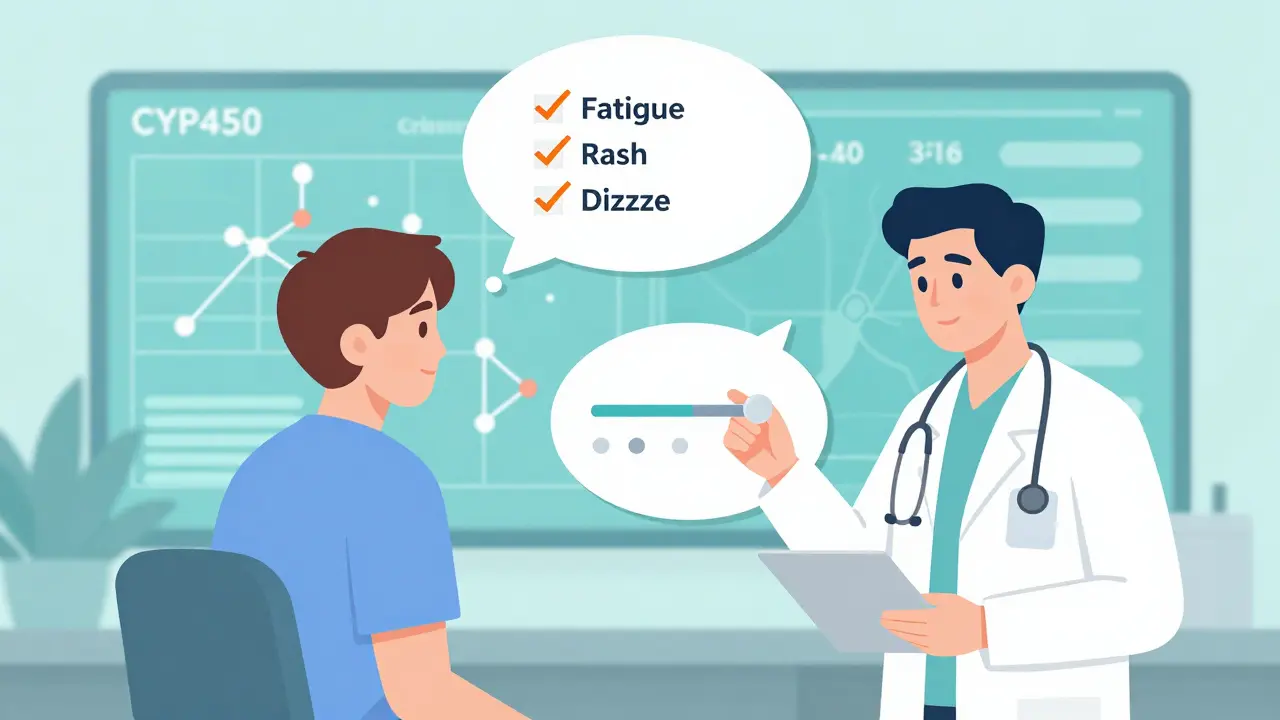
If you notice something new - fatigue, rash, dizziness, nausea, or even a change in mood - write it down. Note when it started, how bad it is, and whether it’s getting worse. Then call your doctor or pharmacist. Don’t stop the medication on your own unless it’s a life-threatening reaction like swelling, trouble breathing, or chest pain.
Often, side effects fade after a few days as your body adjusts. But if they persist or worsen, your doctor might:
- Lower your dose
- Switch you to a different drug
- Add another medication to counteract the side effect
- Order a genetic test to see if your body processes the drug differently
One study found that 31% of people stopped taking statins because of muscle pain. But when researchers rechallenged them with a placebo, 62% still felt pain - meaning the side effect wasn’t caused by the drug at all. That’s why professional guidance matters.
Side Effects Aren’t the Whole Story
Patients with chronic conditions say side effects are the #1 factor in choosing a treatment - even more than effectiveness or cost. That’s understandable. But it’s also why we need better communication.
Many people think every side effect listed in the pamphlet will happen to them. A 2023 Consumer Reports survey found 57% of respondents believed that. The truth? Most side effects are rare. A drug might list 20 possible side effects, but you’re likely to experience one or two - if any.
And sometimes, the trade-off is worth it. A woman on minoxidil for hair loss might grow unwanted facial hair. But if she gains back her confidence and scalp coverage, she’ll consider it a fair exchange. Medicine isn’t perfect. But it’s about balancing risk and reward.
Side effects are part of the price of treatment. But with better information, smarter prescribing, and smarter reporting, we’re getting better at managing them - and keeping patients safer than ever before.
Are side effects the same as allergic reactions?
No. Side effects are unintended but predictable responses to a drug’s chemistry. Allergic reactions are immune system responses - like hives, swelling, or anaphylaxis - and can happen even with the first dose. Allergies are rare but dangerous. Side effects are common and usually not life-threatening.
Can side effects show up months after starting a drug?
Yes. Some side effects take time to develop. For example, long-term use of proton pump inhibitors (like omeprazole) can lead to low magnesium or bone loss after months or years. Chemotherapy can cause nerve damage (neuropathy) that appears weeks after treatment ends. Always tell your doctor about new symptoms, no matter how long you’ve been on the drug.
Do all medications have side effects?
Yes. Every drug that changes how your body works will have some unintended effects. Even aspirin - one of the oldest and safest drugs - can cause stomach bleeding or ringing in the ears at high doses. The goal isn’t to eliminate side effects entirely - it’s to make sure the benefits clearly outweigh the risks.
Why are some side effects listed as "rare" but still shown on the label?
Regulators require any side effect with even a "reasonable possibility" of being caused by the drug to be listed - even if it happens in fewer than 1 in 10,000 people. This is for safety transparency. Just because it’s rare doesn’t mean it can’t happen to you. That’s why you should know what to watch for.
Can I avoid side effects by taking a lower dose?
Sometimes. For Type A side effects - those tied to dose - lowering the dose can reduce symptoms. But for Type B reactions - like allergies or rare immune responses - dose doesn’t matter. Always consult your doctor before changing your dose. Stopping or reducing a drug without guidance can be dangerous.
Are natural supplements safer than prescription drugs?
No. Supplements aren’t tested the same way as prescription drugs. Many cause side effects - green tea extract can damage the liver, St. John’s Wort interferes with antidepressants and birth control, and high-dose vitamin E increases bleeding risk. Just because something is "natural" doesn’t mean it’s safe.
So many people freak out about side effects without realizing how much better modern meds are than the old stuff. I had a friend on chemo who got nausea so bad she couldn’t eat - but now there are pills that stop that 90% of the time. It’s not perfect, but we’re getting there.
And honestly? The fact that we even have a system to track this stuff - FAERS, Sentinel, all of it - is kind of amazing. Most countries don’t even try.
Side effects aren’t a bug. They’re a feature of biology. We just need to learn how to dance with them.
Also, yes, natural supplements can kill you. I know someone who went to the ER because she thought ‘green tea extract’ meant ‘safe energy boost.’ Nope. It’s a liver bomb.
Just read the guide. Talk to your pharmacist. Don’t Google it at 2am.
And for the love of god, don’t stop statins because your leg feels ‘weird.’ It’s probably the nocebo effect. I’ve been there.
Everyone’s acting like side effects are some new scary thing. Back in the 80s, we took pills that made us hallucinate and lost hair and no one blinked. Now we act like every little tingle means Big Pharma is poisoning us.
And don’t get me started on ‘natural’ supplements. You think your herbal tea isn’t a drug? It’s unregulated poison with a cute label.
Also, the FDA? They’re not your friend. They’re just the least corrupt option we’ve got. Stop romanticizing regulation.
My cousin took minoxidil and grew a beard. He didn’t complain. He just bought a trimmer. That’s how you handle side effects - with pragmatism, not panic.
My uncle took blood pressure medicine for 12 years and never had a problem until he started taking turmeric capsules because his neighbor said it ‘cleanses the liver’
Turns out turmeric interferes with his meds and his potassium went crazy
He ended up in hospital with a fluttering heart
I told him you can’t trust internet advice even if it sounds nice
Doctors don’t lie about side effects
They just don’t have time to explain everything
So we gotta listen
And stop pretending natural means safe
Even water can kill you if you drink too much
THEY KNOW. THEY KNOW WHAT THEY’RE DOING. 😱
EVERY SIDE EFFECT LISTED? THAT’S A COVER-UP. 🚨
THEY WANT YOU TO BE SICK SO YOU’LL KEEP BUYING MORE PILLS. 💊💸
EVERY ‘RARE’ SIDE EFFECT ISN’T RARE - IT’S JUST HIDDEN. 🕵️♀️
THE FDA IS OWNED BY PHARMA. THE CANVAS TRIAL? FAKED. THE MYOCARDITIS NUMBERS? MANIPULATED.
WHY DO YOU THINK THEY PUT ‘MAY CAUSE HAIR GROWTH’ ON A BLOOD PRESSURE DRUG? BECAUSE THEY WANT YOU TO STAY ON IT LONGER.
AND DON’T EVEN GET ME STARTED ON VACCINES. 😤
YOUR DNA IS BEING ALTERED. I SWEAR TO GOD. I SAW IT ON A VIDEO.
STOP TRUSTING THE SYSTEM.
GO NATURAL OR GO HOME. 🌿💣
Too long. Didn’t read. But I’ll summarize: drugs have side effects. Big surprise.
Also, ‘natural’ is just a marketing word. Stop falling for it.
And yes, your weird fatigue is probably not the drug. It’s your sleep schedule.
Done.
One thing people forget - side effects aren’t just about the drug. They’re about your body’s story.
I’m from India, and we have a lot of people on generic statins. Some get muscle pain. Some don’t. Why? Genetics. Liver enzymes. Diet. Stress.
One patient I knew stopped his medicine because he read online that it caused diabetes. Turns out he had prediabetes already. The drug didn’t cause it - it just revealed it.
Doctors aren’t perfect. But the real danger isn’t the side effect. It’s the silence. Not telling your doctor about that weird rash? That’s how things go wrong.
And yes, supplements can be dangerous. I’ve seen liver failure from green tea extract. No joke.
Knowledge isn’t fear. Knowledge is power. And power means asking questions - not panicking.
I’ve been on antidepressants for five years. The first month? Dizziness, nausea, feeling like I was underwater.
By month three? I felt like myself again.
Side effects aren’t a reason to quit. They’re a sign you’re adjusting.
My sister quit her blood pressure meds because she was ‘scared’ of dizziness. Three weeks later she had a mini-stroke.
Don’t let fear make decisions for you.
And yeah, the pamphlet has 20 side effects. But you’re not gonna get all of them.
Most people get zero.
And if you do get one? Talk to someone. Don’t just Google it.
Medicine is messy. But it’s also the best thing we’ve got.
Minocycline gave me blue skin. Not a joke. Took 8 months to fade.
Worth it. My acne was killing me.
Side effects aren’t always bad.
Just know what you’re signing up for.
I used to think side effects meant I was doing something wrong. Like my body was failing.
Turns out, it’s just my body being a human.
My mom’s on three meds. She gets dry mouth, dizziness, and weird dreams.
She doesn’t stop. She just drinks water, sits down when she feels lightheaded, and writes down the dreams in a notebook. She says they’re like little stories.
That’s how you live with meds - not by fighting them, but by learning them.
You’re not broken. You’re just adapting.
And that’s okay.
so the fda says its safe but then they hide the real side effects like brain rot and soul loss
you think they want you to be healthy? no they want you to be dependant
they put the hair growth thing on the prostate pill on purpose so you’d keep takin it
and the vaccines? they’re tracking you
and why do they say ‘rare’ side effects? because they don’t want you to know how many people are dying
the system is rigged
and your doctor is paid by big pharma
don’t be a sheep
People are so lazy they think a pill should fix everything without any consequences
you want to feel good? eat better. sleep more. move your body
not pop a pill and blame the side effects
you think your body is a vending machine? put in money get results
no. it’s a fragile ecosystem
and you’re treating it like a toy
and now you’re mad because the drug made your stomach hurt?
congrats. you’re the problem
Let me tell you something you won’t hear from the FDA
Most side effects are caused by poor prescribing
Doctors don’t test for CYP450 variants. They don’t check for polypharmacy. They just write the script
And then they blame the patient when the side effect hits
It’s not the drug. It’s the system
In India, we have a phrase - ‘dawa ka dawa’ - medicine for medicine
That’s what happens here
One drug for high BP
Another for the stomach pain from the first
Another for the dizziness from the second
And then you wonder why you feel like garbage
It’s not the drugs
It’s the cascade
Fix the prescribing. Not the patient