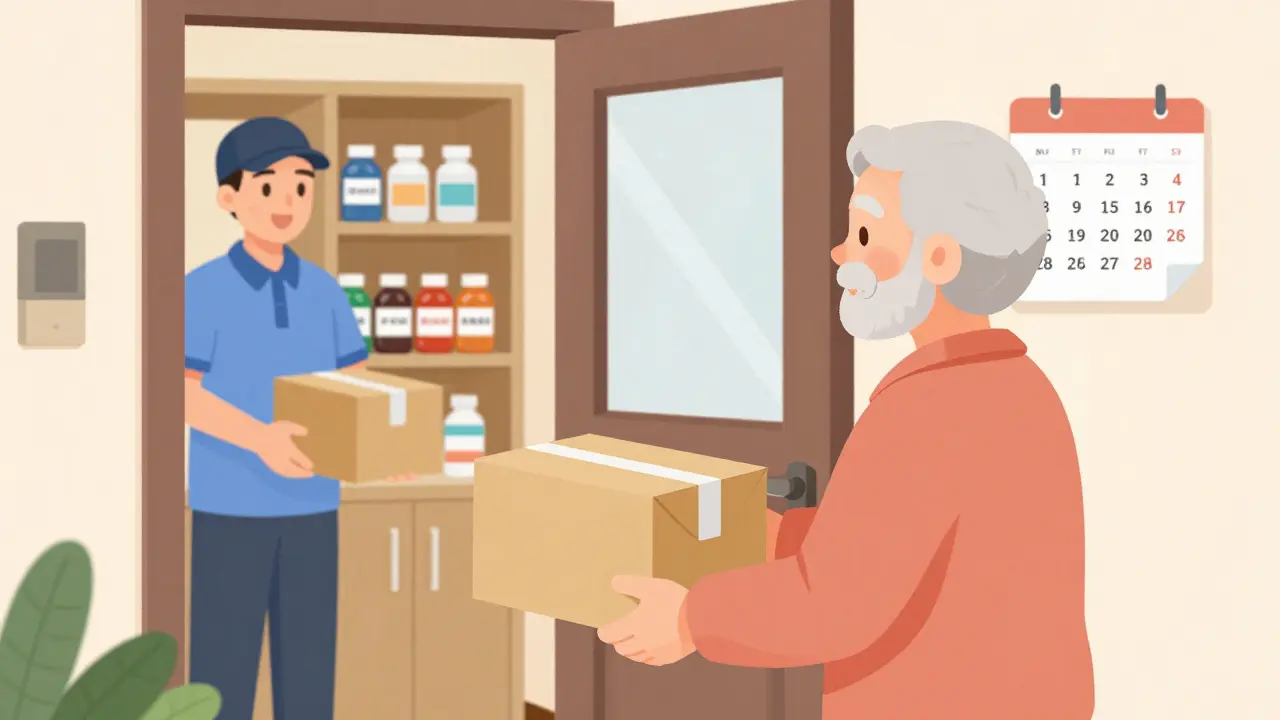
More people are getting their medications delivered to their door than ever before. In 2023, mail-order pharmacies in the U.S. sold over $206 billion worth of drugs - up from just $86 billion a decade earlier. But here’s the twist: prescription volume only went up 11% during that time. So where’s all that extra money coming from? It’s not more people buying meds. It’s higher prices, questionable shipping practices, and hidden costs that most patients don’t even realize they’re paying.
Why Mail-Order Generics Are Popular
For people managing chronic conditions - like high blood pressure, diabetes, or depression - mail-order pharmacies offer real advantages. Most insurance plans push patients toward 90-day supplies through mail-order services because it’s cheaper for the insurer. You might pay just $10 for a three-month supply of your generic blood pressure pill, while the same amount at a local pharmacy costs $45. That’s a $45 monthly savings for some, and that adds up fast.Automatic refills help too. No more forgetting to call in a prescription or making a trip to the pharmacy when you’re sick or busy. For someone on five or six daily medications, having them all arrive in one box every three months is a huge relief. Studies from the National Institutes of Health show people who use mail-order pharmacies are more likely to stick with their meds long-term. That’s critical. Skipping doses for conditions like heart disease or diabetes can lead to hospitalizations - or worse.
Mail-order isn’t just convenient. It’s a system-level fix. It’s designed to make sure people with long-term illnesses don’t fall through the cracks. About 63% of people with high blood pressure and 58% of those with diabetes use mail-order services, according to IQVIA. That’s way higher than the 29% average for all prescription users.
The Dark Side of Convenience
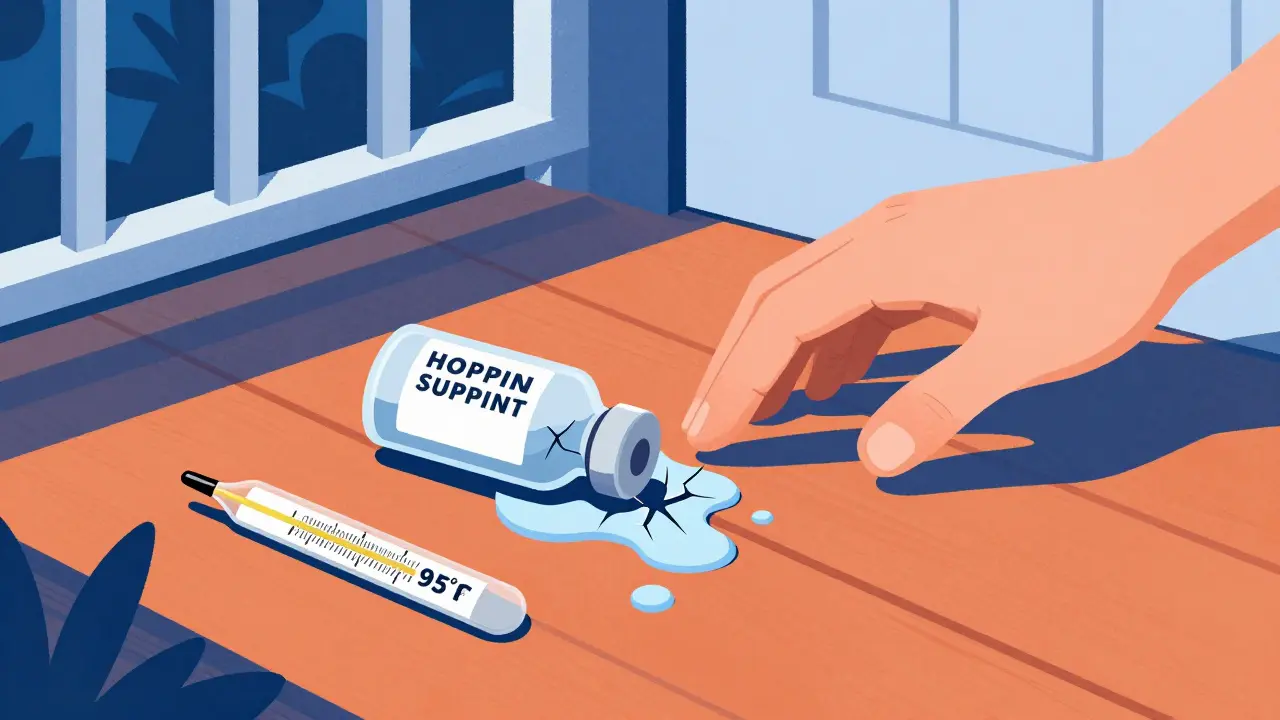
But convenience doesn’t mean safety. One of the biggest red flags? Temperature control. Many medications - especially insulin, certain antibiotics, and biologics - need to stay between 68°F and 77°F during shipping. If they get too hot or too cold, they lose potency. A study cited by The Happy PharmD found that only one-third of mail-order shipments stay within that safe range. The FDA has logged over 1,200 reports of temperature-related medication failures between 2020 and 2023. Real people are getting insulin that’s melted in the mail. One Reddit user described their insulin arriving in a puddle after a summer delivery. That’s not a mistake. That’s a risk.And it’s not just heat. Packages get lost. They sit in mailrooms for days. They’re left on porches in freezing rain. Trustpilot reviews show 17% of negative experiences involve delivery failures. For someone who needs daily medication, even a one-day delay can be dangerous.
Price Gouging Under the Guise of Savings
The biggest shock? The cost savings aren’t always real. Yes, your copay might be $10 for a 90-day supply. But what’s the actual cost behind that? A generic antidepressant that costs $12 at a local pharmacy can be billed at $100 through a mail-order service. That’s an 800% markup. Brand-name drugs? Some are marked up 35 times the retail price. How? Because mail-order pharmacies are often owned by the same companies that run your insurance - Express Scripts, CVS Caremark, OptumRx. These three giants handle nearly 80% of all mail-order prescriptions in the U.S. They control the pricing, the distribution, and the data. There’s little transparency.Uninsured patients are getting hit hardest. For drugs like semaglutide (Ozempic) or tirzepatide (Mounjaro), direct-to-consumer mail-order pharmacies charge up to $500 a month. That’s unaffordable for most. Meanwhile, the same drug might be available for under $25 at a discount pharmacy with a coupon. The system isn’t designed to help everyone. It’s designed to profit from the people who have no choice.
Generic Switching Can Be Risky
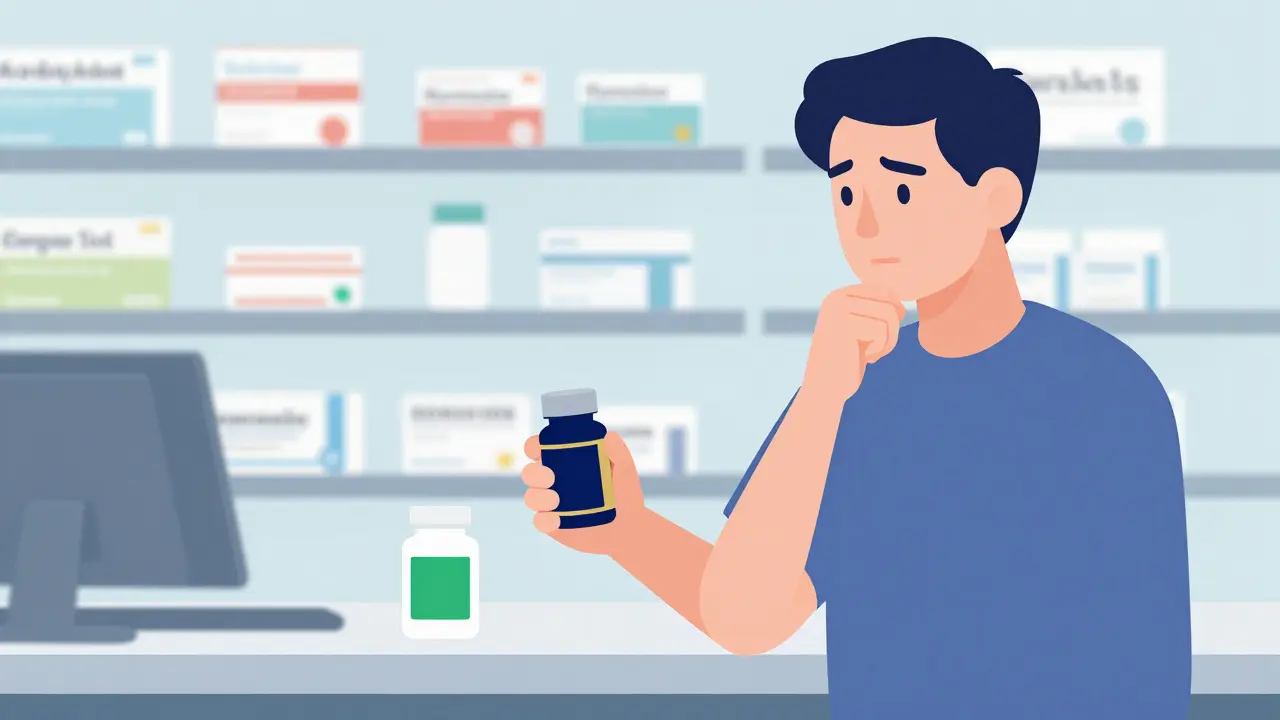
Generic drugs are supposed to be identical to brand-name ones. The FDA says so. But here’s the catch: different manufacturers make generics with different fillers, colors, shapes, and even tastes. For someone who’s been on the same pill for years, switching to a new generic - even if it’s the same active ingredient - can cause confusion. A 2017 study found that patients who switched between multiple generic versions of topiramate (used for seizures and migraines) ended up with more hospital visits and longer stays. Why? Because they thought the new pill was something else. Or they didn’t recognize it and skipped doses out of fear. It’s not the drug. It’s the packaging.And if you’re taking multiple medications from different pharmacies - maybe one generic from mail-order, another from your local pharmacy - your pharmacists can’t see the full picture. No one’s checking for dangerous interactions. That’s a silent risk. A 2024 JAMA Network Open study warned that this fragmentation increases the chance of harmful drug combinations slipping through the cracks.
Missing the Human Touch
At a local pharmacy, your pharmacist knows your name. They see you every month. They ask, “How’s your blood pressure?” They notice if you’re not picking up your inhaler anymore. That’s not happening with mail-order. A 2023 Consumer Reports survey found that 68% of users worried about losing that personal connection. No one’s there to warn you if a new medication might interact with your supplements. No one’s there to explain how to take your pills if you’re confused. For older adults or people with cognitive issues, that gap can be deadly.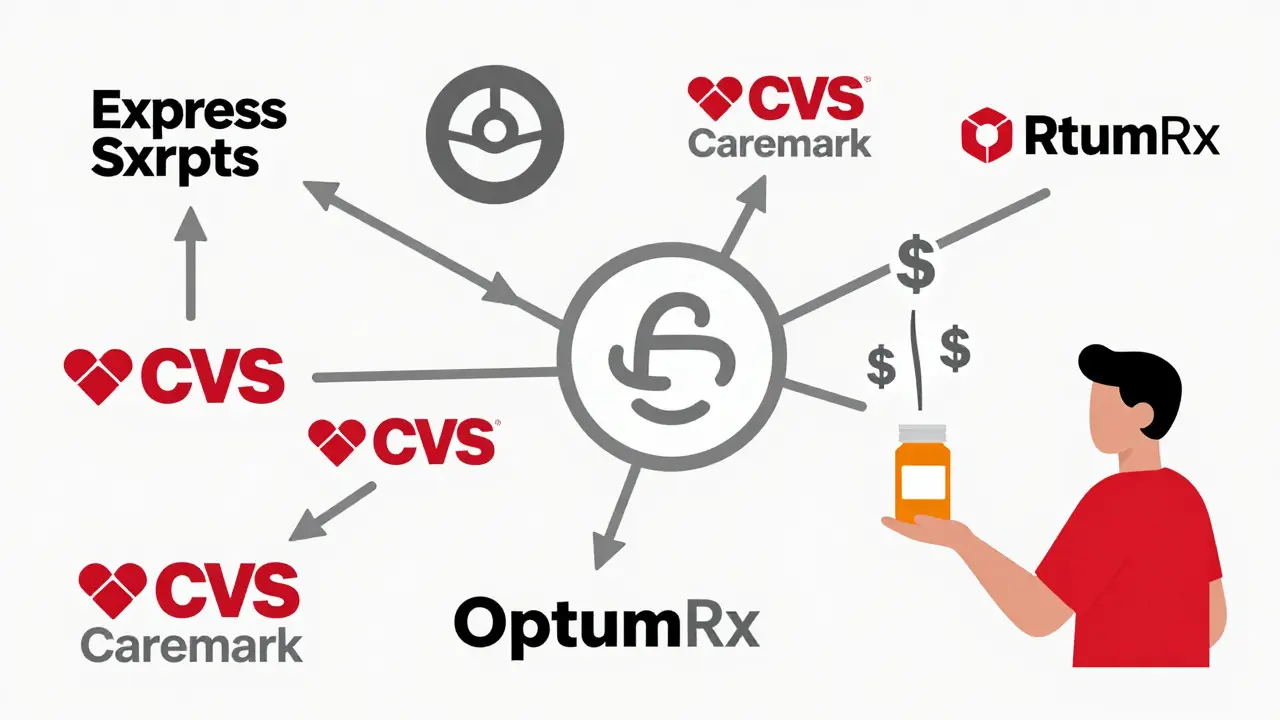
Who Should Use Mail-Order? Who Should Avoid It?
Mail-order makes sense if:- You take the same medication every day for a chronic condition
- You’re on a 90-day supply plan through your insurer
- You’re not on time-sensitive meds like antibiotics or rescue inhalers
- You can plan ahead and order at least two weeks before you run out
But avoid it if:
- You’re on insulin or other temperature-sensitive drugs without guaranteed cold shipping
- You need a medication right away - like after surgery or for an infection
- You take multiple drugs from different sources and can’t track interactions
- You’re uninsured and the out-of-pocket price is higher than local pharmacies
How to Use Mail-Order Safely
If you’re using mail-order, here’s how to protect yourself:- Always order at least two weeks before your supply runs out. Don’t wait until you’re out.
- Check the packaging when it arrives. Is it warm? Is the seal broken? If it looks off, call your pharmacy and your doctor immediately.
- Keep a list of all your meds - including dosages and refill dates - and share it with your primary care doctor every six months.
- Use a local pharmacy for acute meds (antibiotics, painkillers, inhalers) even if you use mail-order for maintenance drugs.
- Compare prices. Use GoodRx or SingleCare to see what your generic costs at your local Walmart or CVS before accepting the mail-order price.
- If you’re on insulin or similar drugs, ask if the pharmacy uses temperature-controlled packaging. If they say “yes,” ask for proof. Don’t take their word for it.
The system isn’t broken - but it’s tilted. Mail-order generics helped millions stay on their meds. But they also became a profit engine for big corporations with little oversight. The FDA doesn’t require temperature tracking. There’s no federal law forcing transparency in pricing. And patients are left to figure it out on their own.
The good news? Change is coming. A bill called the Pharmacy Delivery Safety Act (H.R. 4892) is now in committee. It would require mail-order pharmacies to monitor and report shipping temperatures. That’s a start. But until then, the responsibility is on you. Know your meds. Know your rights. And never assume that “convenient” means “safe.”
Are mail-order generics as effective as brand-name drugs?
Yes, by law, generic drugs must contain the same active ingredient, strength, and dosage form as the brand-name version. The FDA requires them to work the same way in the body. But differences in inactive ingredients - like fillers or coatings - can affect how some people feel when they switch. That’s why some patients report side effects after switching to a new generic, even though the drug is technically identical.
Can I get my insulin through mail-order safely?
It’s possible, but risky. Insulin is sensitive to heat and freezing. If it’s exposed to temperatures above 86°F for more than 24 hours, it can lose potency. Only use mail-order if the pharmacy guarantees temperature-controlled packaging with cold packs and tracking. Always inspect the package when it arrives. If it’s warm, swollen, or the liquid looks cloudy, don’t use it. Call your pharmacy and your doctor right away.
Why is my mail-order prescription so much more expensive than my local pharmacy?
It’s not always true - but sometimes it is. Mail-order pharmacies are often owned by your insurance company’s pharmacy benefit manager (PBM). They set the prices, and they can bill your plan at inflated rates even when the actual cost of the drug is low. A $12 generic might be billed at $100. Your copay might still be $10, but the insurer pays the rest - and that cost gets passed on to everyone through higher premiums. Always compare prices with GoodRx before accepting the mail-order price.
What should I do if my mail-order medication doesn’t arrive on time?
Don’t wait. Call your pharmacy immediately. If you’re on a life-saving medication like insulin, heart meds, or seizure drugs, contact your doctor. They can often give you a short-term prescription for a local pharmacy to cover the gap. Never skip doses. If this happens often, consider switching to a different mail-order provider or using a local pharmacy for critical meds.
Is it safe to use different pharmacies for different medications?
It’s risky. If you get some meds from mail-order and others from a local pharmacy, your pharmacists can’t see your full medication list. That means they can’t check for dangerous interactions - like blood thinners mixing with NSAIDs or antibiotics reducing the effect of birth control. Always keep a written list of everything you take and share it with your doctor at every visit. Consider using one pharmacy - even if it’s not the cheapest - so all your meds are in one place.
Will using mail-order affect my insurance coverage?
Usually, it helps - your copay is lower for 90-day supplies. But some plans require you to use mail-order for maintenance drugs. If you refuse, you might pay full price. Always check your plan’s formulary. If you’re unhappy with your mail-order service, ask your insurer if you can switch to a different provider. You have options, even if they’re not always obvious.
If you’re taking long-term meds, mail-order can save you money and time. But it’s not a magic solution. The system is designed to maximize profits, not patient safety. Stay informed. Stay vigilant. And never let convenience blind you to the risks.
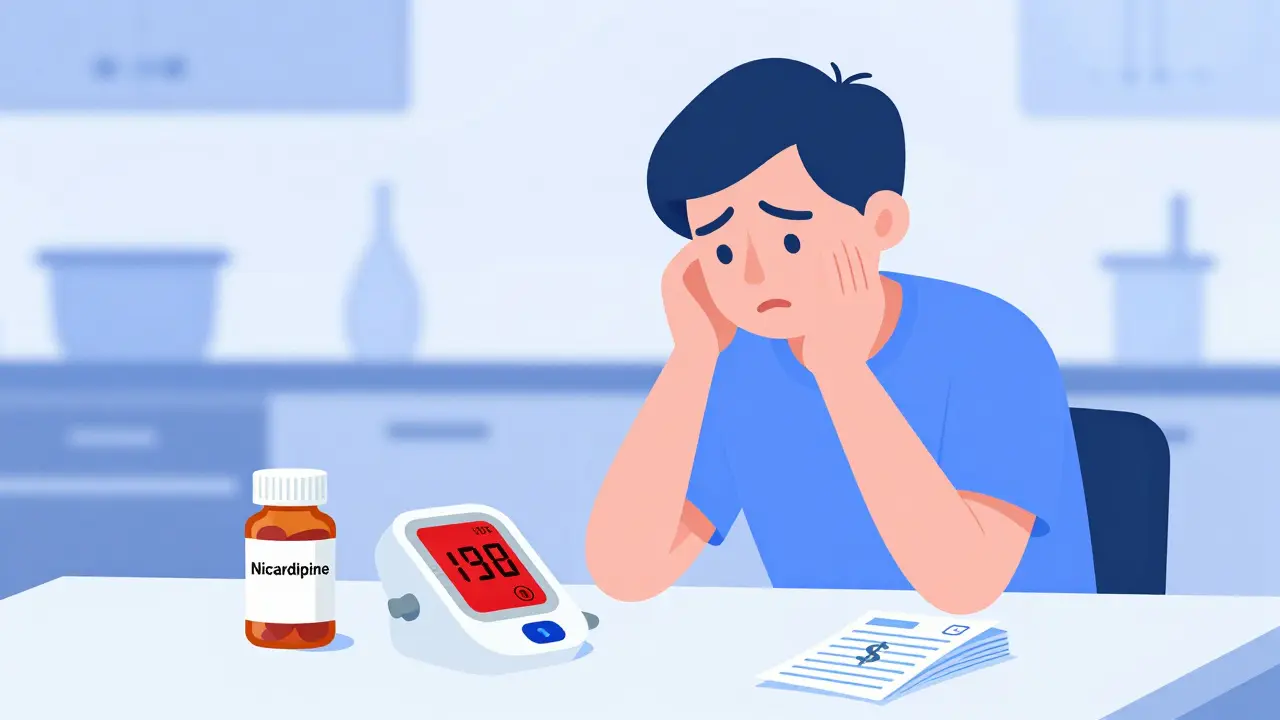
Just got my insulin delivery yesterday and the box was warm to the touch. No cold packs, no warning label. I called the pharmacy and they said "it's fine, it's just a little warm". Like bro, this isn't coffee. This is life-saving stuff.
Agreed. Mail-order works great for maintenance meds like metformin or lisinopril. But for anything time-sensitive or temperature-dependent, local pharmacy every time. The convenience isn't worth the risk.
Oh please. You think the local pharmacy is any better? My pharmacist once handed me a bottle of pills with no label. Said "you're on this one, right?" I had to Google the pill imprint. At least mail-order has tracking numbers.
Both systems are broken. The real issue is PBMs controlling pricing and forcing mail-order. I pay $10 copay for my generic, but my insurer paid $98. That’s not savings, that’s a shell game.
the fda is in on it. they know mail order meds are getting cooked in trucks and still approve it. why? because big pharma owns them. insulin used to be 30 bucks now its 500 because they want you hooked on the system. they dont want you healthy they want you dependent.
As someone who has been on a regimen of five chronic medications for over a decade, I can confirm that mail-order has been a lifeline in terms of adherence. I no longer miss doses due to forgetfulness or transportation issues. However, I do maintain a printed log of all medications, dosages, and refill dates, which I share with my primary care physician every six months. I also use a local pharmacy for antibiotics and emergency medications. The key is not to reject the system outright but to navigate it with vigilance and personal responsibility. The convenience is real, but so are the risks-awareness is the only true safeguard.
From a pharmacoeconomic standpoint, the consolidation of pharmacy benefit management under vertically integrated entities (Express Scripts, CVS Caremark, OptumRx) constitutes a classic vertical monopoly. The lack of regulatory oversight regarding temperature-controlled logistics and opaque pricing mechanisms violates the fiduciary duty owed to beneficiaries under the Patient Protection and Affordable Care Act. Until federal legislation mandates transparent cost disclosure and real-time environmental monitoring during transit, patient safety remains an afterthought.
MY INSULIN MELTED IN THE MAIL AND NO ONE CARES. I HAD TO GO TO THE ER BECAUSE MY BLOOD SUGAR WENT CRAZY. THEY SAID "SORRY, NEXT TIME ORDER EARLIER." LIKE I'M SUPPOSED TO BE A CLAIRVOYANT? THIS SYSTEM IS A SCAM AND THEY KNOW IT.
You guys are overreacting. I’ve been using mail-order for 7 years. Never had an issue. If you can’t handle responsibility, don’t blame the system. Get your act together. Maybe you just need to check the package before you panic.