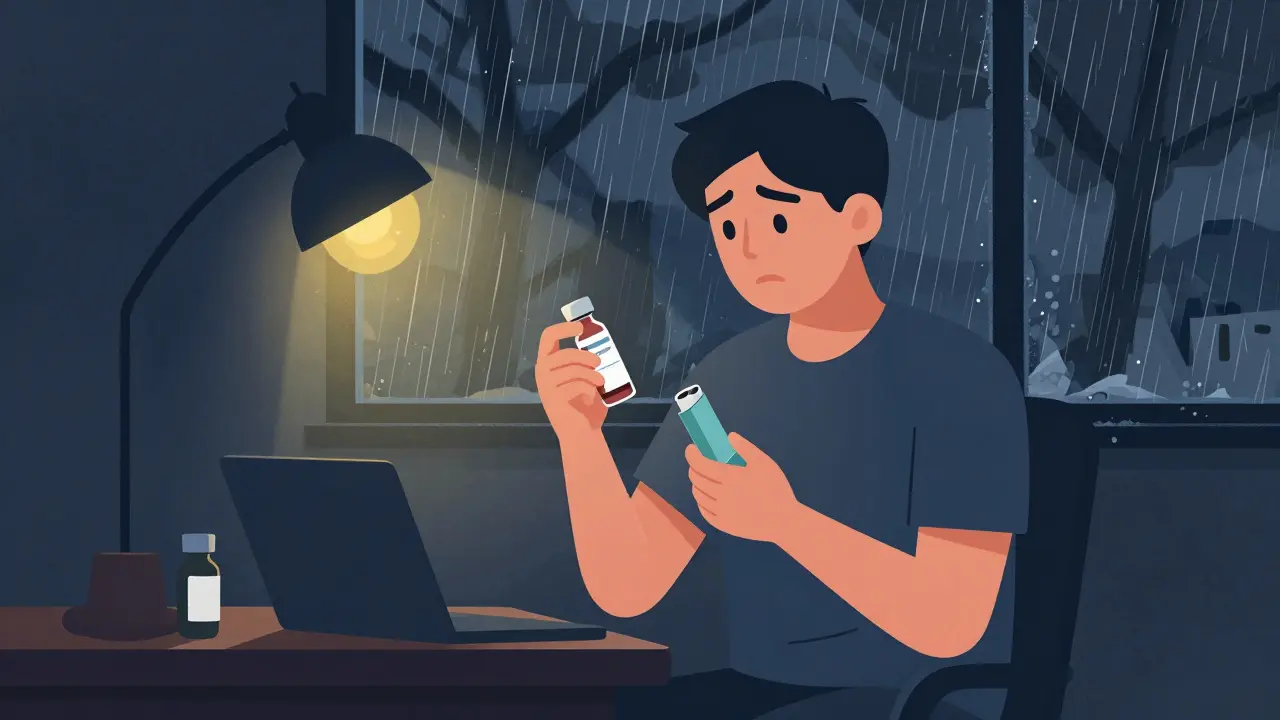
Imagine you are stuck in your home during a storm surge, the power is out, and your rescue is days away. Your insulin is two months past its printed date, and your asthma inhaler has been sitting in the heat. Do you take it or leave it? This isn't just a hypothetical nightmare; it happens regularly. With disasters becoming more frequent, the question of using Expired Medication drugs or supplements past their labeled expiry date shifts from theory to survival necessity.
We often treat the date on the box as an absolute deadline, like a fresh milk carton. But in a crisis where pharmacies are closed, that line gets blurry. The reality is complex. Using old medication carries risk, but sometimes the risk of *no* medication is higher. Understanding how to discuss and evaluate this situation saves lives.
What the Expiration Date Actually Means
Most people assume an expiration date marks the day a pill turns poisonous. That's mostly incorrect. When the Food and Drug Administration (FDA) US federal agency regulating food and drugs requires these dates, they mean the last day the manufacturer guarantees 100% potency under ideal storage conditions. After that date, the chemical might simply degrade slowly.
The Department of Defense runs something called the Shelf Life Extension Program (SLEP) Program testing military stockpile drug stability beyond expiration. They've tested hundreds of drugs in their sealed stockpiles and found that 88% of products kept working perfectly long past the label. However, there's a big catch here. That data applies to drugs stored in climate-controlled warehouses, not yoursitting on a bathroom counter.
Think about the difference between a bomb shelter and your kitchen cabinet. In a home setting, temperature spikes and humidity ruin stability much faster. Research from 2022 showed that medicines exposed to temperatures above 86°F for 48 hours lose potency 15% faster than those kept cool. So, while the SLEP data is reassuring for government reserves, it doesn't give you a blank check to use whatever is in your drawer.
Risk Levels by Medication Type
Not all medicines behave the same way when they age. You need to sort your stash into categories before disaster strikes. Solid forms like tablets are generally more stable than liquids.
| Medication Class | Potency Retention (Post-Expiry) | Safety Risk |
|---|---|---|
| Analgesics (e.g., Acetaminophen) | 95% at 4 years | Low |
| Antibiotics (e.g., Amoxicillin) | 80% at 1 year | Moderate |
| Insulin | 40% loss at 6 months | Critical |
| Bronchodilators (Albuterol) | Variable efficacy | High |
For example, Acetaminophen Common over-the-counter pain reliever tends to hold up well, retaining most effectiveness even years later. On the flip side, insulin degrades rapidly. If you rely on insulin and your bottle is past due, especially if it saw warm weather, it can lose up to 10% potency per month. Taking a half-strength dose during a diabetic crisis could be fatal.
Antibiotics fall somewhere in the middle. Data suggests they often maintain enough strength to work, but the danger lies in under-dosing. If an antibiotic is only 70% effective, bacteria might survive and grow resistance. During Hurricane Ida, survivors who used expired antibiotics had significantly higher rates of resistant infections compared to those with fresh supplies.
Environmental Factors and Storage Reality
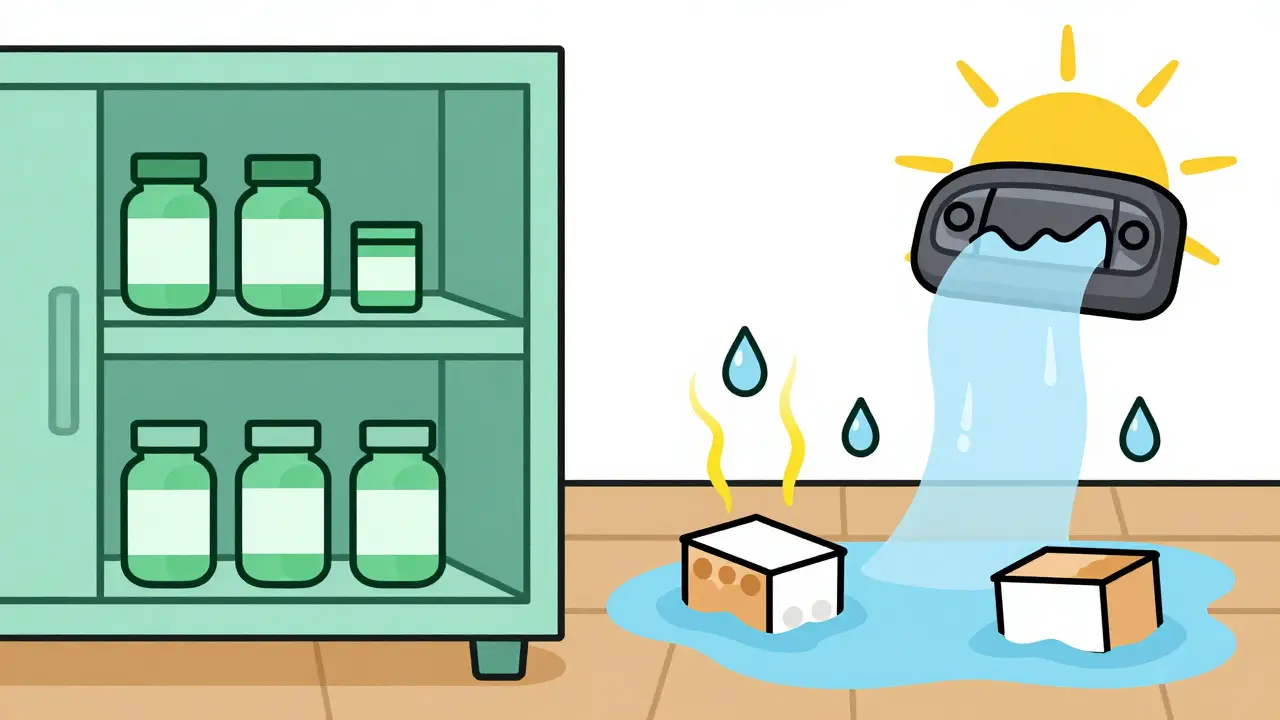
Your environment dictates whether an "expired" pill is actually dangerous. Floodwater is the biggest enemy. Studies following floods show that 92% of medications submerged for 24 hours have bacterial contamination. Even if the tablet looks fine, invisible pathogens might coat it.
If you are discussing this with someone else, ask about their storage history:
- Was it in a waterproof container? Humidity destroys capsules quickly.
- Did it experience extreme heat? Cars parked in summer sun exceed safe temperatures in minutes.
- Is the packaging intact? Blister packs protect better than loose bottles.
If a patient tells you their supply was left in a flooded basement, the answer is simple: throw it away. Visual inspection helps too. Discard anything discolored, crumbled, or changed texture. About 73% of degraded medications show visible physical changes before chemical failure.
The Legal and Professional Discussion
Talking about this requires knowing who has the authority to help. During declared emergencies, the rules loosen slightly. The PREP Act allows pharmacists in many states to dispense emergency supplies without a doctor's note. For instance, in 48 U.S. states, pharmacists can provide a 72-hour supply of maintenance meds during a disaster declaration.
However, relying on this system isn't guaranteed. Only 38% of rural zones have telehealth access, making remote guidance difficult. The best approach involves creating a plan ahead of time.
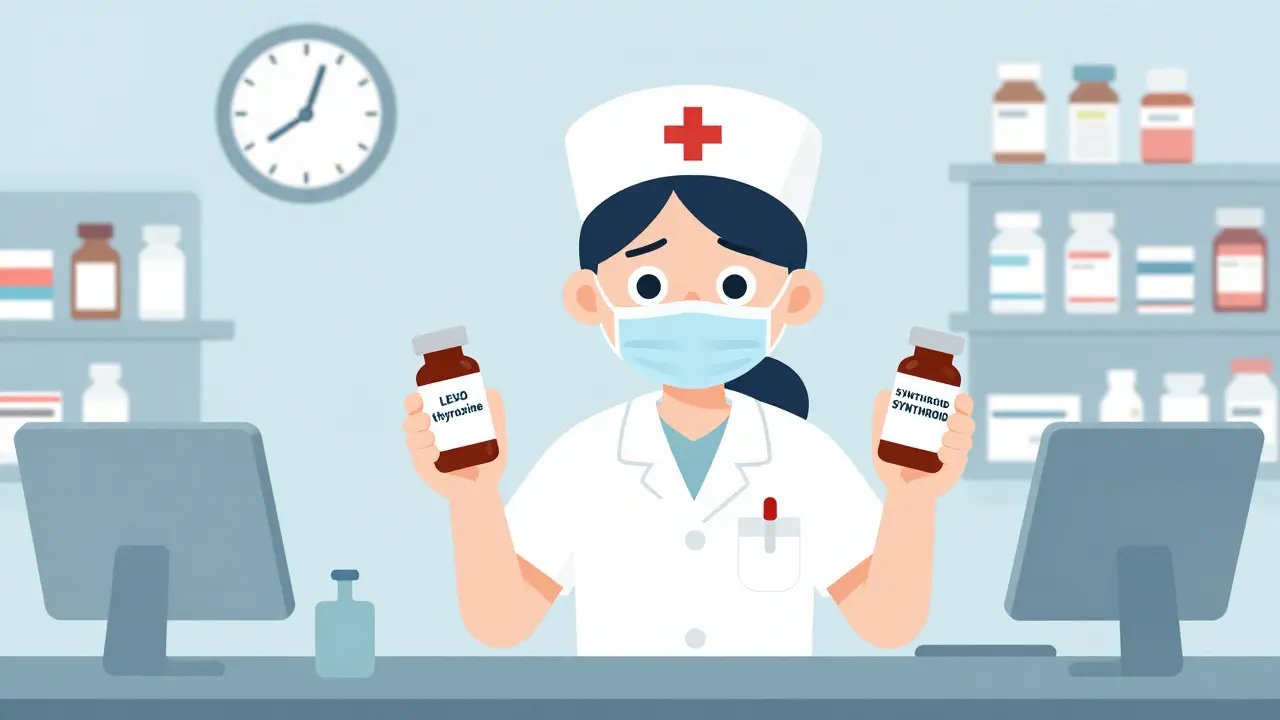
When you speak with a healthcare provider, don't just say "I have old meds." Bring specifics. Tell them the name, the lot number if possible, and when you stored it. A pharmacist can look up the International Council for Harmonisation (ICH) Global standards for pharmaceutical quality stability data for that specific molecule. They might confirm that a 3-month-old antihistamine is likely safe while advising against a 3-month-old epinephrine pen.
Real-World Lessons from Recent Disasters
We learn the most from mistakes made in the field. During Hurricane Maria in Puerto Rico, 42% of residents resorted to expired drugs. For chronic conditions like blood pressure issues, this often failed-37% reported inadequate control. But for acute pain relief, like ibuprofen, success rates were high. This highlights the distinction between life-sustaining and symptom-managing drugs.
In California's 2020 wildfires, evacuees shared similar stories. Some doubled the dose of older epinephrine auto-injectors because they knew the liquid was losing potency. While doubling isn't standard medical advice, the intent shows the desperate calculation people make: imperfect treatment is better than none.
However, we must remember the downside. The Johns Hopkins study found that survivors using expired antibiotics developed resistant infections much more often. The goal of any discussion shouldn't be to normalize expiring stock forever, but to prepare a backup strategy so you aren't forced into that corner.
Creating a Practical Decision Tree
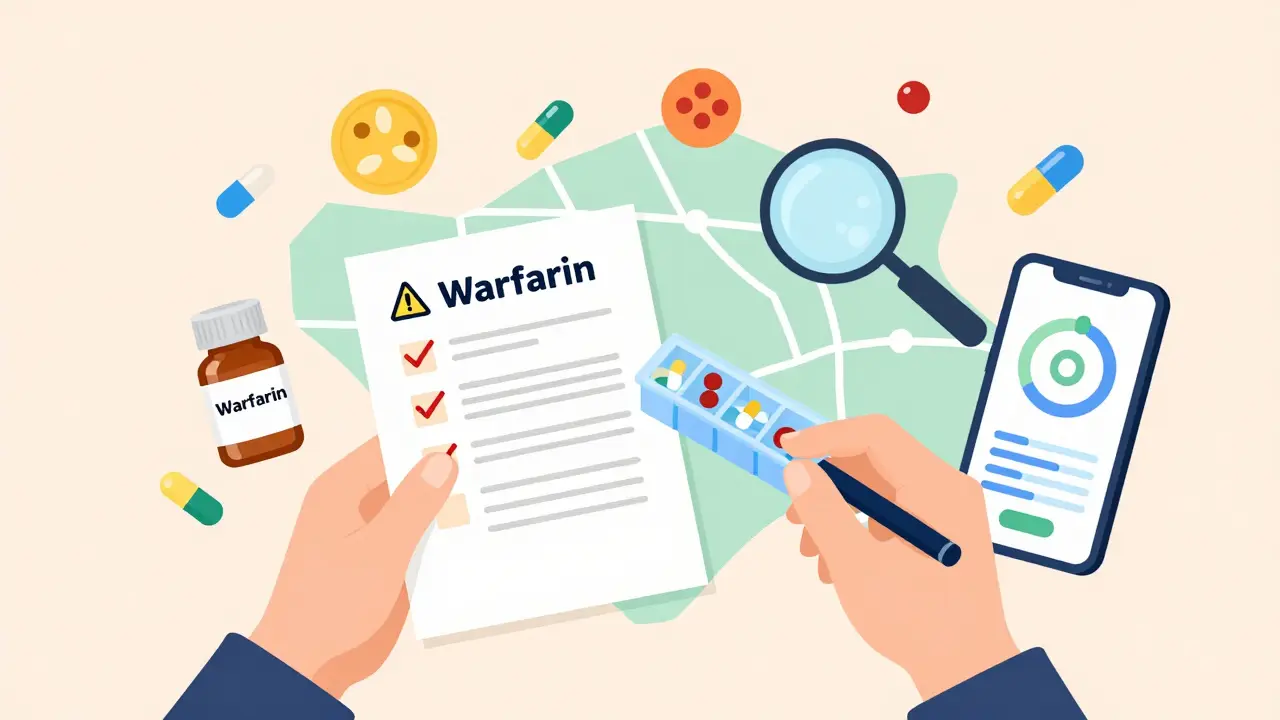
When the time comes to decide, use a structured approach rather than guessing. The FDA suggests a five-step assessment for post-disaster drug safety:
- Check Physical State: Look for discoloration or crumbling.
- Verify Storage History: Rule out heat or water damage immediately.
- Identify Criticality: Is it life-saving (like heart meds) or comfort-based (pain)?
- Calculate Timeframe: Less than 6 months past is usually lower risk for solids.
- Consult Authority: Call a pharmacy hotline or use telehealth if signal permits.
Remember, in New Zealand, our Medicine Safety Regulatory oversight of pharmaceutical products framework aligns closely with international standards regarding stability. While specific state laws vary in the US, the chemistry doesn't change across borders.
Can I take expired antibiotics during a power outage?
Only if you cannot get fresh ones and the condition is severe. Antibiotics may retain 80% efficacy for a year if stored properly, but risk resistance if potency drops below therapeutic levels. Avoid this for critical infections if possible.
How do I tell if insulin is still good?
Clear insulin should remain clear. If cloudy insulin looks different or has particles, discard it. Temperature history matters most; if it sat above room temp, test blood sugar frequently if you use it.
Are painkillers safe after expiration?
Generally yes. Acetaminophen and ibuprofen are very stable solid forms. Many studies show 90%+ potency retention several years past the date if kept dry.
What should I discard immediately?
Anything exposed to water, extreme heat, or physical damage. Liquid suspensions, eye drops, and injectables are the most sensitive to environmental damage.
Do pharmacists have different powers in a disaster?
Yes, during federal declarations, many regions allow pharmacists to prescribe 72-hour supplies of essential drugs without waiting for a doctor's approval.
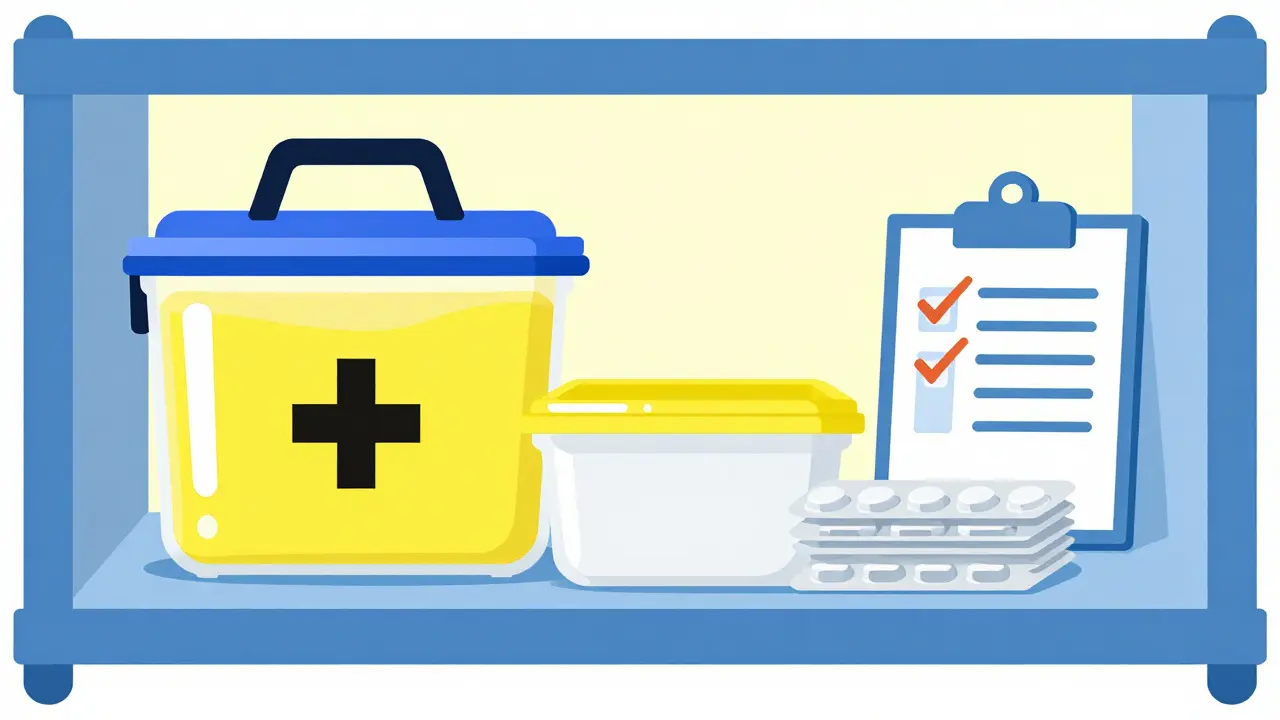
The bottom line is preparation. Knowing what you have and where you stored it is far better than panicking over a date code. Keep a separate emergency kit with robust packaging, store it in a cool dry place, and rotate it every six months. Treat the calendar date as a guideline, but never ignore the visible condition of the medicine itself. Your health depends on making these calculations before the sirens sound.
I remember when my own grandmother lost power during Hurricane Sandy last year. She was terrified about her blood pressure meds sitting in the heat. We had to move quickly because the storm surge was getting closer every minute. Nobody has a perfect plan for these kinds of situations unfortunately. Reading about insulin degradation makes me worry about my diabetic friend down the street. He lives alone and he does not always have anyone checking on him. The idea of throwing away medicine feels wasteful even though safety is paramount. We often forget that expiration dates are mostly about manufacturer guarantees. It is strange how we follow rules blindly during emergency scenarios. I think more education is needed about proper storage conditions at home. Keeping medicines cool helps so much more than keeping them dry sometimes. Visual inspection is actually the best tool most regular people have available. If the tablet looks discolored then it is probably not safe to touch. We need to prepare kits now before the next storm season starts rolling around. Trusting your judgment in the dark is scary but necessary sometimes.
Your assumption about potency ignores basic thermodynamic principles regarding drug stability. Most laypeople misinterpret the FDA guidelines significantly. You imply safety without understanding the underlying chemical degradation rates. This level of ignorance endangers vulnerable populations unnecessarily. Stick to proven facts instead of anecdotal evidence found online. The military data cited has zero correlation to residential environments. Stop spreading misinformation disguised as helpful advice. People get hurt because of sloppy thinking like this.
The Shelf Life Extension Program; indeed; provides valuable insights; however; it lacks universal applicability for household contexts. Furthermore; humidity control remains; critically; essential for maintaining efficacy. Consequently; patients should evaluate storage conditions; prior; to making consumption decisions. Clinical standards dictate; that visual integrity; serves as; a primary indicator of safety.
That is a harsh take considering the circumstances described earlier. We should try to help rather than tear apart fear based concerns.
Society has forgotten basic responsibility towards self care 🛑🧠. We cannot trust corporations anymore so we must trust our gut feeling 💔. Using expired drugs is sometimes the only ethical choice 🌍🥺. Don't let the government tell you what to do with your body ✊📉. Health is wealth but profit comes first for them 😡💰.
Stop listening to scared people and think for yourself. You are weak if you panic like this. Flood water kills everything so throw that away fast. Do not eat dirty pills or you will die soon. Simple facts save lives better than fancy words.
It is hilarious how everyone suddenly becomes a pharmacist after a hurricane. Hope springs eternal when the shelves go empty apparently. You can survive anything until you realize you cannot. At least we can laugh at the bureaucracy while waiting for rescue. Positivity is the only medicine left in the cupboard.
We must consider the pharmacokinetic profile of the specific compounds involved here. Degradation products from certain beta-lactams can cause nephrotoxicity upon ingestion. Insulin analogues exhibit significant peptide bond hydrolysis under thermal stress. Evaluating serum glucose trends allows for dose adjustment if usage occurs. Please ensure you monitor hepatic function markers closely during this period.
I sat in the dark for three days holding that inhaler in my hands. My heart was racing faster than the wind outside that night. I thought about the consequences of not having air to breathe. Fear changed into acceptance when nothing else worked for us. Survival depends on choices made in the quiet moments.
You really need to understand the gravity of medical negligence here. Taking liberties with expired drugs can ruin someone's entire recovery process. Many people fail to realize the chemical breakdown occurs silently. Just because a pill looks fine does not mean it works correctly. History shows us that survival stories are often misleading examples. People focus on the positive outcomes and ignore the hidden risks. Resistant infections are a silent killer that spreads through communities easily. Your personal experience does not override established scientific protocols. We must prioritize caution over desperation in these discussions. Preparation is the only true safeguard against future disasters. Ignoring storage history leads to catastrophic health failures eventually. Pharmacists know the stability data better than any random internet user. Following their guidance prevents unnecessary complications later on. Respect the science behind the packaging dates we see daily. True wisdom comes from listening to experts rather than forums.
We should approach this topic with compassion rather than judgment towards those struggling. Everyone fears the unknown aspects of disaster survival preparation plans. Understanding the nuance between risk management and reckless behavior is vital. Storage methods vary wildly depending on housing infrastructure globally. Community sharing of resources often mitigates individual shortages effectively. Patience is required when assessing the physical state of medications found. Communication with professionals remains the gold standard regardless of urgency. We learn best from collective experiences shared openly here today. Avoid creating panic among neighbors who may lack knowledge. Focus on actionable steps for improvement moving forward. Safety protocols exist to protect us from predictable environmental hazards. Balance caution with practical needs during extreme weather events. Never underestimate the value of clean water and shelter too. Trust your instincts but verify them whenever possible. Keep your family informed about these potential risks ahead of time.
the decay of matter mirrors the decay of human morality in modern society