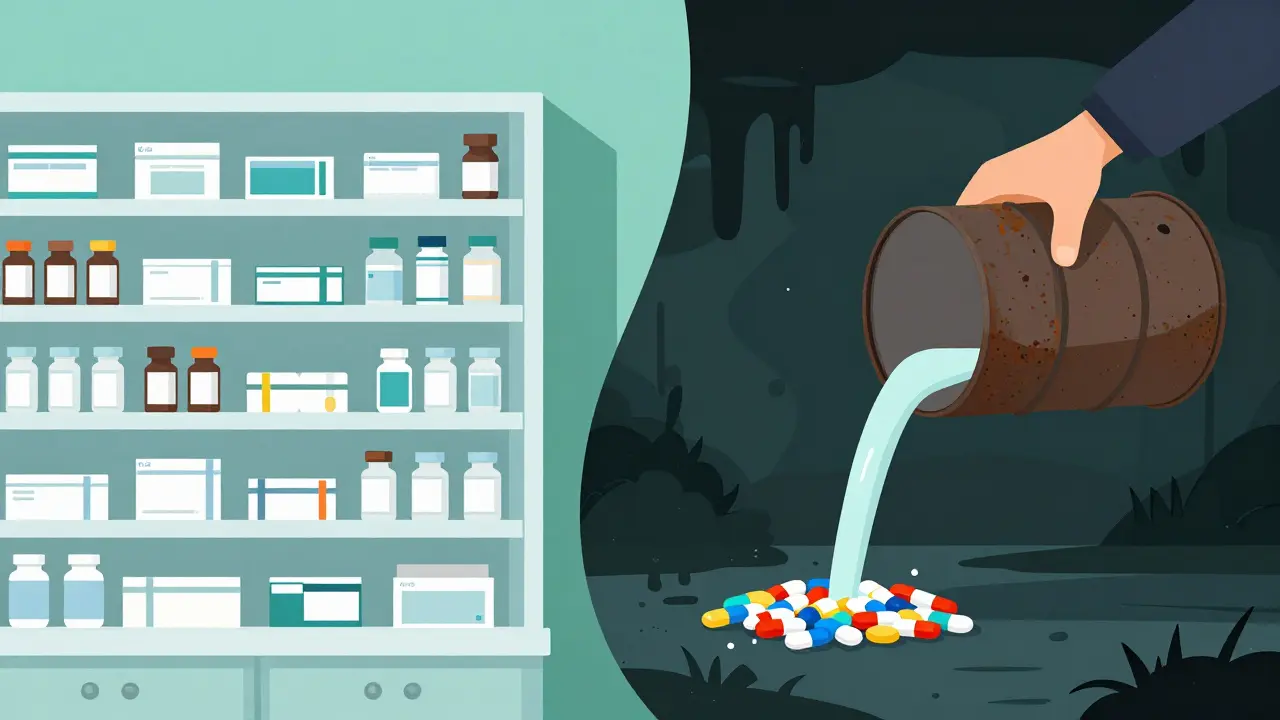
When people think about fake medicine, they usually imagine a pill that simply doesn't work. You take it for a headache or an infection, and nothing happens. But there is a much darker side to this illicit industry. The real danger isn't just that these drugs are ineffective; it's that they are often laced with poisons. From industrial solvents that destroy kidneys to synthetic opioids that stop your heart, counterfeit drugs are becoming delivery systems for lethal toxins.
This isn't just a problem in remote areas. While low- and middle-income countries are hit hardest-with roughly 1 in 10 medicines failing quality tests-developed nations are seeing a massive surge in contaminated products sold online. EUROPOL reported a 317% increase in seizures of contaminated fake drugs between 2018 and 2022. We are talking about a global business worth $200 billion that treats human lives as disposable overhead.
| Contaminant Type | Common Examples | Health Impact | Typical Products Found In |
|---|---|---|---|
| Industrial Solvents | Ethylene glycol, Diethylene glycol | Acute kidney injury, metabolic acidosis | Cough syrups, Liquid medications |
| Heavy Metals | Lead, Mercury, Arsenic | Neurological damage, renal failure | Weight-loss pills, Skin creams |
| Synthetic Opioids | Fentanyl | Respiratory depression, overdose death | Prescription painkillers, Anxiety meds |
| Microbial Pathogens | Bacillus cereus, Pseudomonas aeruginosa | Sepsis, abscesses, systemic infection | Injectables, Eye drops |
The Invisible Killers: Chemical and Industrial Poisons
Some of the most terrifying contaminants are the ones used to mimic the texture or consistency of real medicine. Take Diethylene glycol is a colorless, odorless liquid often used as a solvent in industrial applications. Because it looks like a syrup base, criminals use it in fake cough medicines. In 2022, this led to a heartbreaking tragedy in the Gambia where 66 children died from acute kidney failure after taking contaminated syrups.
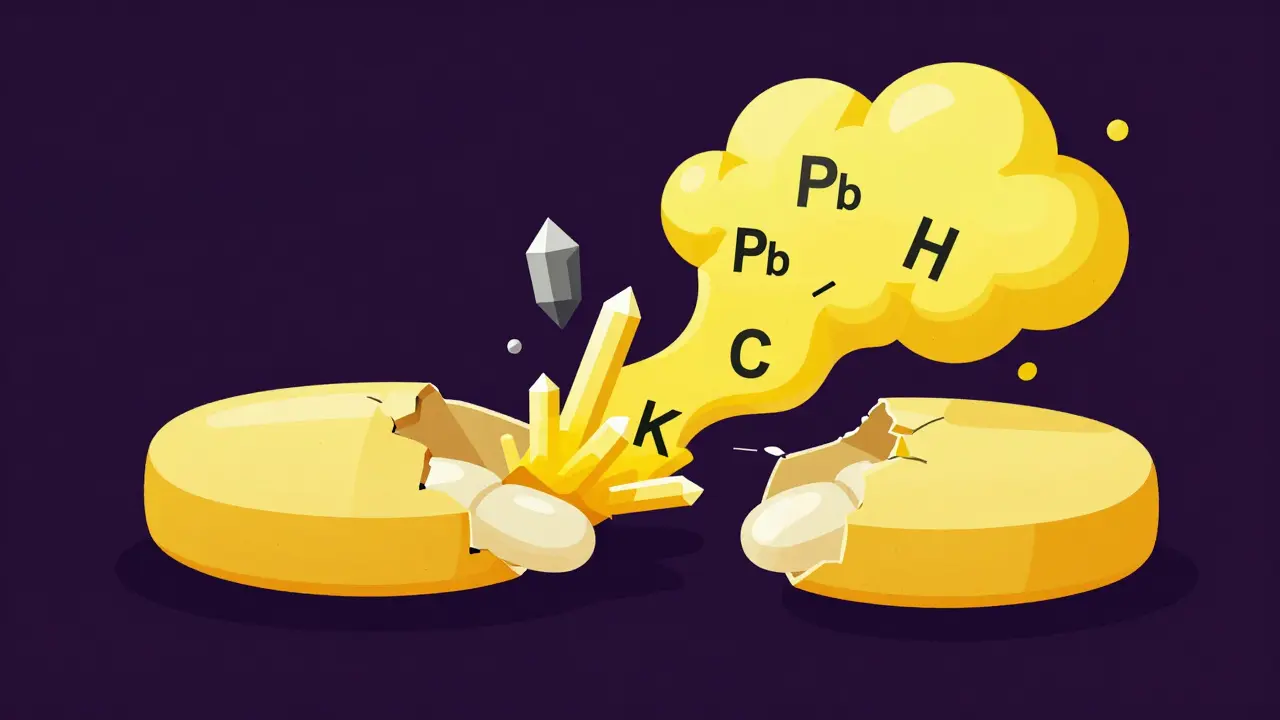
Then there are the heavy metals. In some counterfeit weight-loss products, lead and arsenic concentrations have been found at 1,200 parts per million. To put that in perspective, that is 120 times the limit allowed by the World Health Organization is the specialized agency of the United Nations responsible for international public health. These metals don't just disappear; they build up in your organs, leading to permanent brain damage or total kidney failure.
The Opioid Crisis in a Fake Pill
Perhaps the most urgent threat today is the deliberate addition of synthetic opioids. Fentanyl is a potent synthetic opioid that is 50 to 100 times more powerful than morphine. It is cheap to produce and incredibly addictive, making it a favorite for counterfeiters looking to ensure a "strong" effect in fake prescription pills.
The numbers are staggering. The FDA is the U.S. Food and Drug Administration, the federal agency responsible for protecting public health by ensuring the safety of drugs and food reported that during Operation Purple Surge, they seized millions of pills containing fentanyl. Some of these tablets contained an average of 1.87mg of the drug, which can be equivalent to nearly 200 lethal doses in a single pill. This isn't a medical error; it's a lethal gamble every time someone buys a pill from an unverified online source.
Biological Hazards and Fillers
It's not just chemicals that kill. Many fake injectables are produced in "labs" that are essentially dirty garages. This introduces bacteria and fungi directly into the bloodstream. Investigations into falsified epinephrine vials showed that microbial contaminants like Pseudomonas aeruginosa caused severe sepsis and abscesses in patients who thought they were receiving life-saving treatment.
Even the "inactive" ingredients can be deadly. To make a pill look right or weigh the correct amount, counterfeiters use fillers. The American Society of Health-System Pharmacists found that nearly 30% of fake cancer drugs contained talc or chalk. When these particles are injected intravenously, they can cause granulomatous disease-essentially, the body creates inflammatory nodules in the lungs or other organs as it tries to fight off the foreign powder.
Why Inefficacy is Just the Beginning
When a drug doesn't work, the disease progresses. But when a drug is contaminated, the medicine itself becomes the disease. For example, fake antimalarials in Southeast Asia often contain tiny amounts of the active ingredient-far too low to cure the patient. This creates a "perfect storm" where the parasite is exposed to the drug but not killed by it, which encourages the development of drug-resistant strains of Plasmodium falciparum.
We also see "hidden" active ingredients. Some fake weight-loss pills are laced with undisclosed thiazolidinedione derivatives. These aren't there to help you lose weight; they are added to manipulate your metabolism, but they can cause new-onset diabetes in healthy people. Similarly, fake erectile dysfunction products often contain uncontrolled doses of sildenafil analogues, leading to permanent tissue damage and prolonged, painful erections known as priapism.
How to Protect Yourself from Falsified Meds
You can't always tell a fake pill from a real one just by looking, but there are red flags. If a price seems too good to be true, it almost always is. Legitimate pharmacies don't sell prescription-only meds without a valid prescription, and they don't operate out of social media profiles or obscure websites.
If you're buying medication online, look for the VIPPS is the Verified Internet Pharmacy Practice Sites program that certifies online pharmacies meet specific safety and quality standards seal. The FDA's BeSafeRx program has found that over 96% of websites selling prescription drugs operate illegally. When in doubt, stick to a licensed physical pharmacy.
The Future of Detection and Prevention
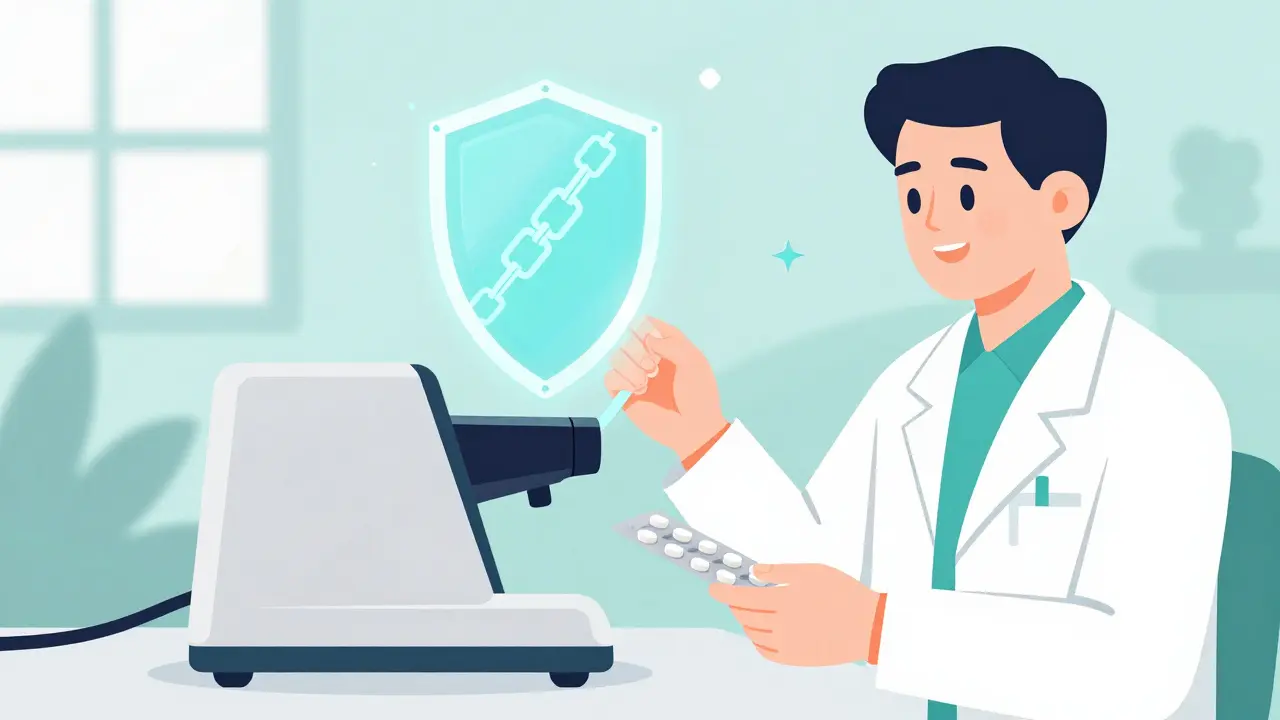
The battle is moving toward technology. Blockchain is being used to track the pharmaceutical supply chain from the factory to the patient, which has already reduced counterfeit infiltration by over 70% in some pilot programs. On the front lines, pharmacists are using handheld Raman spectrometers-devices that can "scan" a pill and identify its chemical signature in seconds.
The FDA has also introduced the Counterfeit Drug Sensor (CDS-1), which uses non-invasive spectroscopy to catch chemical contaminants with over 97% accuracy. These tools are vital because as criminals get better at mimicking packaging, we have to get better at seeing through the facade.
How can I tell if my medication is counterfeit?
While it's difficult for a consumer to be 100% sure, look for packaging errors like misspelled words, missing expiration dates, or unusual colors in the pills. Most importantly, if you bought the drug from an unlicensed online source or without a prescription, the risk is extremely high.
What are the most common symptoms of contaminated drug poisoning?
Symptoms vary by contaminant. Heavy metals may cause neurological tremors or kidney pain. Industrial solvents often lead to sudden acute kidney injury (AKI). Fentanyl contamination causes extreme drowsiness, pinpoint pupils, and slowed breathing. If you feel an unexpected or severe reaction, seek emergency medical help immediately.
Why do counterfeiters add toxic substances instead of just using flour or sugar?
Some contaminants are accidental (industrial solvents used in poor manufacturing), but others are deliberate. For instance, adding a potent opioid like fentanyl ensures the user "feels" something, masking the fact that the actual prescribed medication is missing.
Are developed countries really at risk?
Yes. While the formal supply chain in developed countries is tight, the rise of "gray market" online pharmacies has brought contaminated drugs into homes across the US and Europe. EUROPOL has seen a massive increase in seizures of fake drugs containing fentanyl and methamphetamine in recent years.
What should I do if I suspect my medicine is fake?
Stop taking the medication immediately. Do not throw it away-keep it as evidence. Contact your healthcare provider and report the incident to your national health authority (like the FDA in the US) so they can track the batch and warn others.
totally scary stuff but good to know about those seals
It's funny how they mention the FDA like they're some kind of shield of safety when we all know the regulatory capture is deep and they're probably just clearing out the competition for the big pharma giants who want to keep the prices sky high while the real medicine is just rebranded generic stuff from the same factories anyway and the whole supply chain is just a puppet show to keep us compliant and scared of the internet while they control the flow of actual health
I think it's really important to support people who might have fallen for these scams without judgment so we can help them get the right care
Ugh please tell me someone actually believes that blockchain is going to save us from some guy in a garage mixing lead into skin cream 🙄 like seriously the optimism is just embarrassing at this point 💅
oh wow because clearly the best way to handle a global health crisis is with a little handheld scanner and some hope lol
it really makes you think about how many people just trying to survive their day are getting these things from some random site and they have no idea that they're basically taking industrial waste and it just breaks my heart that we live in a world where you have to be a chemist just to know if your cough syrup is going to kill you or actually help you feel better especially with the kids in the gambia thing mentioned here
The mention of drug-resistant strains of Plasmodium falciparum is particularly concerning. In many regions, the proliferation of sub-therapeutic doses in counterfeit antimalarials accelerates the evolution of resistance, which effectively renders the primary treatment options obsolete for entire populations. This necessitates a more robust international cooperation on pharmacovigilance and more stringent border controls to prevent the infiltration of these substandard medicines into the legal supply chain.
We can totally turn this around if we keep spreading awareness and helping each other find safe pharmacies let's stay positive and safe everyone