Look at the bottle in your hand. You see a big, bold name like Lipitor. But right below it, in smaller print, is another word: atorvastatin. Which one are you actually taking? And more importantly, does it matter if the pharmacy hands you the generic version instead of the brand?
If you’ve ever felt confused by these two names on your prescription label, you aren’t alone. It’s easy to assume that the fancy name means better quality, while the plain-looking generic might be a 'cheap' alternative. The truth is much simpler-and likely saves you a lot of money. Understanding the difference between generic and brand-name drugs isn’t just about chemistry; it’s about knowing what you’re paying for and ensuring you get the right treatment.
The Core Difference: Same Engine, Different Hood Ornament
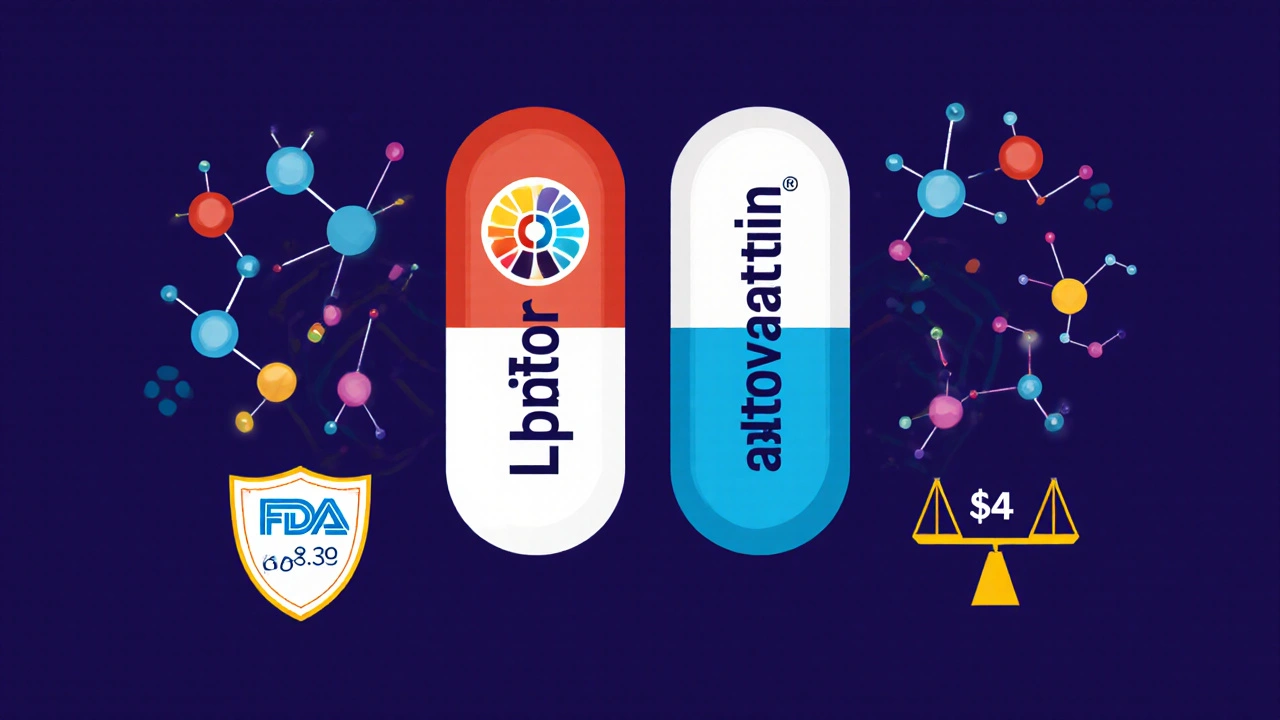
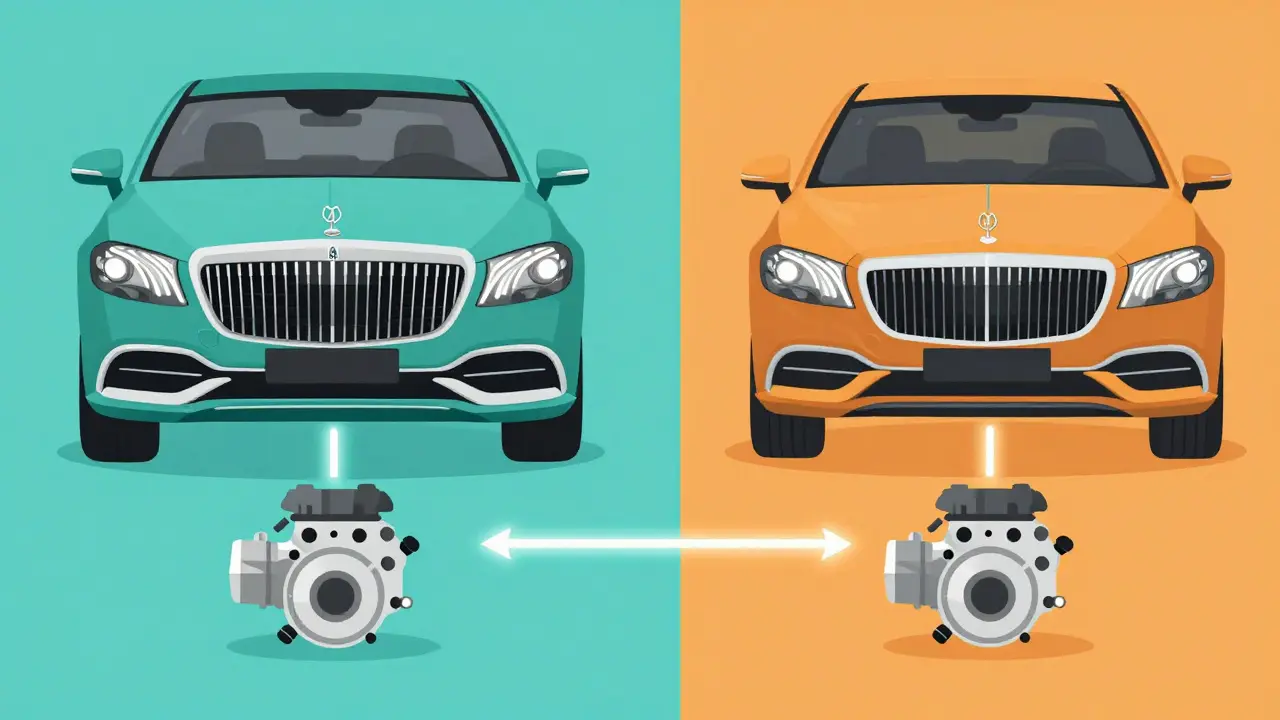
Think of a car. A Toyota Camry and a Lexus ES might look different on the outside, have different logos, and cost different amounts, but under the hood, they share many of the same mechanical parts. In the pharmaceutical world, the active ingredient is the engine. Whether the drug is sold as Lipitor or atorvastatin, the chemical compound that lowers your cholesterol is identical.
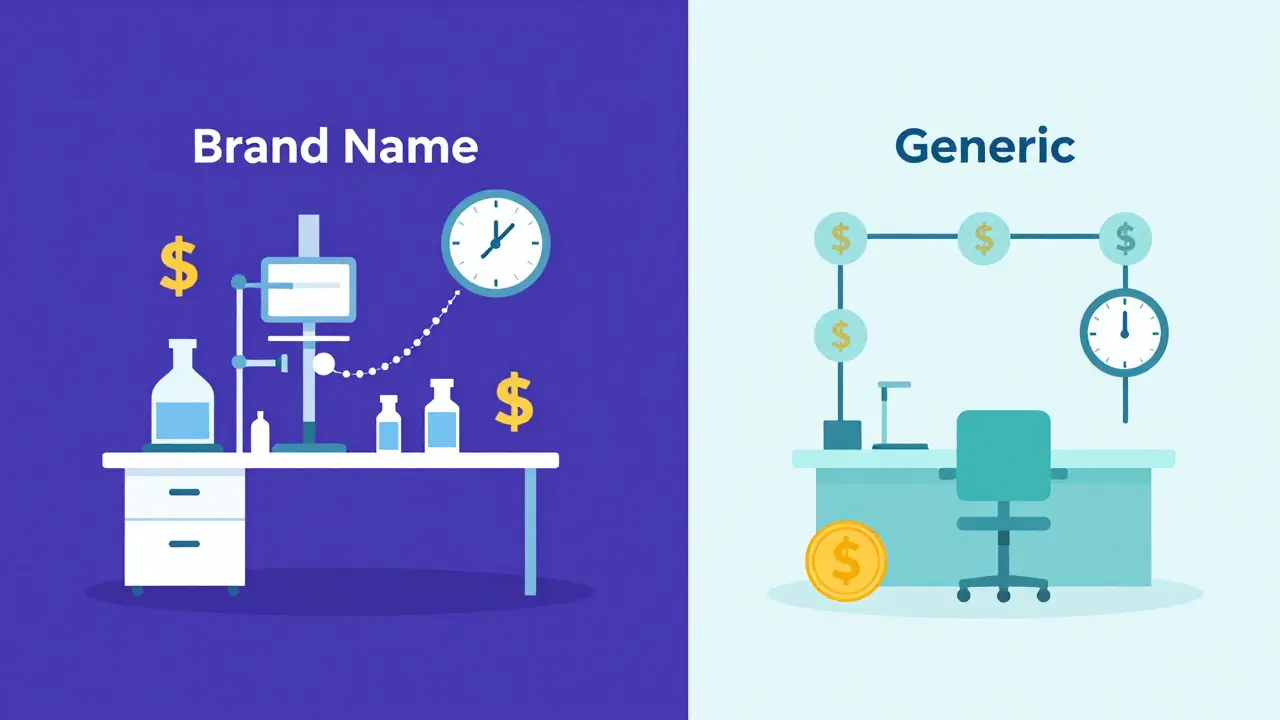
Brand-name drugs are the original products developed by pharmaceutical companies. These companies spend billions of dollars and years conducting clinical trials to prove their new drug is safe and effective. Once approved by the U.S. Food and Drug Administration (FDA), they hold a patent, giving them exclusive rights to sell the drug for a certain period. During this time, they set the price high to recoup those research costs.
Once that patent expires, other manufacturers can step in. This is where generic drugs come in. They contain the exact same active ingredient, in the same strength and dosage form (like a tablet or capsule). The only things that change are the inactive ingredients-things like fillers, binders, or dyes that give the pill its color and shape. Because generic manufacturers don’t have to repeat the expensive clinical trials, they can sell the drug for a fraction of the price.
Decoding the Prescription Label
When you pick up your medication, the label tells a specific story. By law, the label must clearly identify both the generic and brand names if applicable. Usually, the brand name appears in larger, bolder font because it’s the trademarked product name. The generic name, which is the scientific name of the active ingredient, sits below it in smaller text.
Why does this matter? Because insurance plans and pharmacists use the generic name to determine coverage. Most insurance policies will automatically substitute the generic version unless your doctor specifically writes "dispense as written" or "do not substitute." This is a legal requirement in many states to keep healthcare costs down. If you see a generic name on your label, it doesn’t mean you got the 'wrong' drug; it means you got the standard, cost-effective option that works exactly the same way.
| Feature | Brand-Name Drug | Generic Drug |
|---|---|---|
| Active Ingredient | Original chemical compound | Identical chemical compound |
| Cost | High (covers R&D costs) | Low (80-85% cheaper on average) |
| Apearance | Distinctive color/shape (trademarked) | Varies (cannot mimic brand appearance) |
| Regulatory Approval | Full clinical trials required | Bioequivalence testing required |
| Therapeutic Effect | Proven efficacy | Identical efficacy |
The Science of Bioequivalence: Why Generics Work
You might wonder, "If they’re made by different companies, how do we know they work the same?" The answer lies in bioequivalence. Before the FDA approves a generic drug, the manufacturer must prove that it performs identically to the brand-name reference drug in the body.
This isn’t a casual check. The FDA requires rigorous testing. Specifically, the generic drug must deliver the same amount of active ingredient into your bloodstream over the same amount of time. Technically, the 90% confidence interval for the ratio of population geometric means for AUC (area under the curve) and Cmax (maximum concentration) must fall within 80-125%. In plain English? The generic absorbs and acts in your body just like the brand name. There is no clinically significant difference in how well it treats your condition.
This framework was established by the Hatch-Waxman Act of 1984. This legislation created the abbreviated approval pathway for generics while protecting innovator patents. It struck a balance that has since allowed generic drugs to make up about 90% of all prescriptions filled in the U.S., saving the healthcare system trillions of dollars.
Why Do Pills Look Different?
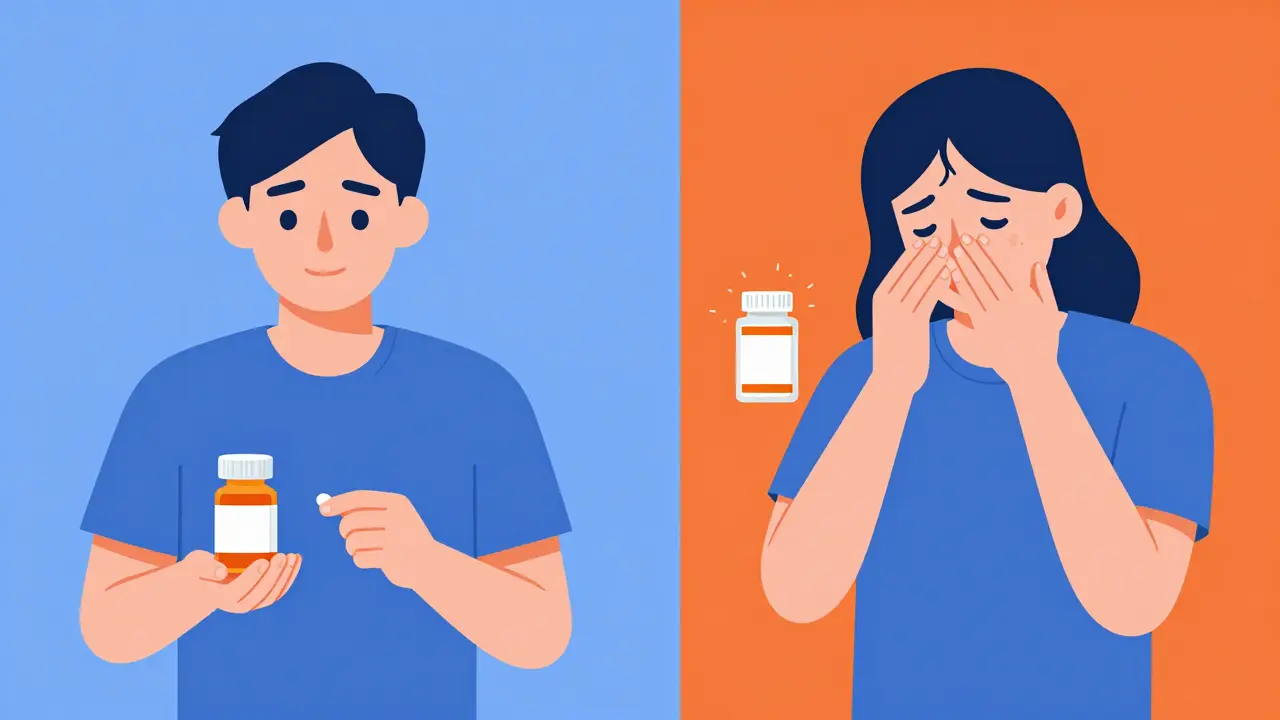
If you switched from a brand-name drug to a generic, you might notice the pill looks completely different. Maybe it’s a different color, shape, or size. This often causes anxiety. Patients sometimes think, "It looks wrong, so it must be weaker."
Here’s the reality: Trademark laws prevent generic manufacturers from copying the exact look of the brand-name drug. If a generic looked identical to the brand, it could confuse consumers or dilute the brand’s trademark. So, manufacturers use different dyes and shapes. However, these inactive ingredients do not affect how the drug works. The therapeutic outcome remains identical.
That said, there is a rare exception. Some people may have allergies or sensitivities to specific inactive ingredients, such as lactose or certain dyes. If you experience unusual side effects after switching to a generic, talk to your pharmacist. They can check if an inactive ingredient is the culprit and switch you to a different generic manufacturer or back to the brand name if medically necessary.
When Brand Names Might Be Necessary
While generics are safe and effective for the vast majority of patients, there are narrow exceptions. These involve drugs with a narrow therapeutic index (NTI). NTI drugs are medications where even a tiny variation in blood concentration can lead to serious health issues. Examples include warfarin (a blood thinner) and levothyroxine (for thyroid conditions).
For these drugs, some doctors prefer patients stay on one specific manufacturer’s product-whether brand or generic-to ensure consistency. The FDA maintains a list of these drugs. If you are on an NTI medication, ask your doctor if switching between brands and generics is safe for your specific case. For less than 1% of medications, this level of caution is warranted.
Cost Savings: The Real Benefit
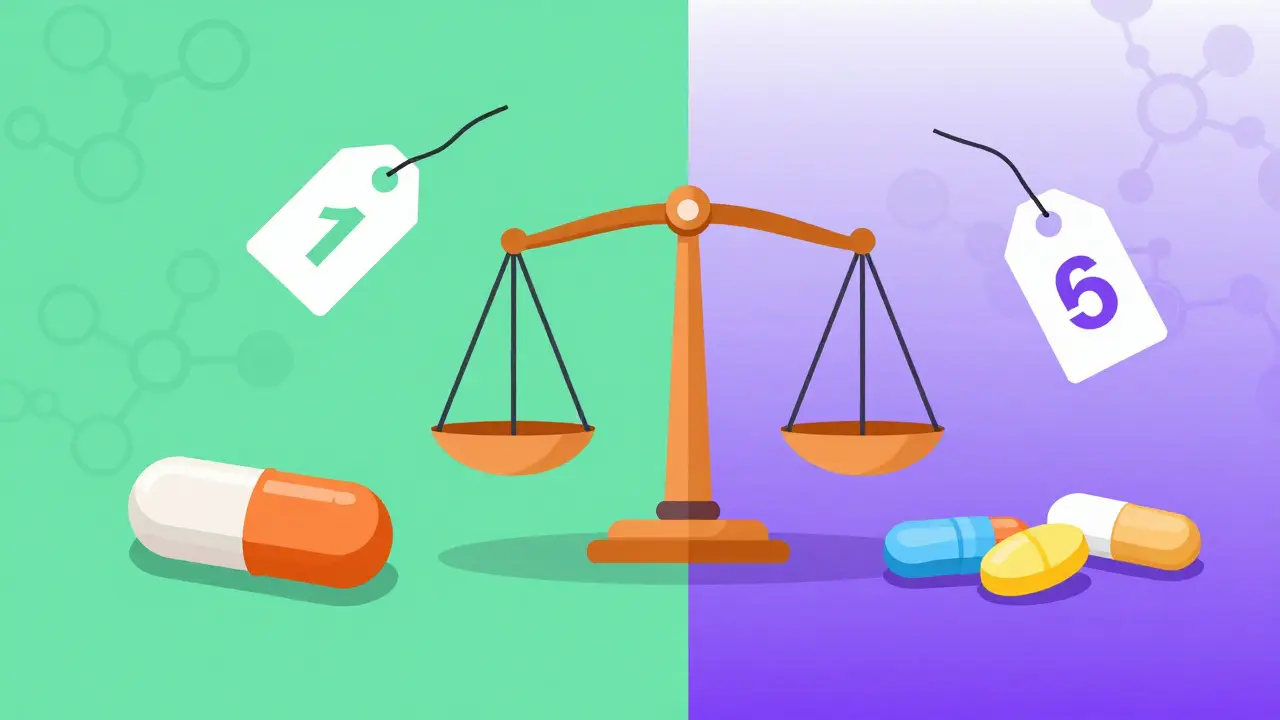
The most obvious benefit of generic drugs is the price. According to data from GoodRx, generic drugs typically cost 80-85% less than their brand-name counterparts. For example, a month’s supply of brand-name Lipitor might cost around $300, while the generic atorvastatin could cost as little as $4.
Where does the brand-name drug go for that extra money? Mostly toward research and development. Developing a new drug costs an average of $2.6 billion and takes over a decade. Generic manufacturers skip this step because they rely on the existing safety and efficacy data of the brand-name drug. This allows them to offer the same medical benefit at a fraction of the cost.
In fact, from 2007 to 2016, generic drugs saved the U.S. healthcare system an estimated $1.67 trillion. As more biologic drugs lose patent protection, similar savings are expected through biosimilars, though these currently offer smaller discounts (15-30%) compared to small-molecule generics.
Common Misconceptions About Generics
Misinformation spreads easily, especially when it comes to health. Let’s clear up a few myths:
- "Generics are lower quality." False. All generic drugs must meet the same strict manufacturing standards as brand-name drugs. The FDA inspects facilities regularly to ensure quality control.
- "Brands are safer." Not necessarily. Both undergo rigorous testing. In fact, because generics are produced by multiple manufacturers, competition can drive higher quality standards.
- "My doctor didn’t prescribe the generic." Doctors often write prescriptions using the generic name anyway. Even if they write the brand name, pharmacists are usually legally allowed to substitute the generic unless told otherwise.
Patient satisfaction surveys show that 78% of patients are happy with generic medications once they understand they are equivalent. The remaining concerns often stem from confusion about pill appearance or lack of education.
What Should You Do Next?
If you’re looking at your prescription label and feeling unsure, start by talking to your pharmacist. They are the experts in medication equivalence. Ask them:
- Is this generic bioequivalent to the brand name?
- Are there any inactive ingredients I should be aware of?
- Does my insurance require me to take the generic?
Don’t hesitate to request a copy of the patient information leaflet, which details both the active and inactive ingredients. Knowledge empowers you to make informed decisions about your health without paying for marketing hype.
Can I ask my pharmacist to give me the brand name instead of the generic?
Yes, you can request the brand name, but your insurance may not cover the full cost. You might have to pay the difference out-of-pocket. Insurance plans often incentivize generic use to reduce overall healthcare spending. If you have a valid medical reason to need the brand, your doctor can write "dispense as written" on the prescription.
Do generic drugs have the same side effects as brand-name drugs?
Generally, yes. Since the active ingredient is the same, the side effect profile is identical. However, rare reactions to inactive ingredients (like dyes or fillers) can occur. If you notice new or unusual side effects after switching to a generic, consult your healthcare provider.
Why do some pharmacies charge different prices for the same generic drug?
Pharmacies buy drugs from various wholesalers and manufacturers. Prices fluctuate based on supply chain dynamics, bulk purchasing agreements, and local competition. Additionally, some generic manufacturers may have temporary shortages, causing prices to rise. Using tools like GoodRx or comparing local pharmacy prices can help you find the best deal.
Is it safe to switch between different generic manufacturers?
For most drugs, yes. All FDA-approved generics must meet bioequivalence standards. However, for narrow therapeutic index (NTI) drugs like warfarin, consistent manufacturer sourcing is recommended to avoid minor variations in absorption. Always inform your doctor if your pharmacy switches manufacturers.
How can I tell if my medication is generic or brand name?
Check the prescription label. The brand name is usually in larger, bold letters, while the generic name (the active ingredient) is in smaller print below it. If only one name appears and it sounds scientific (e.g., metformin), it’s likely the generic. You can also ask your pharmacist directly.