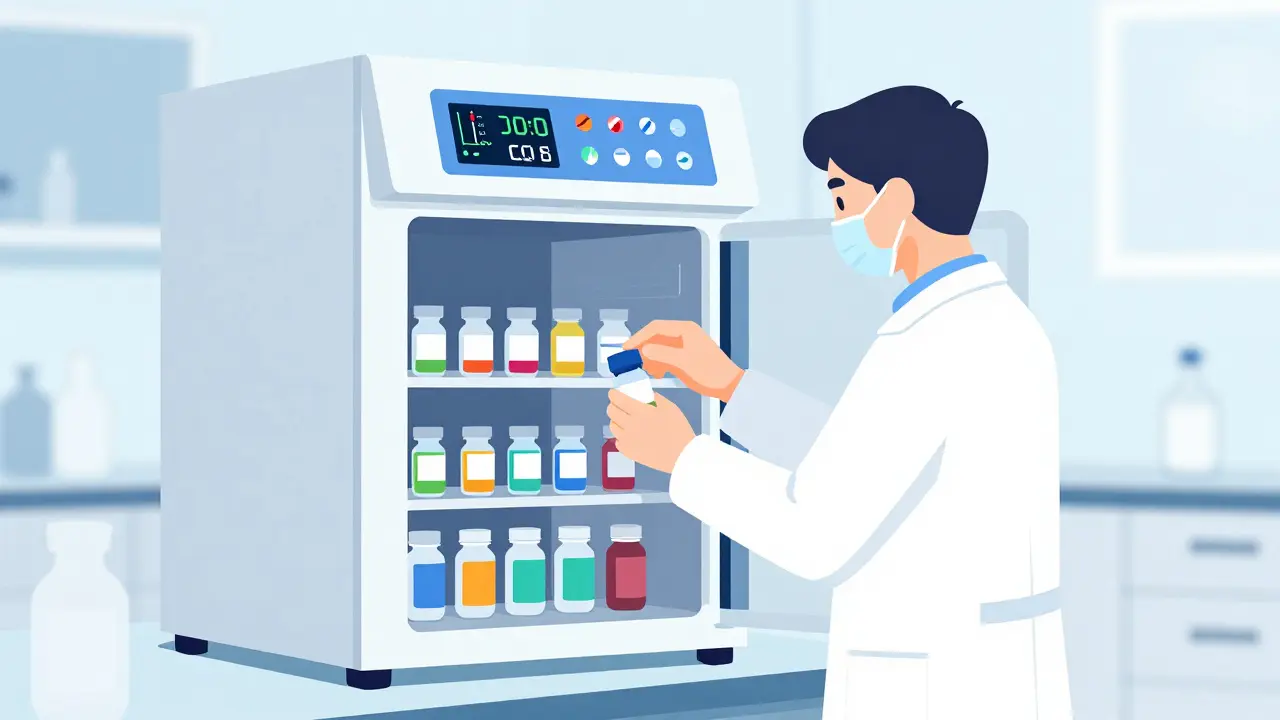
Imagine buying a bottle of medication that looks perfect on the outside but has silently lost its potency inside. This isn't just a hypothetical nightmare; it is a real risk that stability testing prevents. Stability testing is the systematic process where manufacturers monitor how drugs change over time under specific environmental conditions. It answers a critical question: will this medicine remain safe and effective until the patient takes it?
This practice is not optional guesswork. It is a rigorous scientific requirement established by global regulatory bodies like the International Council for Harmonisation (ICH) and the U.S. Food and Drug Administration (FDA). Without these long-term monitoring protocols, we would have no reliable expiration dates, no clear storage instructions, and a much higher rate of drug recalls due to quality failures.
Key Takeaways
- Stability testing determines shelf life: It provides the data needed to set accurate expiration dates and storage conditions for pharmaceutical products.
- Regulatory compliance is mandatory: Manufacturers must follow ICH Q1A(R2) guidelines to submit stability data with New Drug Applications (NDAs).
- Patient safety depends on it: In 2021, 17.3% of FDA drug recalls were linked to stability issues like potency loss or harmful degradation.
- Costs are significant but necessary: A single stability study can cost $50,000-$150,000, but it prevents far more expensive market withdrawals.
- Technology is evolving: AI and continuous manufacturing are beginning to shorten testing timelines from years to months.
What Is Stability Testing and Why Does It Matter?
At its core, Stability testing is a scientific method used to determine how the quality of a drug substance or product varies with time under the influence of various environmental factors such as temperature, humidity, and light. When you see an expiration date on a prescription bottle, that number didn't come from thin air. It was calculated based on months or even years of data collected in controlled environments.
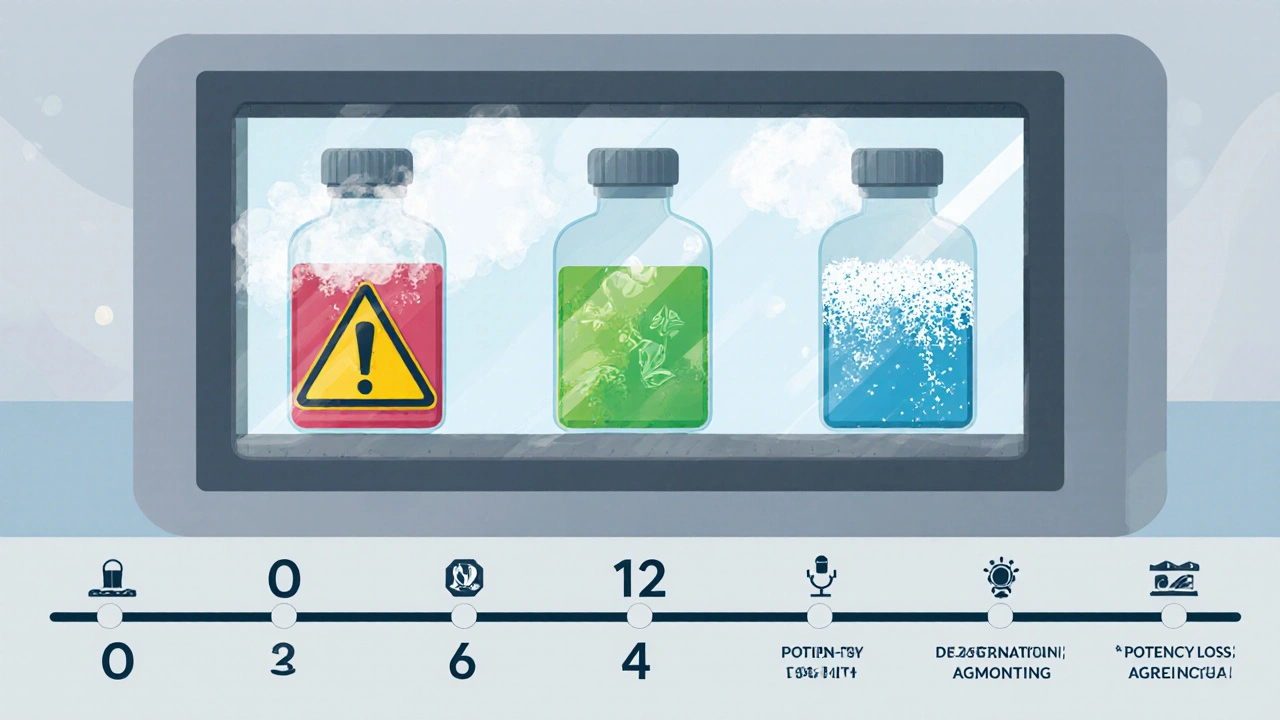
The primary goal is to ensure that the Active Pharmaceutical Ingredient (API) remains within specified limits throughout its shelf life. If a drug degrades too quickly, it might stop working. Worse, some degradation products can be toxic. For instance, certain antibiotics break down into compounds that can cause allergic reactions. Stability testing catches these changes before they reach patients.
Consider the 2022 FDA report which revealed that 17.3% of all drug recalls in 2021 were directly related to stability issues. These weren't minor packaging errors; they involved potency loss and degradation products exceeding safe limits. This statistic highlights why stability testing is less of a bureaucratic hurdle and more of a vital patient safety net.
How Stability Testing Works: The Technical Process
The process involves placing packaged drug products into specialized stability chambers. These chambers maintain precise temperature and humidity levels that mimic different climate zones around the world. According to ICH Q1A(R2) is the international guideline that defines the standard conditions and protocols for stability testing of new drug substances and products., there are two main types of testing conditions:
- Long-term testing: For temperate climates, samples are stored at 25°C ± 2°C / 60% RH ± 5% RH. For hot and humid climates, it’s 30°C ± 2°C / 65% RH ± 5% RH. Samples are tested at regular intervals-typically 0, 3, 6, 9, 12, 18, 24, and 36 months.
- Accelerated testing: Samples are exposed to harsher conditions, usually 40°C ± 2°C / 75% RH ± 5% RH, for six months. This helps identify potential stability problems early in development.
During these intervals, scientists analyze the drug for physical changes (like color or pH), chemical properties (assay strength and impurities), and microbiological characteristics (sterility). Every analytical method used must be "stability-indicating," meaning it can specifically detect the active ingredient and distinguish it from any degradation products.
| Condition Type | Temperature | Humidity (RH) | Duration | Purpose |
|---|---|---|---|---|
| Long-Term (Temperate) | 25°C ± 2°C | 60% ± 5% | Up to 36 months | Determine actual shelf life |
| Long-Term (Hot/Humid) | 30°C ± 2°C | 65% ± 5% | Up to 36 months | Determine shelf life for tropical regions |
| Accelerated | 40°C ± 2°C | 75% ± 5% | 6 months | Identify rapid degradation risks |
| Photostability | N/A | N/A | Exposure-based | Test sensitivity to light (1.2M lux hours) |
The Cost of Quality: Investment vs. Risk
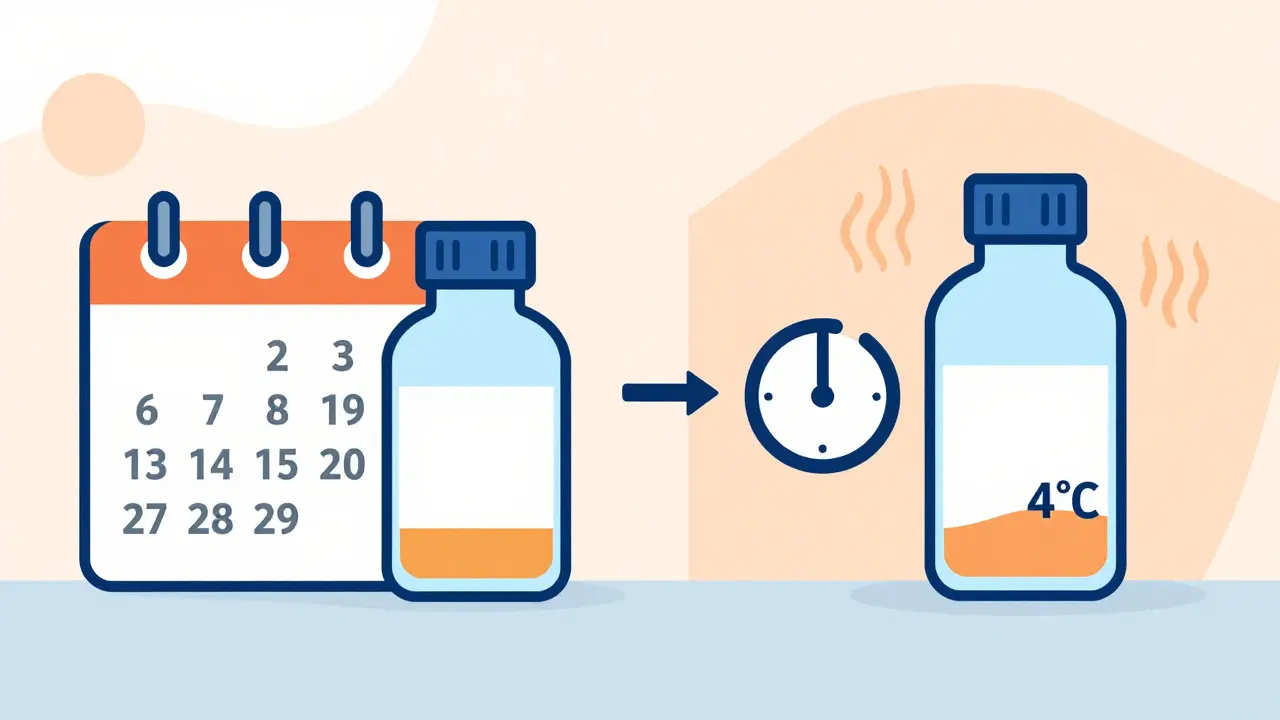
Running a robust stability program is expensive. Major pharmaceutical companies invest between $500,000 and $2 million annually in stability infrastructure alone. A single stability study for a new product formulation can cost between $50,000 and $150,000, according to a 2023 industry survey by QbD Group. However, compare this to the cost of a recall. When a drug fails post-market due to undetected instability, the financial and reputational damage is catastrophic.
In 2022, SGS published a case study where stability testing identified a critical interaction between a new biologic drug and its container closure system. Because this issue was caught during pre-approval testing, the company avoided a potential $500 million launch failure. Conversely, a manufacturer who failed to investigate out-of-specification (OOS) stability results for a cancer drug received an FDA complete response letter, delaying approval by 14 months and costing millions in lost revenue.
The return on investment isn't just financial; it's operational. Dr. Jennifer Orme, VP of Quality at Pfizer, noted in the Journal of Pharmaceutical Innovation that robust stability programs reduced post-market recalls by 31% since 2015. Early identification of stability issues allows formulators to tweak packaging or composition before mass production begins.
Challenges in Implementation and Maintenance
Even with the best intentions, stability testing faces practical hurdles. One of the biggest challenges is maintaining strict environmental control. A discussion on r/pharmaceuticals highlighted a technician’s experience where recurring humidity excursions in stability chambers caused three-month data gaps. This single error delayed an Abbreviated New Drug Application (ANDA) submission by eight months, costing an estimated $2.3 million.
To prevent such issues, facilities must perform quarterly temperature mapping studies, which cost approximately $8,500 per chamber. Additionally, data integrity is paramount. The Parenteral Drug Association reports that companies using electronic stability data management systems reduce data review time by 55% compared to paper-based methods. However, validating these electronic systems takes 6-9 months of effort.
Another challenge is the sheer volume of data. ICH Q1D requires storing stability data for one year beyond the product’s expiration date. For a large portfolio, this means managing terabytes of analytical results while ensuring every deviation triggers a formal OOS investigation directed by Quality Assurance.

Future Trends: AI and Continuous Manufacturing
The landscape of stability testing is shifting. Traditional real-time studies take 24-36 months, which slows down drug development. Enter artificial intelligence. PhRMA predicts that AI and machine learning will reduce stability testing timelines by 30-40% by 2027. By modeling degradation pathways computationally, scientists can predict shelf life more accurately without waiting for full calendar years of data.
Furthermore, the FDA released draft guidance in 2023 on continuous manufacturing stability protocols. Unlike traditional batch-based testing, continuous manufacturing requires real-time monitoring throughout the production process. The finalized ICH Q13 guideline establishes new requirements for this approach, aiming for full implementation by 2025. This shift promises greater consistency and faster feedback loops, potentially reducing the need for extensive long-term sampling for well-characterized products.
Frequently Asked Questions
Why is stability testing required for generic drugs?
Generic drugs must demonstrate bioequivalence to their brand-name counterparts, which includes proving they remain stable over time. Regulatory agencies require stability data to ensure that the generic version does not degrade faster or produce different impurities than the original drug, guaranteeing patient safety and efficacy.
What happens if a drug fails stability testing?
If a drug fails stability testing, it may result in a shortened shelf life, stricter storage requirements (e.g., refrigeration), or reformulation of the product. In severe cases where degradation produces toxic byproducts, the product may be rejected by regulators, leading to significant delays or cancellation of the drug launch.
Can accelerated stability testing replace long-term testing?
No, accelerated testing cannot fully replace long-term testing. While it helps identify potential stability issues early, it often exaggerates degradation rates. Real-time long-term data is required by regulators to establish the final expiration date because accelerated models do not always predict complex, slow-moving chemical changes accurately.
How does packaging affect stability testing?
Packaging plays a crucial role in protecting drugs from moisture, oxygen, and light. Stability testing evaluates the entire package-drug combination. For example, a blister pack might offer better moisture protection than a bottle with a desiccant. If the packaging fails to protect the drug, the stability data will reflect increased degradation, prompting a change in packaging material.
What is the role of ICH guidelines in stability testing?
The International Council for Harmonisation (ICH) develops globally accepted guidelines, such as ICH Q1A(R2), that standardize stability testing protocols. These guidelines ensure that data generated in one country is accepted by regulatory authorities in others, facilitating international drug approvals and reducing redundant testing.
actually you are wrong. stability testing is required by law because chemicals break down. if you take old antibiotics they might kill you or cause an allergic reaction. its not a conspiracy it is basic chemistry. people who ignore expiration dates are stupid and put themselves at risk. the fda has rules for a reason and we should follow them instead of listening to crazy theories online. just take the medicine as directed and stop complaining about the cost. it keeps you alive.
i found this really interesting actually. i never thought about how much money goes into keeping drugs stable. the ai part is cool too. maybe it will get cheaper soon. good read.
love this perspective on quality assurance! it is so important to remember that behind every pill there is a team of scientists working hard to ensure safety. the jargon can be heavy but the impact is real. we need more posts like this that explain the why behind the regulations. it helps us trust the process and appreciate the rigor involved in pharmaceutical development. lets keep supporting these vital practices!
the correlation between humidity excursions and delayed submissions is statistically significant yet often overlooked in casual discourse. the financial implications of oos results are severe. one must consider the systemic risks inherent in manual data entry versus electronic systems. the validation period of six to nine months is a bottleneck that requires strategic mitigation. ignoring these variables leads to catastrophic failure rates in regulatory approval processes.
hey guys i think this is super helpful info. i work in a pharmacy sometimes and see so many ppl asking about expired meds. this explains why we cant just give them out. also the typo in my comment sorry im typing fast. but yeah packaging matters a lot too. blister packs vs bottles is a big deal for moisture protection. hope this helps everyone understand the science better!
🧪✨ The epistemological framework of stability testing reveals the profound disconnect between layperson intuition and rigorous scientific methodology. 📚💊 One must contemplate the ontological status of degradation products-are they merely impurities or manifestations of entropy’s inevitable triumph? 🌌⏳ The ICH guidelines serve not merely as bureaucratic hurdles but as sacred texts preserving the sanctity of pharmacopeial standards. 🙏📜 Let us elevate our discourse beyond mere compliance and embrace the philosophical depth of quality assurance. 🎓🔬
this is such a great article!! i learned so much today. i always wondered why some meds need to be kept in the fridge and others dont. now i know its about stability testing. thanks for sharing this info it makes me feel safer taking my prescriptions. keep up the good work with these educational posts! 🌟