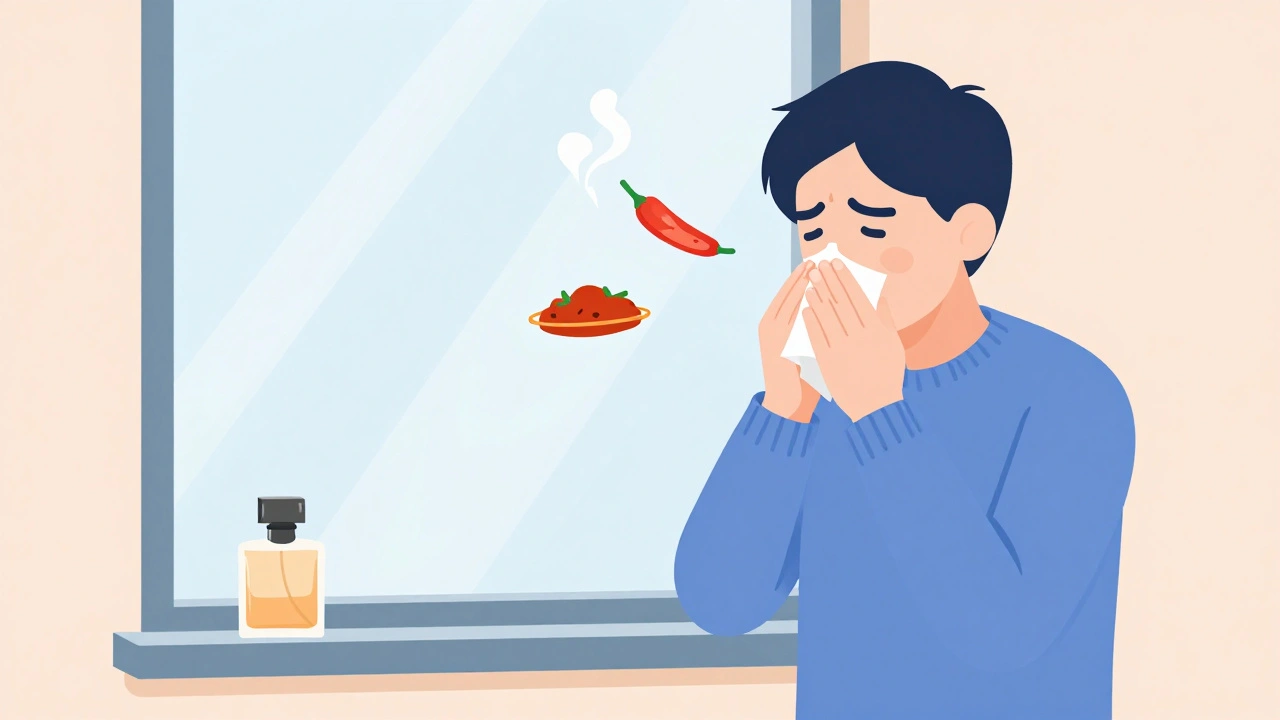
When your nose runs, feels stuffed up, or sneezes for no clear reason - and allergy tests come back negative - you’re not imagining it. You might have nonallergic rhinitis. It’s not caused by pollen, dust mites, or pet dander. Instead, it’s triggered by things most people don’t even think of as harmful: cold air, spicy food, perfume, or even a change in weather. Unlike allergic rhinitis, which affects about one in three people globally, nonallergic rhinitis hits roughly one in five adults in Western countries, and its numbers go up as you get older. It’s not rare. It’s just misunderstood.
What Exactly Is Nonallergic Rhinitis?
Nonallergic rhinitis is chronic inflammation in the nose that has nothing to do with IgE antibodies - the ones your body makes when you’re allergic. You won’t find eosinophils flooding your nasal passages like you would in an allergy flare-up. Instead, you’ll see neutrophils, which point to a different kind of reaction: one driven by nerves, not immunity.
The most common form, called vasomotor rhinitis, makes up 60-70% of cases. It’s not about inflammation in the traditional sense. It’s about your nasal blood vessels going haywire. Your autonomic nervous system - the part that controls things like heart rate and digestion - loses its balance. Too much parasympathetic activity means your nose gets too wet and too swollen. Studies show TRPV1 receptors, which sense heat and chemicals, are overactive in these patients. They react to things like cold air below 15°C, humidity swings over 20%, or even the smell of perfume at just 0.1 parts per million.
Symptoms last at least three months to qualify as chronic. That means you’re not dealing with a cold or a seasonal allergy - you’re living with a persistent, frustrating condition that doesn’t show up on standard allergy tests.
Eight Types, One Common Problem
Nonallergic rhinitis isn’t one thing. It’s a group of subtypes, each with its own trigger:
- Drug-induced: Happens in 4% of cases. ACE inhibitors (like lisinopril) cause symptoms in 20% of users. Beta-blockers affect 15%. Even over-the-counter NSAIDs like ibuprofen can trigger it in 10-15% of people.
- Gustatory rhinitis: Triggered by eating. Especially spicy food. Up to 60% of people over 65 get a runny nose after a hot meal. Capsaicin in chili peppers activates nerves in the nose at just 0.5 ppm.
- Hormonal rhinitis: Common during pregnancy - affects 20-30% of women, usually starting in the second trimester. Also seen in puberty and with thyroid problems.
- NARES (Nonallergic Rhinitis with Eosinophilia Syndrome): Only 5-10% of cases, but weirdly, eosinophils are present. It’s a mix of allergic and nonallergic features.
- Occupational: 15-20% of work-related breathing issues. Flour dust at 2 mg/m³, latex at 2 µg/m³, chemical fumes - all can set off symptoms.
- Senile rhinitis: Affects 25-30% of people over 70. Nasal tissues thin out, blood vessels become unstable.
- Atrophic rhinitis: Rare. Nasal passages dry out, crust form, smell fades.
- Idiopathic: No clear trigger. Just constant symptoms.
Knowing which type you have helps you target treatment. But most people never find out. In fact, primary care doctors correctly identify nonallergic rhinitis in only 25-30% of cases. The rest get labeled as allergic - and put on antihistamines that do nothing.
What Triggers Your Nose? The Real Culprits
You can’t avoid all triggers. But you can learn which ones hit you hardest. Here’s what science says about the most common irritants:
- Temperature changes: A drop or rise of more than 5°C in an hour can trigger symptoms. Walking outside on a chilly morning? That’s enough.
- Humidity swings: Going from dry indoor air to humid outdoor air - or vice versa - can make your nose flood.
- Smoke and fumes: Tobacco smoke at 0.05 mg/m³, wildfire smoke at 15 µg/m³ PM2.5, paint fumes at 50 ppm VOCs. Even candles and air fresheners can do it.
- Perfumes and scents: Fragrances at 0.1 ppm - less than a drop in a large room - are enough to set off a reaction.
- Alcohol: Blood alcohol levels above 0.02% (about one drink) can cause nasal congestion and runniness.
- Barometric pressure: A drop of just 5 mmHg - like before a storm - can make your nose swell.
- Medications: Beyond blood pressure drugs, hormone replacement therapy triggers symptoms in 8-12% of users.
One study found that 68% of people with nonallergic rhinitis feel frustrated because their triggers are invisible and unpredictable. You can’t test for them like you can for pollen. You have to track them yourself.
How to Manage It - Proven Strategies
There’s no cure. But there are proven ways to take back control. The key is layering approaches - not just one magic pill.
1. Avoid Triggers - It Works
Simple changes cut symptoms significantly:
- Use a HEPA air filter. Reduces symptoms by 35-40% by removing airborne irritants.
- Avoid strong scents. Swap scented candles for unscented. Use fragrance-free laundry detergent.
- For gustatory rhinitis: Eat cooler meals. Avoid very spicy foods. Drink water with meals to dilute capsaicin.
- If you’re on an ACE inhibitor and your nose runs constantly - talk to your doctor. Switching to a different blood pressure med can make a huge difference.
2. Nasal Saline Irrigation - The Foundation
This isn’t just a home remedy. It’s medical-grade first-line treatment. Studies show 60-70% of people get relief using saline rinses.
- Use isotonic (0.9%) saline daily. It’s gentle and hydrates.
- For thicker mucus or severe congestion, try hypertonic (3%) saline. It draws fluid out of swollen tissues.
- Twice daily is 45% more effective than once daily.
- Use a neti pot or squeeze bottle. Tilt your head sideways, breathe through your mouth. Don’t use tap water - use distilled or boiled and cooled water.
On Healthgrades, users rate saline irrigation 4.0/5. Common feedback: “I stopped needing sprays.” “My sense of smell came back.”
3. Ipratropium Bromide - The Runny Nose Killer
If your biggest problem is a constant drip, this nasal spray is your best friend. It blocks the nerve signals that make your nose leak.
- Reduces rhinorrhea by 70-80% within 48 hours.
- Works in 2 weeks - faster than steroids.
- Doesn’t help with congestion. Only the runny nose.
- Side effects? Dry nose, mild nosebleeds, bitter taste.
On Drugs.com, 62% of users give it a 4.2/5 rating. One review says: “I used to wipe my nose 20 times a day. Now I’m down to 2.”
4. Intranasal Corticosteroids - For Swelling
Fluticasone (Flonase), mometasone (Nasonex), or budesonide (Rhinocort) reduce inflammation and congestion. They’re not for runny noses - they’re for stuffiness.
- Reduces overall symptoms by 50-60%.
- Take daily. Takes 2-4 weeks to work fully.
- Side effects: Nosebleeds in 15-20% of users. Use the spray sideways, not straight back, to reduce risk.
It’s not a quick fix. But for people with chronic congestion, it’s life-changing.
5. Azelastine Nasal Spray - The Middle Ground
This antihistamine spray works better than oral antihistamines for nonallergic rhinitis. It’s not as strong as steroids, but it acts fast - within 1-2 hours.
- Reduces symptoms by 30-40%.
- Helps with both runny nose and congestion.
- Bitter taste in 30-40% of users. Spit out excess liquid, don’t swallow.
What Doesn’t Work - And Why
Most people with nonallergic rhinitis waste months - sometimes years - on the wrong treatments.
- Oral antihistamines (like cetirizine or loratadine): Useless. They don’t touch the nerve-driven mechanism. The American Academy of Otolaryngology now says not to use them.
- Allergen immunotherapy (allergy shots): Doesn’t work. You’re not allergic.
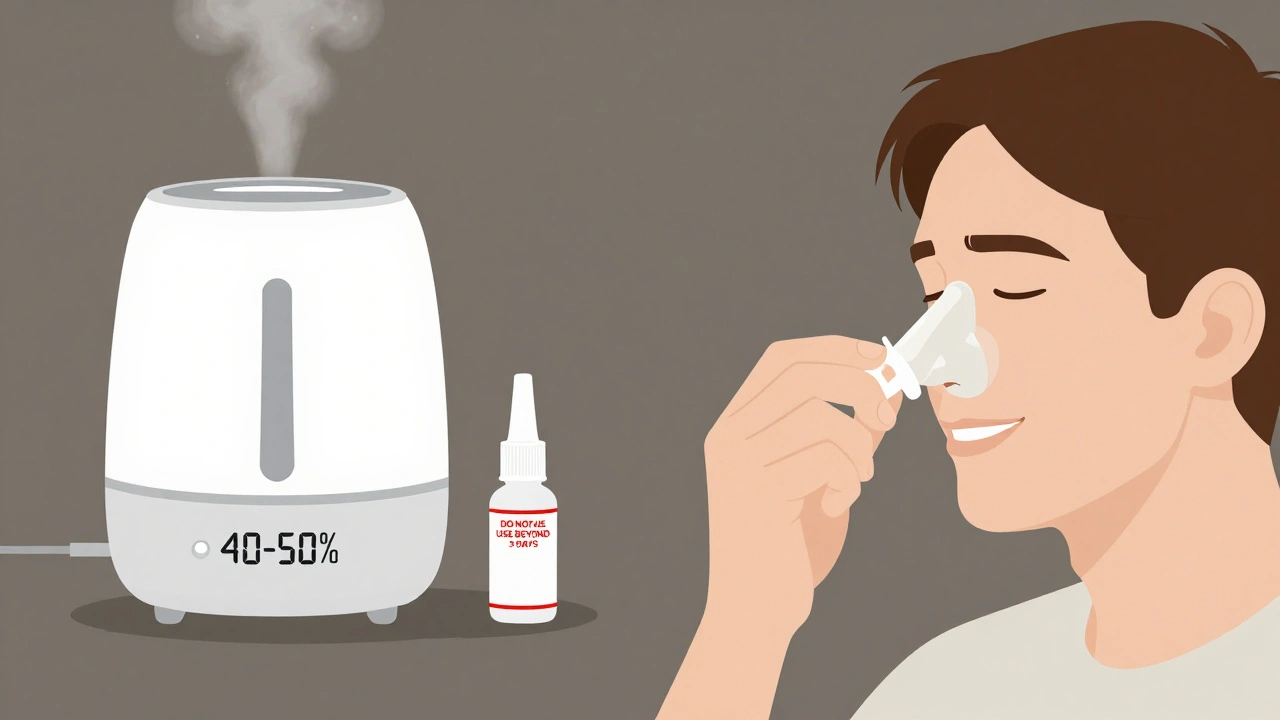
- Decongestant sprays (oxymetazoline, phenylephrine): Don’t use them for more than 3 days. They cause rebound congestion - rhinitis medicamentosa. You get hooked. Then your nose gets worse when you stop. Withdrawal takes 7-10 days. Use nasal steroids during withdrawal - it works in 85-90% of cases.
Dr. David Stukus, a leading allergist, says 30-40% of nonallergic rhinitis patients are misdiagnosed and given useless treatments. That’s a huge problem.
When to See a Specialist
If you’ve had symptoms for more than 3 months and allergy tests are negative, it’s time to see an ENT or allergist. You’ll need:
- A skin prick test or blood test to rule out allergies (95% sensitive for common allergens).
- A nasal endoscopy to check for polyps, deviated septum, or other structural issues.
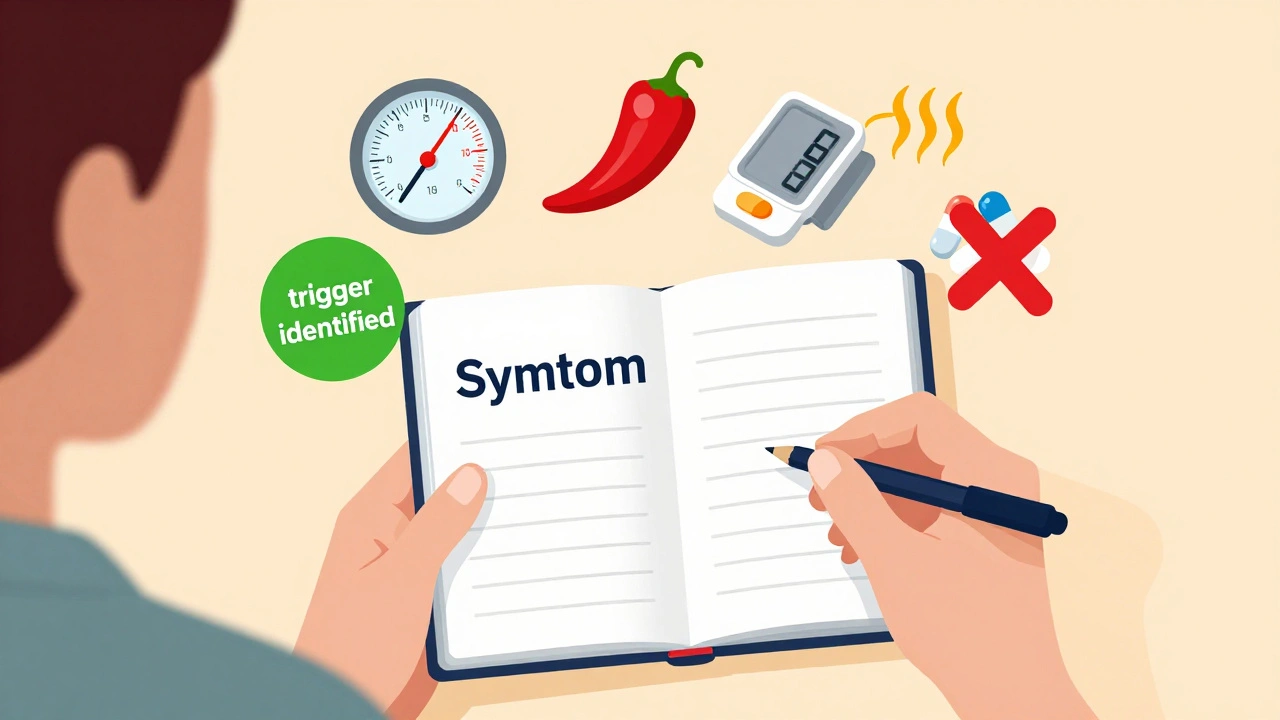
- A symptom diary for 4-6 weeks: Track temperature, humidity, food, medications, and symptoms daily.
Most people delay seeing a specialist for over 3 years. On Reddit’s r/allergies, 78% of respondents said they were misdiagnosed for years. Don’t wait. Your quality of life matters.
What’s Coming Next
Research is moving fast. A new nasal spray with a lower dose of ipratropium (0.03%) was approved in March 2023 - fewer side effects, same results.
The biggest hope? TRPV1 antagonists. These drugs block the overactive receptors that sense irritants. Phase 2 trials show 50-60% symptom reduction in tough cases. The FDA accepted a new drug, BCT-100, for review in September 2023.
Even more exciting: tiny devices that zap nerves in the nose with electricity. A Johns Hopkins pilot study showed a 45% drop in symptoms after 4 weeks of transnasal stimulation. No drugs. No sprays. Just a gentle electrical pulse.
For now, the tools we have work - if you use them right.
Real People, Real Results
On Facebook’s Nonallergic Rhinitis Support Group (12,500 members), the most common success story? Combination therapy.
“I use saline twice a day, ipratropium in the morning, and fluticasone at night. My nose doesn’t run anymore. I can go outside without a tissue.” - Sarah, 58, Wisconsin
“I stopped the decongestant spray. I started steroids. It took 3 weeks. I cried when I could breathe again.” - Mark, 42, Ohio
The biggest failure? People who don’t track triggers. They blame the weather, the air, their job - but never connect the dots.
One woman in New Zealand kept blaming her cat. Her allergy test was negative. She kept a diary. Turns out, her nose ran every time she turned on her wood stove. The smoke - not the cat - was the trigger.
Identifying your triggers is the first step. Managing them is the rest.
Can nonallergic rhinitis go away on its own?
Rarely. Most cases are chronic and last years - sometimes lifelong. But symptoms can improve if you avoid triggers or treat them properly. Hormonal rhinitis from pregnancy usually clears up within two weeks after birth. Drug-induced cases often resolve when you stop the medication. Other forms need ongoing management.
Is nonallergic rhinitis the same as sinusitis?
No. Sinusitis is an infection or inflammation of the sinuses - often with facial pain, fever, and thick yellow-green mucus. Nonallergic rhinitis affects the nasal lining only. You might feel pressure, but you won’t have a fever or pus. They can happen together, but they’re different conditions.
Why do I get a runny nose when I eat spicy food?
Spicy foods contain capsaicin, which activates TRPV1 receptors in your nose. These receptors are overactive in nonallergic rhinitis. When triggered, they send signals that make your nasal glands produce extra fluid - even though there’s no infection or allergy. This is called gustatory rhinitis. It’s common in older adults and not dangerous - just annoying.
Can stress make nonallergic rhinitis worse?
Yes. Stress affects your autonomic nervous system - the same system that’s already out of balance in nonallergic rhinitis. When you’re stressed, your body releases chemicals that can increase nasal blood flow and mucus production. Many patients report flare-ups during high-pressure periods - exams, work deadlines, or family crises.
Should I use a humidifier if I have nonallergic rhinitis?
It depends. Dry air can irritate your nose, so a humidifier might help. But if the humidity swings too much - say, from 30% to 70% - that can trigger symptoms. Use a hygrometer to keep indoor humidity between 40-50%. Clean the humidifier weekly to prevent mold. Too much moisture can make things worse.
Is it safe to use nasal sprays long-term?
Intranasal corticosteroids and ipratropium are safe for long-term use. They don’t cause addiction. The biggest risk with corticosteroids is nosebleeds - use the spray sideways, not straight back. Avoid decongestant sprays (like Afrin) beyond 3 days. They cause rebound congestion and can lead to rhinitis medicamentosa, which is harder to treat.
Can children get nonallergic rhinitis?
Yes. It’s less common than in adults, but it happens. Kids with persistent nasal symptoms and negative allergy tests may have it. Hormonal triggers like puberty can start it. Drug-induced cases are rare but possible if they’re on certain medications. Diagnosis in children requires careful testing to rule out allergies, infections, or structural issues.
Why do I feel better in the morning and worse in the afternoon?
Your body’s internal clock affects nasal function. In the afternoon, parasympathetic activity naturally increases, which can worsen nasal congestion and runniness in people with nonallergic rhinitis. Also, exposure to triggers throughout the day - like office air, perfumes, or temperature changes - builds up. Morning symptoms might be from overnight dryness or sleeping with your mouth open.
If you’ve been told it’s allergies and nothing helps - you’re not alone. But you’re not stuck. With the right tools and a little patience, you can take back your breathing.
Stop taking antihistamines. They do nothing. Just stop.
One must observe with clinical precision that the pathophysiological underpinnings of nonallergic rhinitis, particularly the dysregulation of the autonomic nervous system vis-à-vis TRPV1 receptor hyperactivity, constitute a paradigmatic failure of modern allopathic medicine to account for neuro-immunological interplay. The reliance on saline irrigation, while empirically benign, reflects a reductionist approach that neglects the holistic bioenergetic imbalance inherent in such chronic mucosal dysautonomia.
Okay but like… have you heard about the NEW TRPV1 antagonists?? 🤯 I mean, this is literally the future of nasal health. BCT-100 is gonna be HUGE. Imagine not having to spray your nose every morning. It’s not just treatment-it’s a lifestyle upgrade. I’m already pre-ordering my subscription to the clinical trial waitlist. This is peak biohacking.
weird how the body just… reacts. like it knows things before you do. i used to think it was stress. then i realized it was the heater turning on at 7am. no allergy test would ever catch that. you don’t need a doctor to know your nose hates your house. you just need to pay attention. and maybe stop using that lavender candle.
So this is just another way for Big Pharma to sell you sprays while the government hides the real cause: 5G towers and EMF pollution. They don’t want you to know your nose is reacting to the wifi in your walls. I stopped using all meds. Now I sleep in a Faraday cage. My nose hasn’t run since.
Wait, so you’re telling me the answer isn’t just ‘stop being so sensitive’? I mean, I’ve had a runny nose since college and I just thought I was weak. Maybe I’m not broken-maybe the world is just too loud. And the perfume? That’s not a trigger. That’s a moral failing. Why do people wear that stuff? It’s assault.
Saline irrigation? In India, we just use salt water from the tap. And we don’t have 50 types of rhinitis. We have one: too much dust. You’re overcomplicating this. Also, why is everyone in the US so obsessed with nasal sprays? You don’t need a PhD to breathe.
Medical guidelines are corrupted by pharmaceutical lobbying. The FDA approved ipratropium because it’s profitable, not because it’s effective. Saline is free. Why are doctors pushing paid treatments? This is systemic fraud. And don’t get me started on steroids-your immune system doesn’t need to be suppressed for a runny nose.
the thing nobody says is that your nose is just tired. like your brain, your nose gets worn out from all the chemicals and noise and stress. you’re not allergic to perfume. you’re allergic to modern life. maybe the real cure is silence. and a nap.
My grandpa didn’t need no fancy spray. He lived in a cabin, chopped wood, and never had a runny nose. You people are weak. This country’s gone soft. Go outside. Breathe cold air. Stop complaining. Build resilience. Not another damn nasal rinse.
I just want to say how much this post means to me. For years I felt like I was imagining it-like I was being dramatic for having to carry tissues everywhere. I thought I was just ‘that person.’ But reading this, I realized I’m not broken. I’m not lazy. I’m not overreacting. I have a real condition that’s been ignored by doctors for too long. Thank you for writing this. I’m starting saline rinses tomorrow. And I’m keeping a trigger journal. I finally feel seen.