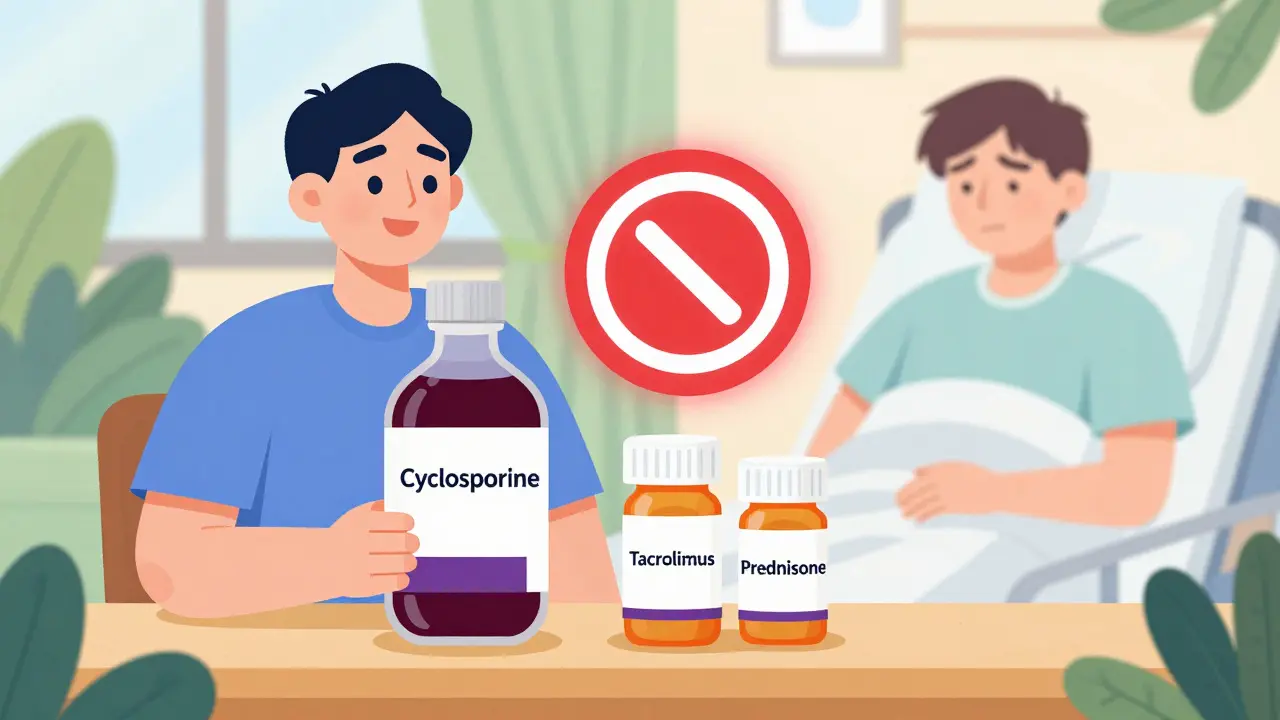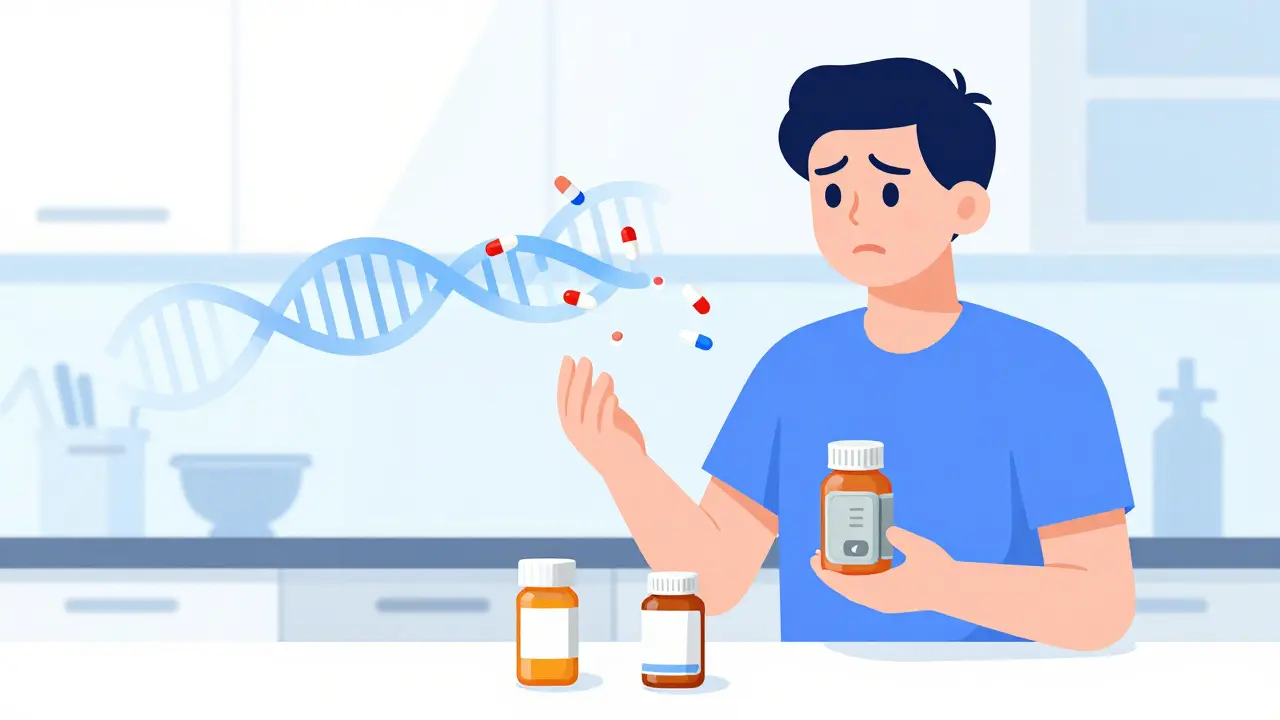
You take your morning blood pressure pill. You pop an antibiotic for a throat infection. You reach for pain relief after a workout. It sounds routine, but what if one of those pills changes how your body processes the others? This is where Pharmacogenomics is the study of how genetic variations affect individual responses to medications. Traditionally, doctors prescribe based on averages. But averages don't account for your unique DNA. Your genes dictate how quickly you break down drugs, which can turn a safe dose into a toxic overdose or render a life-saving medication useless.
The risk isn't just theoretical. Adverse drug reactions (ADRs) cost the U.S. healthcare system roughly $30 billion annually. When you add multiple medications to the mix-a practice known as polypharmacy-the danger multiplies. Understanding how your genetics influence these interactions is no longer a futuristic concept; it is becoming a critical part of modern patient safety.
The Hidden Factor in Drug Interactions
Most people know about drug-drug interactions (DDIs). For example, grapefruit juice can block the enzyme that breaks down certain statins, leading to dangerous levels of the drug in your bloodstream. But there is a third player in this equation: your genes. This creates what experts call gene-drug-drug interactions (DDGIs).
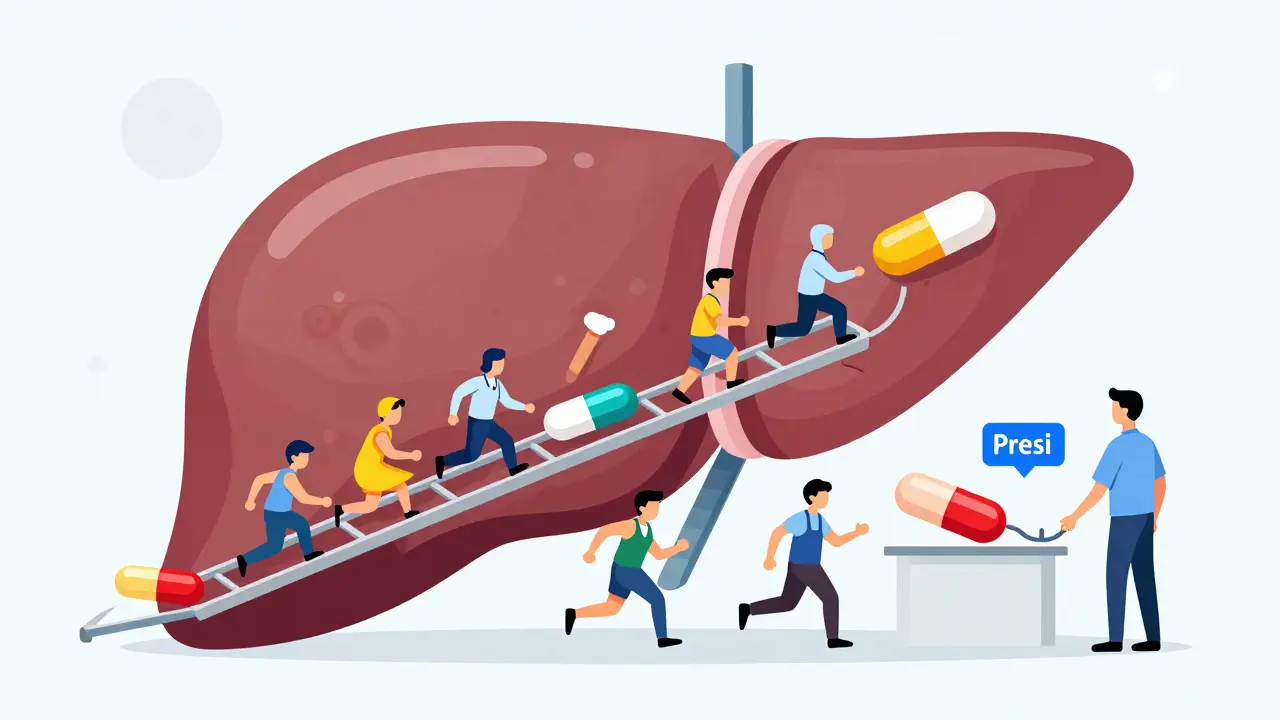
Imagine your liver as a factory with assembly lines. The workers on these lines are enzymes, primarily from the Cytochrome P450 family, such as CYP2D6 and CYP2C19. Some people have fast workers (ultra-rapid metabolizers), some have average workers (normal metabolizers), and some have very slow or missing workers (poor metabolizers). If you are a poor metabolizer, a standard dose of a drug stays in your system longer, increasing its effect and the risk of side effects. Now, imagine taking a second drug that acts like a supervisor who tells the workers to slow down even further. That is a DDGI.
| Interaction Type | Mechanism | Clinical Result |
|---|---|---|
| Inhibitory | A drug blocks the enzyme responsible for metabolism. | Drug levels rise, potentially causing toxicity. |
| Inductive | A drug speeds up enzyme production. | Drug levels drop, reducing effectiveness. |
| Phenoconversion | A drug temporarily alters your genetic phenotype. | Your genetic profile becomes irrelevant while on the interacting drug. |
Why Traditional Checkers Miss the Mark
If you use online drug interaction checkers, you might get a green light when you should be cautious. Traditional databases identify tens of thousands of potential drug-drug interactions, but they ignore your genetic makeup. A 2022 study published in the American Journal of Managed Care revealed a startling gap: when genetic polymorphisms were considered, the estimated probability of any interaction impact increased by over 90%. The probability of major impact interactions rose by more than 30%.
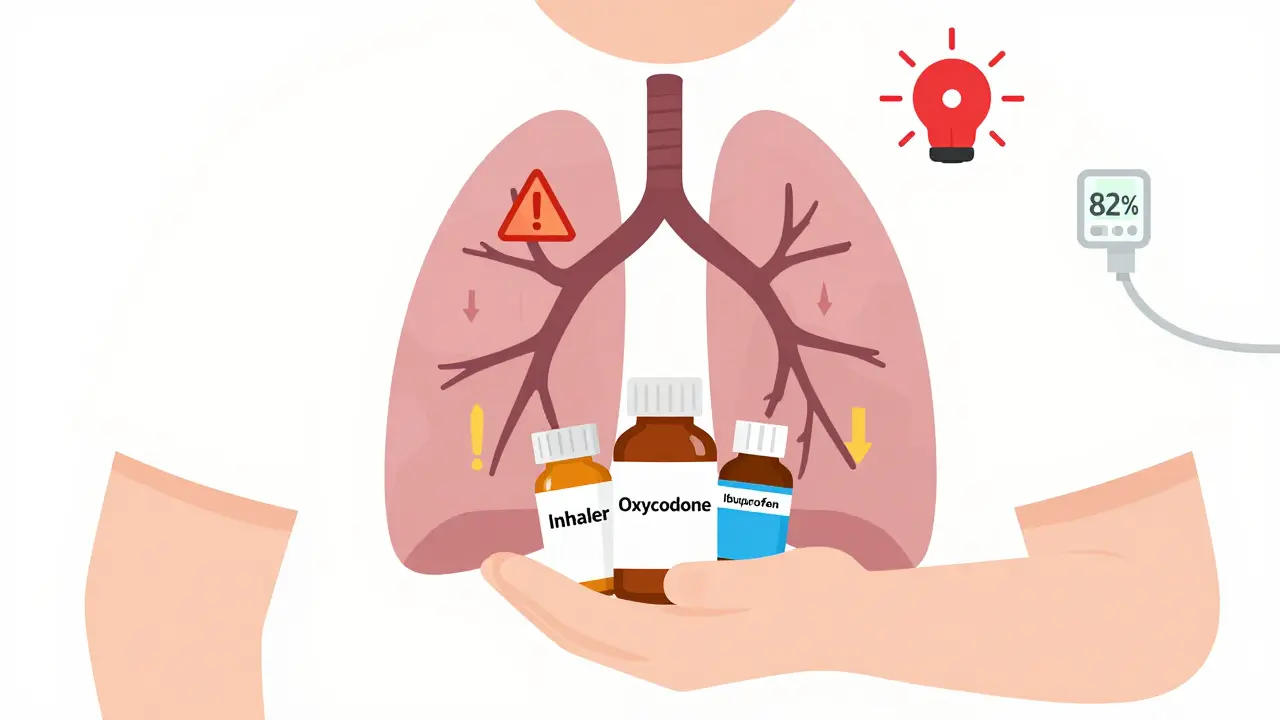
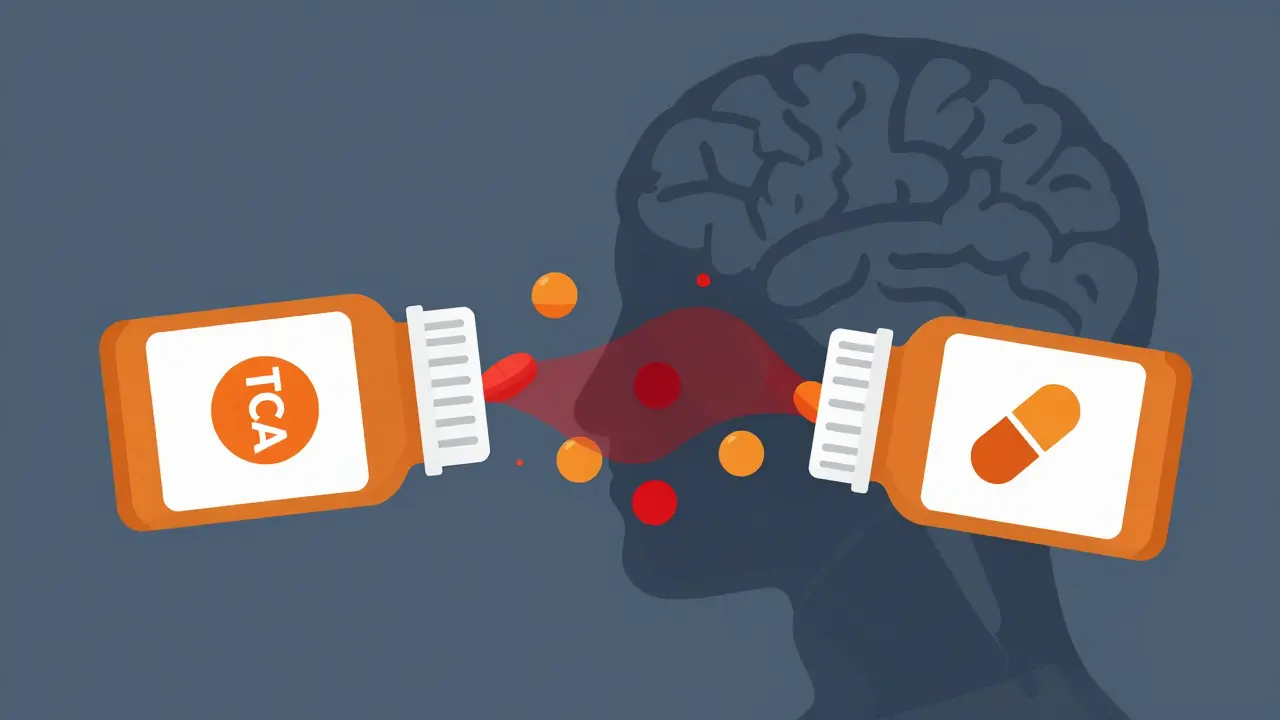
This means that two people taking the exact same combination of antidepressants and painkillers could have vastly different outcomes. One person might experience mild drowsiness, while the other faces severe respiratory depression because their specific genetic variant slows down the breakdown of both drugs. Relying solely on traditional checkers leaves patients vulnerable to these hidden risks.
Key Enzymes and High-Risk Drugs
Not all drugs are created equal when it comes to genetic sensitivity. Certain classes of medications are particularly prone to significant pharmacogenomic interactions. Antidepressants, antipsychotics, anticoagulants, and opioids are among the most common culprits.
- CYP2D6: This enzyme metabolizes about 25% of all commonly prescribed drugs, including codeine, tamoxifen, and many SSRIs. If you have a non-functional CYP2D6 gene, codeine may provide no pain relief because it cannot convert into morphine. Conversely, ultra-rapid metabolizers might convert too much codeine into morphine, risking overdose.
- CYP2C19: Critical for processing clopidogrel (Plavix), a blood thinner used after heart attacks. Poor metabolizers may not activate the drug effectively, leaving them at higher risk for clots.
- TPMT: Patients with low TPMT activity face a high risk of severe bone marrow suppression when taking azathioprine, a drug used for autoimmune diseases and leukemia. Guidelines recommend reducing the dose to 10% or less for these individuals.
The FDA’s Table of Pharmacogenetic Associations lists nearly 150 gene-drug pairs with clinical implications. However, only a fraction of these have comprehensive guidelines from the Clinical Pharmacogenetics Implementation Consortium (CPIC). This gap highlights the need for continued research and clearer clinical protocols.
The Concept of Phenoconversion
One of the most complex aspects of pharmacogenomics is phenoconversion. This occurs when a drug temporarily changes how your genes express themselves. For instance, you might genetically be a normal metabolizer of CYP2D6. But if you start taking fluoxetine (Prozac), a strong inhibitor of CYP2D6, your body behaves as if you are a poor metabolizer. Your genetic advantage is neutralized by the chemical environment created by the drug.
This phenomenon complicates treatment plans significantly. Doctors must consider not just your static genetic profile, but also the dynamic changes caused by every new medication added to your regimen. It turns prescribing into a puzzle where pieces shift constantly.
Implementation Challenges in Healthcare
Despite the clear benefits, integrating pharmacogenomics into routine care is slow. Only about 15% of U.S. healthcare systems have integrated PGx testing into electronic health records. Why? Several barriers exist.
- Training Gaps: A survey found that only 28% of pharmacists felt adequately trained to interpret PGx results. Clinicians need 15-20 hours of dedicated training to feel proficient.
- Cost and Reimbursement: With average reimbursement rates of $250-$400 per test and limited CPT codes, many insurers hesitate to cover preemptive testing.
- Data Diversity: Current guidelines are largely based on populations of European ancestry. Only 2% of PGx research participants represent African ancestry, limiting the generalizability of these findings for diverse patient groups.
However, early adopters like Mayo Clinic and Vanderbilt University Medical Center show promising results. At Mayo, preemptive testing led to a 45% reduction in inappropriate prescribing alerts related to drug interactions. These success stories suggest that as infrastructure improves, adoption will accelerate.
Future Directions: AI and Personalized Medicine
The future of drug interaction management lies in combining pharmacogenomics with artificial intelligence. Recent studies demonstrate that AI models incorporating PGx data can predict warfarin dosing accuracy 37% better than standard algorithms. As machine learning tools become more sophisticated, they will help clinicians navigate the complexity of multi-drug regimens in real-time.
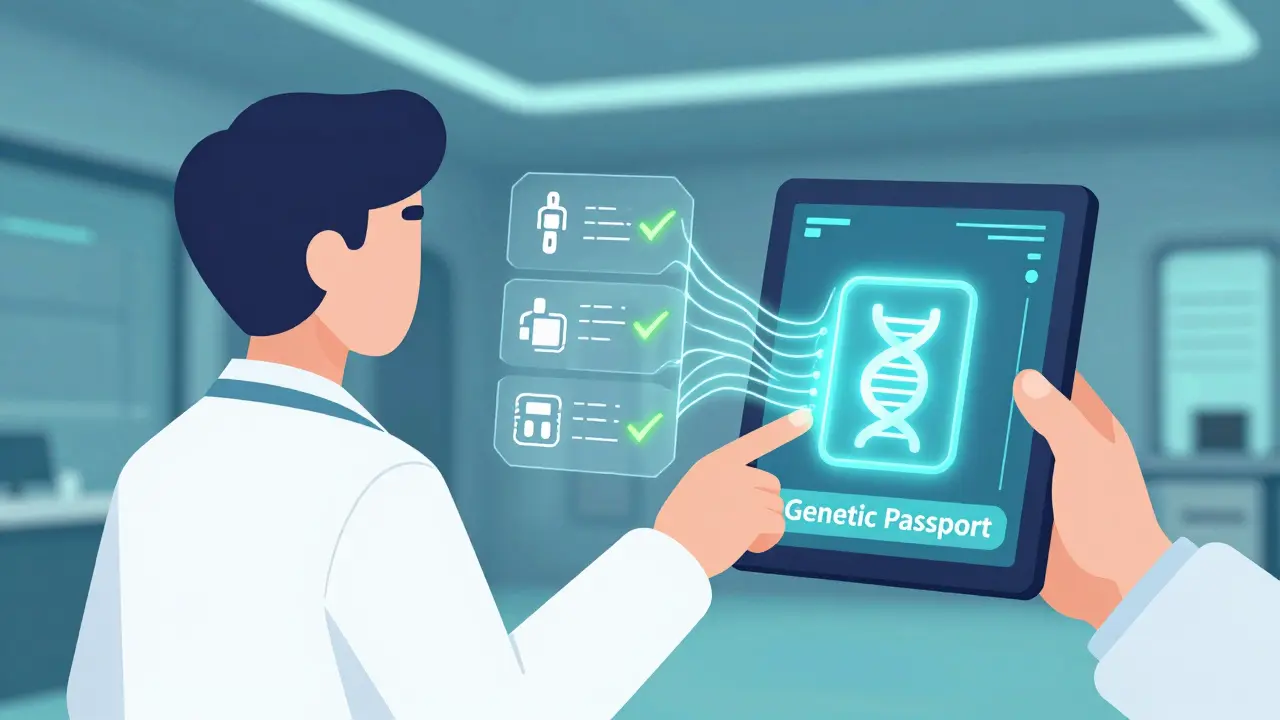
We are moving toward a era where your medical record includes a "genetic passport." Before prescribing any new medication, your doctor’s computer system will automatically cross-reference your genetic profile against the new drug and your current medications. This proactive approach could reduce adverse drug reactions by up to 30% in patients taking multiple medicines.
What is pharmacogenomics?
Pharmacogenomics is the study of how your genes affect your response to drugs. It helps determine which medications will work best for you and at what doses, minimizing side effects and maximizing efficacy.
Can pharmacogenomics prevent drug interactions?
Yes. By identifying genetic variants that alter drug metabolism, pharmacogenomics can predict how different drugs will interact within your specific body chemistry, allowing doctors to adjust doses or choose alternative medications before serious interactions occur.
Who should get pharmacogenomic testing?
Patients taking multiple medications (polypharmacy), those who have experienced adverse drug reactions in the past, or individuals starting treatments with narrow therapeutic windows (like blood thinners or chemotherapy) are ideal candidates for testing.
Is pharmacogenomic testing covered by insurance?
Coverage varies widely. While some insurers cover specific tests for certain conditions, many still view preemptive testing as experimental. It is essential to check with your provider and insurer regarding specific CPT codes and coverage policies.
What is phenoconversion?
Phenoconversion is when a drug temporarily changes your metabolic phenotype. For example, a strong enzyme inhibitor can make a normal metabolizer act like a poor metabolizer, altering how other drugs are processed regardless of your genetic baseline.