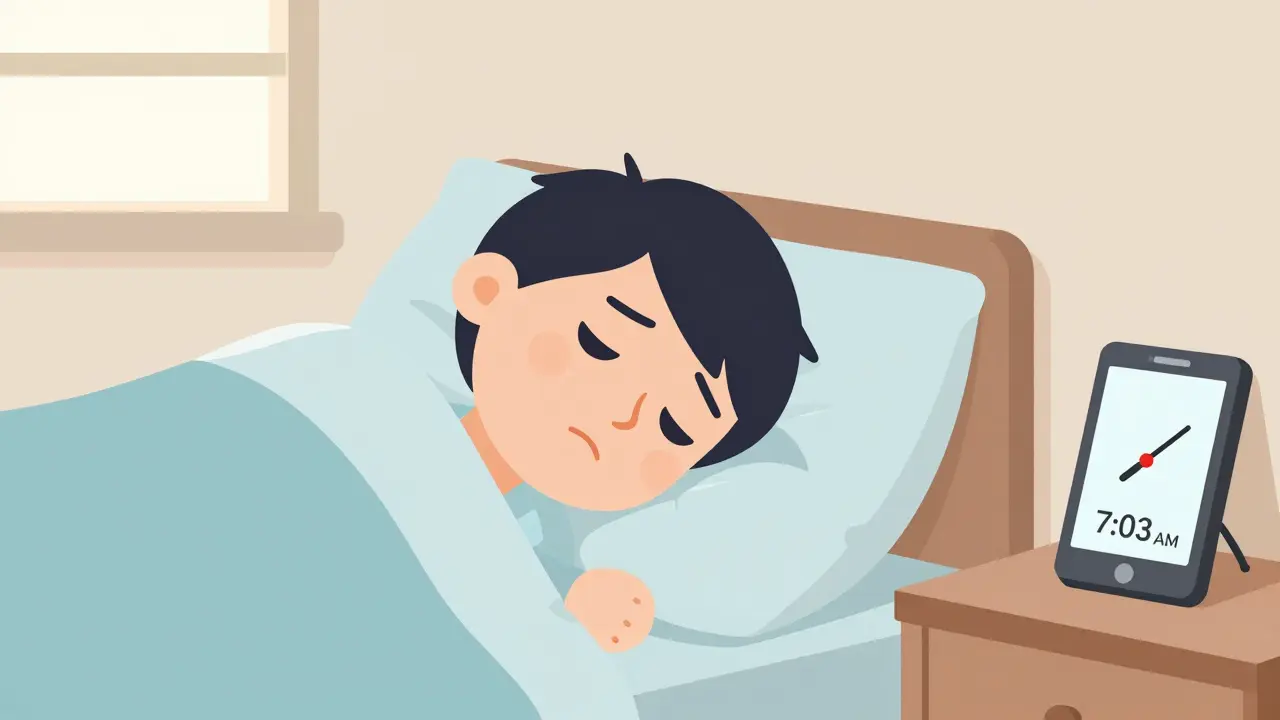
One morning, you wake up and your face feels off. One side won’t smile. Your eye won’t close. Your mouth droops. You might think it’s a stroke - and that fear is real. But in most cases, it’s Bell’s palsy: a sudden, temporary weakness or paralysis on one side of the face caused by inflammation of the facial nerve. It’s not a stroke. It’s not a tumor. And for most people, it’s treatable - if you act fast.
What Exactly Is Bell’s Palsy?
Bell’s palsy is the most common cause of sudden facial paralysis. It happens when the facial nerve (cranial nerve VII), which controls muscles for smiling, blinking, and closing the eye, becomes swollen and compressed inside a narrow bony tunnel in the skull called the fallopian canal. No one knows exactly why it happens, but it’s often linked to a reactivated virus like herpes simplex. The body’s immune response causes swelling, and because the nerve is trapped in bone, that swelling squeezes the nerve - like stepping on a garden hose. About 15 to 30 people out of every 100,000 get it each year. It hits most often between ages 15 and 45, though it can occur at any age. Pregnant women, people with diabetes, and those with upper respiratory infections are at slightly higher risk. The symptoms come on fast - usually within hours to a day. You might notice drooling, sensitivity to sound, loss of taste, or pain behind the ear before the full weakness appears.Why Timing Matters More Than Anything
The biggest mistake people make? Waiting. Bell’s palsy isn’t something you can wait out and hope improves on its own. While about 70% of people recover fully without treatment, that still leaves 3 in 10 with lasting weakness, eye damage, or abnormal muscle movements called synkinesis - where smiling makes your eye twitch. The window for effective treatment is narrow: 48 hours from the first sign of weakness. After that, the chance of full recovery drops. By 72 hours, the benefit from steroids is much smaller. Studies show that patients who start treatment within 24 hours recover faster and more completely than those who wait even a day or two. One patient in a UK forum described it this way: “I waited five days last time. This time, I went to the doctor the same morning. I could see the difference by day three.”Corticosteroids: The Only Proven Treatment
The single most effective treatment for Bell’s palsy is oral corticosteroids - specifically, prednisone. This isn’t speculation. It’s backed by high-quality evidence from multiple randomized trials reviewed by the Cochrane Collaboration and endorsed by the American Academy of Family Physicians (AAFP) with the highest evidence rating: A. Here’s how it works: corticosteroids reduce inflammation. By calming the swelling around the facial nerve, they take pressure off the nerve inside the bone tunnel. Less pressure means less damage. More nerve fibers survive to send signals again. The standard dose is 50 to 60 milligrams of prednisone per day for five days, then a five-day taper down to zero. That’s a total of 500 mg over 10 days. Why the taper? To avoid rebound inflammation. Stopping cold turkey can cause your body to react badly. The numbers don’t lie. For every 10 people treated with corticosteroids within 48 hours, one person avoids incomplete recovery. That’s called a number needed to treat (NNT) of 10 - a strong result in medicine. Without steroids, recovery rates are around 70%. With them, they jump to about 85%.What About Antivirals? Do They Help?
You’ve probably heard that antivirals like acyclovir or valacyclovir are used for Bell’s palsy. They’re not. Not alone. Multiple reviews, including Cochrane’s 2019 analysis of nearly 900 patients, show no benefit from antivirals by themselves. The AAFP says there’s no high-quality evidence supporting antiviral monotherapy. But here’s the nuance: when you combine antivirals with corticosteroids, there’s a small but meaningful benefit - not for overall recovery, but for reducing long-term complications like synkinesis. The risk of abnormal muscle movements drops by about 33% with combination therapy. That’s why some doctors, especially in the UK and Europe, still recommend it for moderate to severe cases. The evidence isn’t strong enough to call it standard, but it’s enough to consider it - especially if you’re over 50 or have complete paralysis at onset.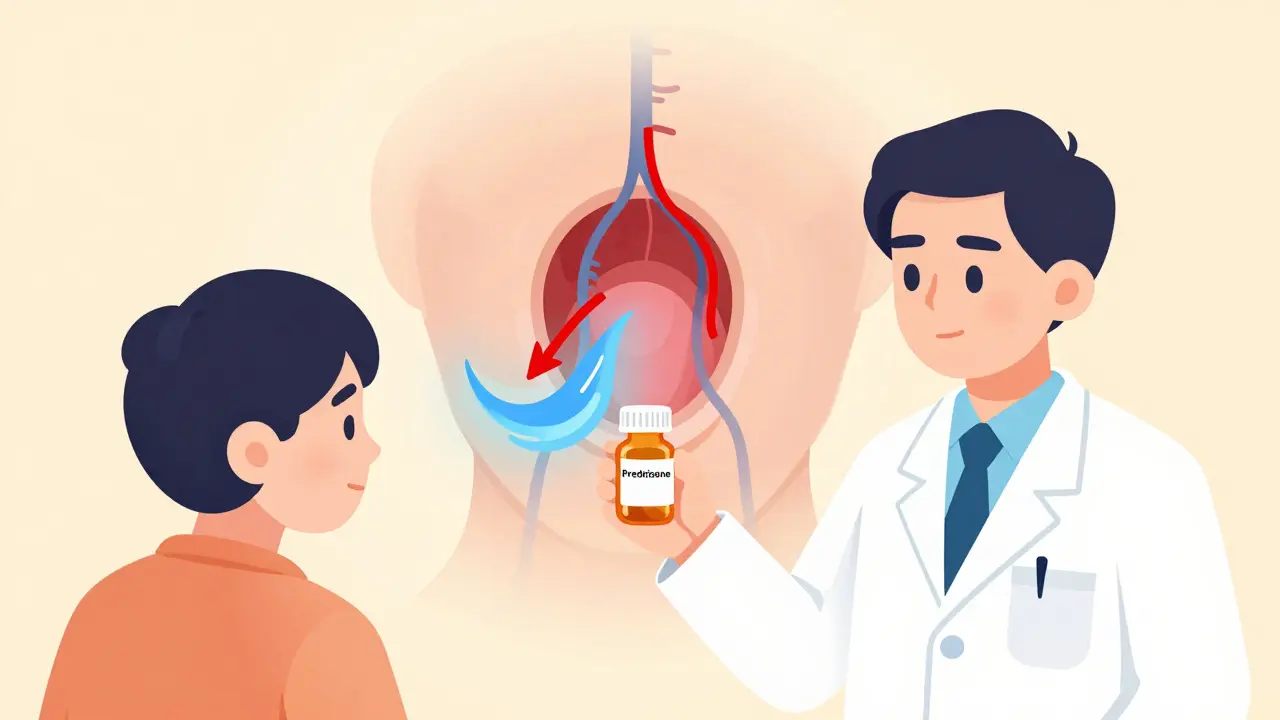
What Doesn’t Work
There are a lot of alternative treatments floating around. Hyperbaric oxygen. Low-level laser therapy. Steroid injections behind the ear. Stellate ganglion blocks. Some clinics even push acupuncture. The truth? None of these have high-quality proof they work better than steroids alone. AAFP’s 2023 review looked at 32 to 35 studies on these alternatives. None showed consistent, reliable improvement. Some showed tiny, unrepeatable gains. Others showed no difference from placebo. If you’re paying out of pocket for these, you’re spending money without gaining real benefit.Side Effects: Should You Be Worried?
People hear “steroid” and think of weight gain, mood swings, diabetes flare-ups. Yes, those can happen - but only with long-term use. A 10-day course? The risks are minimal. In clinical trials involving over 700 patients, the rate of side effects with prednisone was no different than with placebo. The most common complaints? Trouble sleeping, increased appetite, and mild mood changes. One study noted three people had temporary sleep issues. No serious side effects like high blood pressure spikes, infections, or stomach ulcers were reported in short-term use. Diabetics need to monitor blood sugar closely - steroids can raise glucose levels. But even then, the spike is usually temporary and manageable with small adjustments. The risk of not treating Bell’s palsy - permanent facial asymmetry, dry eye damage, chronic pain - far outweighs the risk of a 10-day steroid course.How Doctors Know It’s Bell’s Palsy and Not Something Worse
Not every facial weakness is Bell’s palsy. Stroke, tumors, Lyme disease, and Ramsay Hunt syndrome (which involves a shingles virus and blisters in the ear) can look similar. That’s why diagnosis matters. Doctors use a few simple rules:- Is the forehead affected? In Bell’s palsy, you can’t raise your eyebrow on the weak side. In stroke, you usually can - because the forehead muscle gets input from both sides of the brain.
- Are there blisters in the ear? That’s Ramsay Hunt - needs antivirals and different care.
- Is there pain, hearing loss, or dizziness? That could point to something else.
What Happens If You Don’t Treat It?
Most people do recover - but not always completely. About 30% of untreated patients end up with some lasting issue:- 20% have mild asymmetry - their smile looks uneven.
- 10% develop synkinesis - blinking makes their mouth pull up.
- 5% get chronic eye dryness, leading to corneal damage.
What to Do If You Think You Have Bell’s Palsy
If you notice sudden facial weakness:- Don’t panic. It’s unlikely to be a stroke.
- Call your doctor or go to an urgent care clinic immediately.
- Ask: “Could this be Bell’s palsy? Can I start steroids today?”
- If you’re told to wait, ask for a referral to a neurologist or ENT specialist.
- Protect your eye. Use artificial tears during the day and tape or patch it shut at night.
Recovery: What to Expect
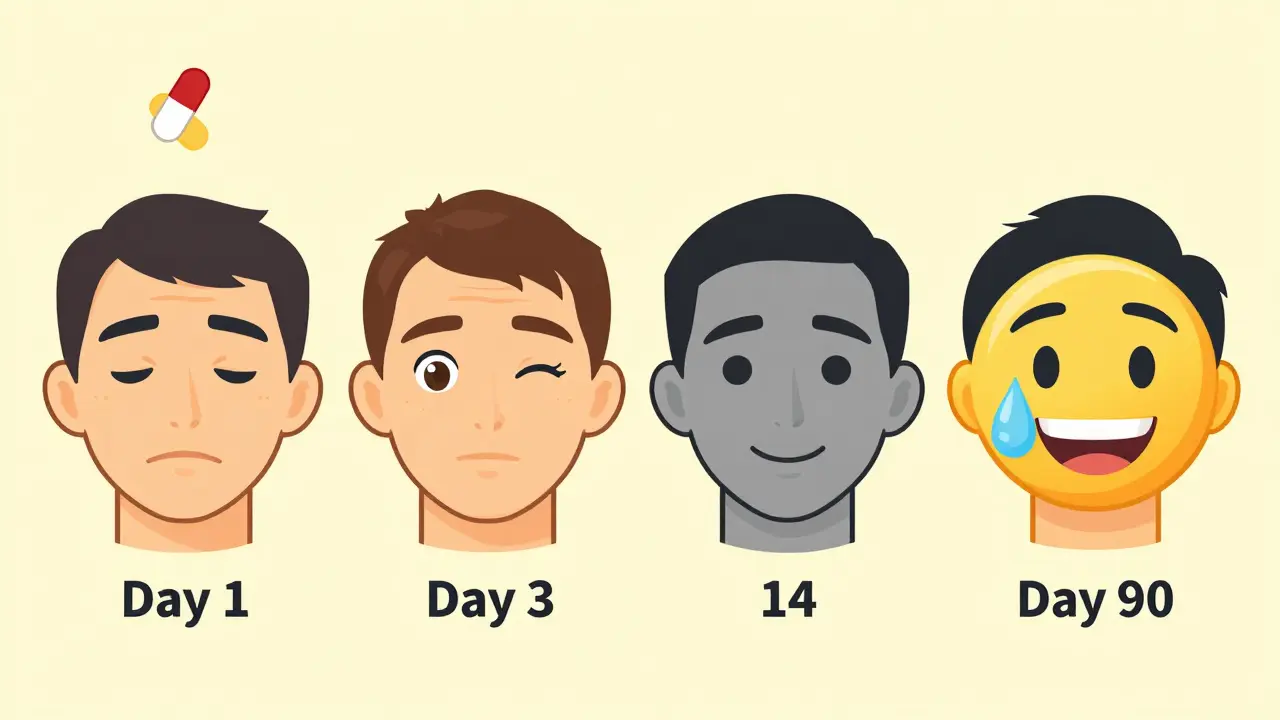
Recovery isn’t linear. You might feel worse before you feel better. Around day 3 to 5, swelling peaks. That’s when you might feel more weakness - but that’s normal. The steroids are working. Most people see improvement within two weeks. By three months, 73% have full recovery. By nine months, it’s nearly 90%. Machine learning studies show that age and steroid use are the two strongest predictors of outcome. Younger patients recover faster. Those who start steroids early recover best. Physical therapy isn’t usually needed unless recovery stalls past three months. Facial exercises? There’s no strong proof they help - but they don’t hurt. Gentle massage, warm compresses, and smiling in front of a mirror can keep muscles active without causing harm.The Bigger Picture
Bell’s palsy is a small condition with a huge impact. One side of your face - the part you use to express joy, sadness, anger - goes silent. It’s isolating. It makes you feel vulnerable. But here’s the good news: this isn’t a life sentence. It’s a temporary glitch in your nervous system. And we have a simple, cheap, proven fix: corticosteroids. The science is clear. The guidelines are consistent. The window is short. The real question isn’t whether steroids work. It’s whether you’ll act fast enough to use them.Is Bell’s palsy the same as a stroke?
No. Bell’s palsy affects only the facial nerve, causing weakness on one side of the face - including the forehead. A stroke affects the brain and often spares the forehead. Other signs of stroke include arm weakness, slurred speech, confusion, or sudden vision loss. If you have any of those, call emergency services immediately.
Can children get Bell’s palsy?
Yes, though it’s less common than in adults. Children usually recover faster and more completely than adults. Corticosteroids are used in children too, but dosing is based on weight. There’s less research on optimal doses for kids, so treatment should be guided by a pediatric neurologist or ENT specialist.
How long does it take to recover from Bell’s palsy?
Most people start improving within two weeks. Full recovery usually takes 3 to 6 months. About 73% recover completely by three months, and 89% by nine months - especially if they started steroids within 48 hours. Delayed treatment increases the chance of incomplete recovery.
Do I need an MRI or CT scan for Bell’s palsy?
Usually not. Bell’s palsy is diagnosed by symptoms and physical exam. Imaging is only needed if the diagnosis is unclear - for example, if weakness is gradual, affects both sides, or doesn’t improve after months. In those cases, doctors check for tumors, Lyme disease, or other causes.
Can Bell’s palsy come back?
Yes, but it’s rare - less than 10% of people experience a second episode. If it happens on the same side, it’s usually within the first year. Recurrence on the opposite side is even rarer. There’s no proven way to prevent it, but managing conditions like diabetes and avoiding severe viral infections may help.
Are there any long-term side effects from taking prednisone for 10 days?
No serious long-term side effects have been linked to a 10-day course of prednisone. Short-term effects like trouble sleeping, increased appetite, or mood changes are common but go away after stopping. The risk of osteoporosis, diabetes, or immune suppression only happens with months or years of use - not days.
I had Bell’s palsy last winter. Didn’t know what it was until my friend screamed at me to go to urgent care. I waited two days. Regretted it. The steroids helped, but my smile still pulls funny when I laugh now. Don’t wait like I did.
Also, eye patch at night saved me. No corneal scratch. Just saying.
My cousin got this after a cold. She was scared out of her mind thinking it was a stroke. Took her 12 hours to call the doc. Got prednisone same day. By day four she was grinning like a fool in the mirror. It’s wild how fast it can turn around if you move.
Also-no, you don’t need acupuncture. Just pills and patience.
Bro, I’m from India and we don’t always have easy access to steroids, but I’ve seen this happen to three people in my village. One guy waited a week-still has a droopy lip. Another started steroids in 18 hours? Back to work in two weeks. Medicine isn’t magic, but timing? That’s the real superpower.
Stay calm. Act fast. You got this.
Let’s be real-this whole ‘steroids fix Bell’s palsy’ narrative is a pharmaceutical industry scam. The Cochrane review? Funded by Big Pharma. The ‘NNT of 10’? Calculated using cherry-picked trials. Meanwhile, the real cause-chronic EMF exposure from 5G towers-is being buried.
And why no mention of magnesium or zinc? Or cranial osteopathy? No one wants to talk about the real solutions. Just pop a pill and call it a day.
How utterly regressive-relying on a crude corticosteroid intervention when we have access to cutting-edge neuroplasticity protocols, neuromodulation therapies, and even transcranial magnetic stimulation. The AAFP’s endorsement is, frankly, embarrassingly archaic. One must question the epistemic rigor of guidelines that privilege pharmacological reductionism over holistic, integrative neuro-rehabilitation.
And yet, the average patient is still being sold a $15 bottle of prednisone like it’s a panacea. How tragic.
I’m a nurse and I’ve seen this too many times. People panic, then wait. Then they blame themselves. Please don’t. Just call your doctor. Even if it’s 11 p.m. They’ll know what to do. It’s not a big deal if you catch it early.
And yes-it’s not a stroke. But it still feels like one. You’re not crazy for being scared.
just wanted to say thank you for writing this. i had bell’s palsy in 2020 and didn’t know any of this. i waited 72 hours and ended up with synkinesis. it’s been rough. but now i tell everyone i know: if your face drops, don’t wait. steroids are cheap and safe. your eye matters more than you think.
also, sorry for the typos. typing with one hand while holding my coffee.
you’re not alone.
Thank you for this exceptionally well-researched and clinically grounded exposition. The emphasis on the 48-hour therapeutic window is not merely prudent-it is ethically imperative. The data supporting corticosteroid use is robust, reproducible, and endorsed across international medical societies. The marginal benefit of adjunctive antivirals in severe cases warrants consideration, but should not dilute the primary intervention.
Further, the dismissal of unproven modalities is both scientifically sound and economically responsible. This is medicine at its best: evidence-based, timely, and accessible.
I’ve been researching this since my sister got it last year. I read every paper, every guideline, every forum. And you know what? The thing that scared me most wasn’t the paralysis-it was how many people just… didn’t know.
My mom thought it was a stroke. My uncle said ‘it’s just stress.’ My cousin tried a crystal on her cheek. I cried. Not because she was sick-but because no one told them this could be fixed.
So thank you. For writing this. For saying it plainly. Maybe someone’s eye will be saved because of this.
THEY DON’T WANT YOU TO KNOW THIS-BUT PREDNISONE IS A TOXIN DESIGNED BY THE WORLD HEALTH ORGANIZATION TO CONTROL THE POPULATION! THEY’RE HIDING THE TRUTH ABOUT THE VIRUS AND THE NERVE DAMAGE BECAUSE THEY WANT YOU TO BE DEPENDENT ON PHARMA! I’VE SEEN THE DOCUMENTS!
AND WHY ISN’T ANYONE TALKING ABOUT THE 5G TOWERS? I LIVE NEXT TO ONE. I KNOW WHAT I SAW. I’M A RESEARCHER. I’M NOT CRAZY.
THEY’RE LYING TO YOU. I’M THE ONLY ONE WHO KNOWS THE TRUTH.