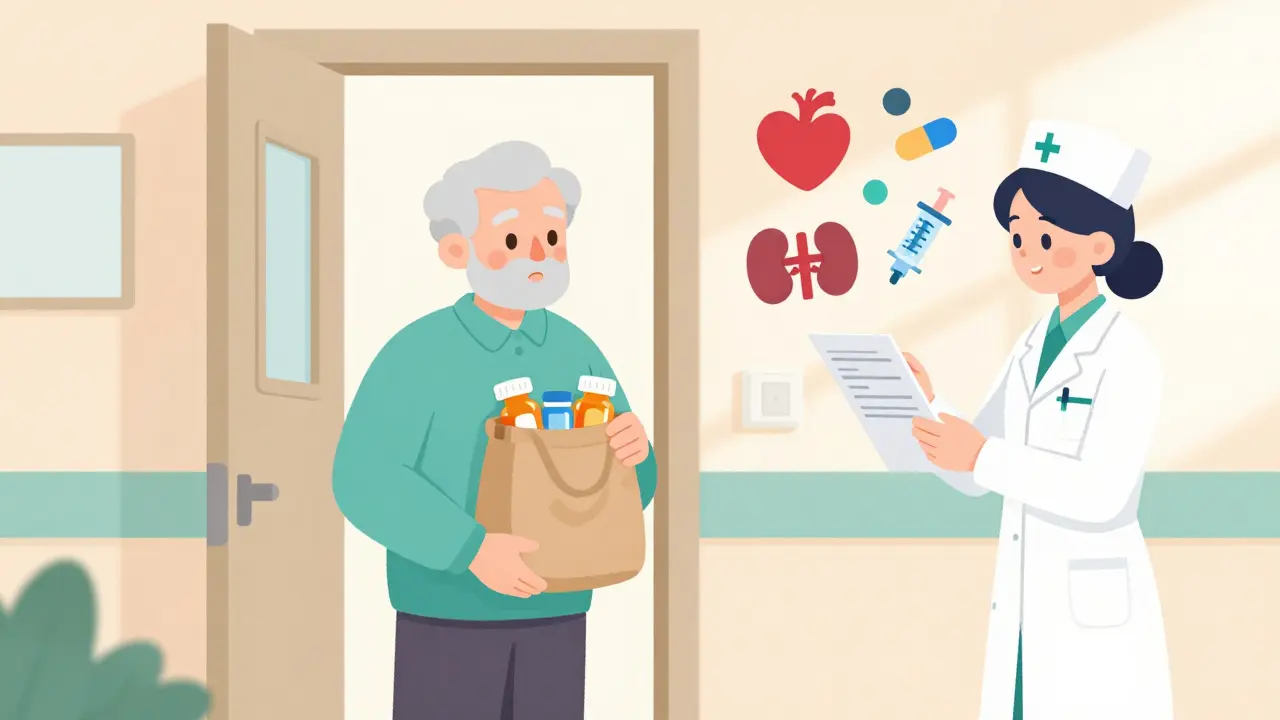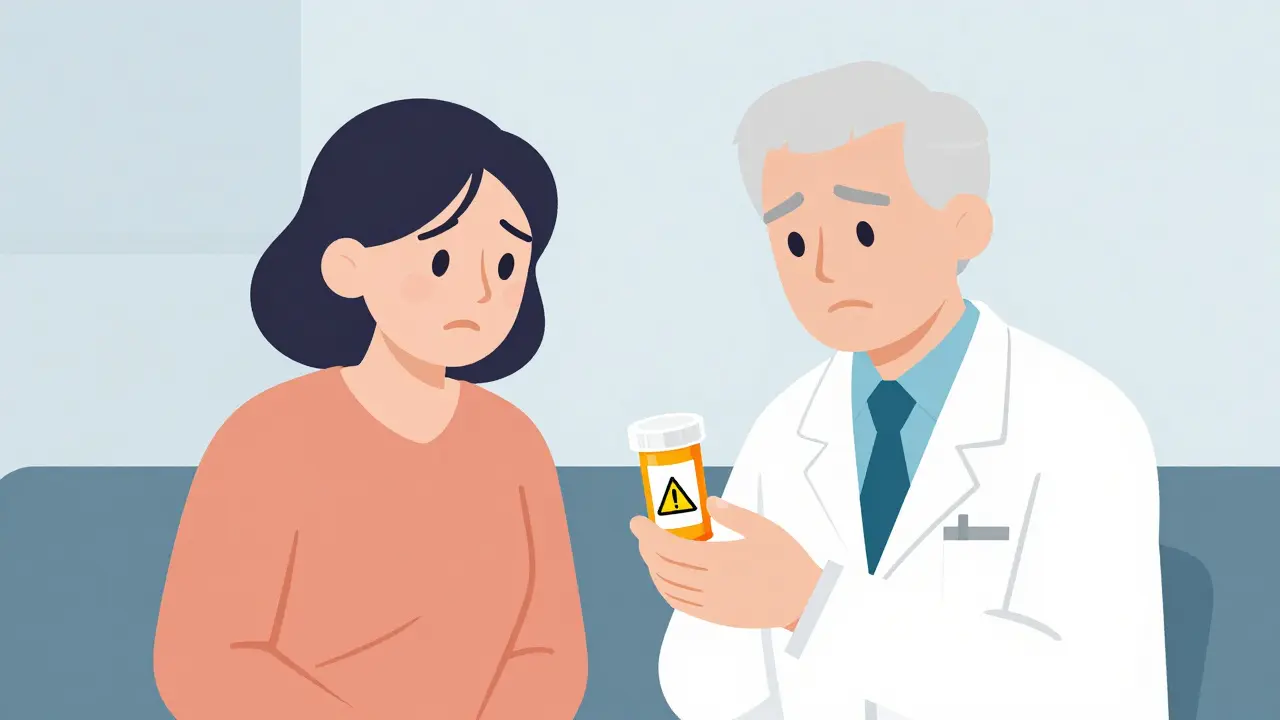
Imagine your loved one with dementia is struggling with severe agitation or hallucinations. The doctor suggests a medication called an antipsychotic is a class of drugs primarily used to manage behavioral and psychological symptoms of dementia (BPSD) in elderly patients. It might seem like the only way to bring peace back into their day. But here is the hard truth you need to hear before agreeing to that prescription: these medications carry a significant, well-documented risk of stroke and death in seniors with dementia.
This isn't just a minor side effect warning. Since 2005, the U.S. Food and Drug Administration (FDA) has placed a "black box" warning-the most serious type available-on all antipsychotics when used for dementia-related psychosis. Studies show these drugs can increase the risk of death by 1.6 to 1.7 times compared to a placebo. For families navigating the complex world of senior care, understanding this risk is not optional; it is essential for making safe decisions.
The Black Box Warning: Why Doctors Are Hesitant
To understand the gravity of this issue, we have to look at where the warnings came from. In 2005, the FDA analyzed seventeen placebo-controlled trials involving elderly patients with dementia. The results were stark. Patients taking antipsychotics had a significantly higher mortality rate than those taking a sugar pill. This led to the issuance of black box warnings for both typical (first-generation) and atypical (second-generation) antipsychotics.
The American Geriatrics Society’s Beers Criteria, a respected guide for avoiding potentially harmful medications in older adults, explicitly recommends avoiding antipsychotics for treating neuropsychiatric symptoms of dementia. Despite this clear guidance, these drugs are still prescribed off-label in nursing homes and community settings. Why? Because managing severe behavioral symptoms can be incredibly difficult, and non-drug approaches aren't always immediately effective or easy to implement.
However, the gap between clinical guidelines and real-world practice is dangerous. When you consider that even brief exposure to these drugs can elevate stroke risk, the decision to prescribe them requires extreme caution. It is not about eliminating all treatment options, but about weighing the immediate relief against long-term catastrophic risks.
How Antipsychotics Increase Stroke Risk
You might wonder how a drug meant to calm behavior could cause a stroke. The mechanism isn't simple, but research points to several physiological pathways. Antipsychotics can cause orthostatic hypotension-a sudden drop in blood pressure when standing up-which reduces blood flow to the brain. They also contribute to metabolic syndrome, including weight gain and high blood sugar, which damages blood vessels over time.
Furthermore, these medications disrupt neurotransmitter systems that regulate cerebral blood flow. A study published in the American Journal of Epidemiology (2015) highlighted that these physiological changes create a perfect storm for cerebrovascular events. More recent data from the American Heart Association (2012) showed that after adjusting for various factors, the odds of stroke were 1.8 times higher in patients exposed to antipsychotics compared to those who were not.
Crucially, this risk appears quickly. Earlier assumptions suggested that only long-term use posed a threat. However, Veterans Affairs data revealed that the elevation in stroke risk is apparent even after brief exposure. This means that even a short course of medication intended as a temporary fix carries substantial danger.
| Feature | First-Generation (Typical) | Second-Generation (Atypical) |
|---|---|---|
| Examples | Haloperidol, Chlorpromazine | Risperidone, Quetiapine, Olanzapine |
| Stroke Risk Profile | Higher long-term risk (>90 days) | Lower long-term risk, but still elevated |
| Metabolic Side Effects | Less common | More common (weight gain, diabetes risk) |
| Mortality Impact | Significantly increased | Significantly increased (1.6-1.7x) |
Typical vs. Atypical: Is One Safer?
Many people assume that "atypical" or second-generation antipsychotics are safer because they are newer. While there are nuanced differences, the bottom line is that both classes carry serious risks. A systematic review in Neurology (2023) found that long-term use (more than 90 days) of typical antipsychotics conferred a greater cerebrovascular event risk than atypical agents. However, this does not mean atypicals are safe.
Research by Gill et al. (2005) analyzing over 32,000 Canadians aged 65+ found equivalent rates of ischemic stroke between users of both types. Similarly, Liperoti et al. (2005) reported equivalent rates of cerebrovascular adverse events in nursing home residents using either class. The difference lies more in the timeline and specific side effects rather than a clear winner in safety.
Atypical antipsychotics are often associated with metabolic syndrome development, which poses its own set of cardiovascular dangers. Meanwhile, typical antipsychotics may have a more direct impact on blood pressure regulation. Regardless of the class, the American Heart Association emphasizes that cognitive deterioration itself can be a prodrome of stroke, complicating the analysis. Worsening behavior might lead to prescription, but the underlying disease process is already threatening brain health.
The Reality of Mortality Risks
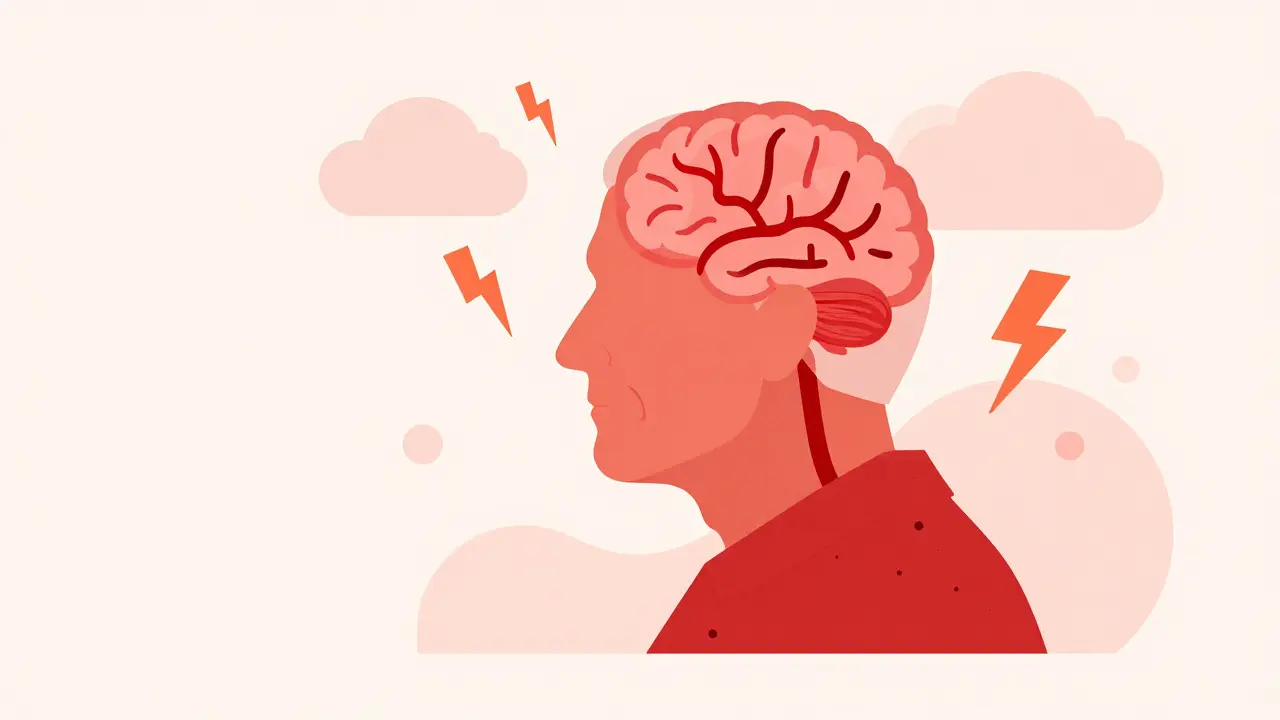
Let's talk directly about death. The FDA warning states clearly: elderly patients with dementia-related psychosis treated with atypical antipsychotic drugs are at an increased risk of death. This isn't theoretical. A large cohort study of community-dwelling older veterans found that antipsychotic use was associated with increased all-cause mortality in patients both with and without dementia. The risk was further elevated when antipsychotics were added to existing dementia care.
This risk extends beyond just stroke. Cardiovascular issues, infections, and other complications play a role. The Johns Hopkins Bloomberg School of Public Health researchers noted that while stroke partially mediates the mortality risk difference between drug classes, it doesn't explain it entirely. This suggests that antipsychotics affect overall frailty and resilience in ways we don't fully understand yet.
For families, this means that the decision to use these drugs should never be casual. It should involve a detailed discussion with a geriatrician or neurologist who can evaluate the specific risks for your loved one. Ask questions like: "What is the absolute risk for my parent?" and "Have we exhausted every non-drug option first?"
Non-Pharmacological Alternatives: The First Line of Defense
Before considering medication, clinical guidelines insist on trying non-pharmacological interventions. These approaches address the root causes of behavioral symptoms rather than masking them. Here are some effective strategies:
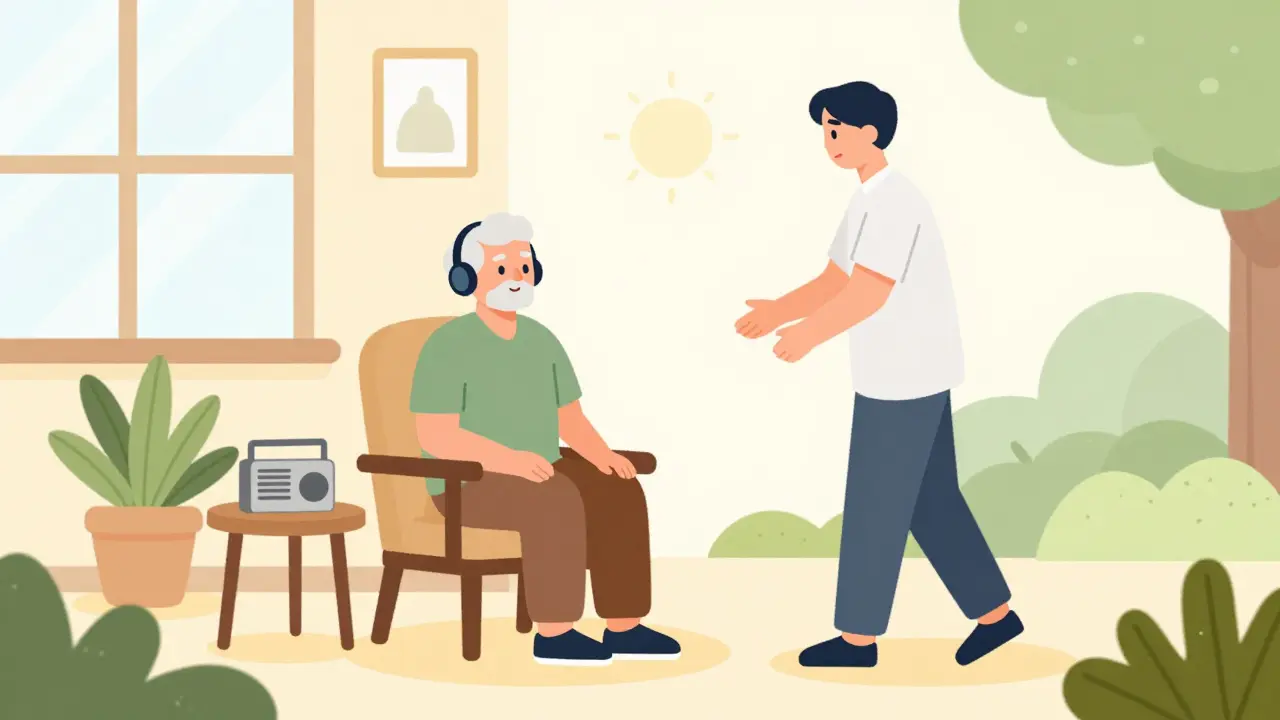
- Environmental Modifications: Reduce noise, clutter, and bright lights. Create a calm, predictable routine. Often, agitation stems from sensory overload.
- Personalized Care: Learn what triggers your loved one. Does music soothe them? Do they prefer certain times for bathing? Tailoring care to individual preferences can drastically reduce distress.
- Physical Activity: Regular walking or gentle exercise can improve mood and sleep, reducing the need for sedation.
- Caregiver Support: Educate family members on dementia behaviors. Understanding that aggression is a symptom of the disease, not personal malice, helps caregivers respond with patience rather than frustration.
These methods take time and effort, but they do not carry the risk of stroke or death. The American Geriatrics Society emphasizes that these alternatives should be fully investigated before any antipsychotic therapy is initiated.
When Medication Might Be Unavoidable
Despite the risks, there are rare instances where antipsychotics might be considered. If a patient is experiencing severe psychosis that leads to immediate danger to themselves or others, and all non-drug methods have failed, a doctor might prescribe a low dose for the shortest possible time. This is known as "off-label" use because antipsychotics are not approved by the FDA for dementia-related psychosis.
In these scenarios, monitoring is critical. You must watch for signs of dizziness, confusion, or changes in mobility. The goal is to taper off the medication as soon as possible. Never start an antipsychotic without a clear plan for discontinuation. The Neurology (2023) review suggests that differences in risk are less salient in very short-term use, but this does not eliminate the danger-it merely minimizes it slightly.
If medication is started, choose the lowest effective dose. Avoid combining multiple psychotropic drugs, as this multiplies the risks. Regularly reassess the need for the drug with the healthcare provider. If the behavior stabilizes, attempt to reduce the dosage gradually.
Advocating for Your Loved One
As a family member or caregiver, you are the advocate. Doctors may feel pressured to prescribe something quick to manage difficult behaviors, especially in busy clinics or understaffed facilities. It is your job to push back gently but firmly. Bring up the black box warning. Ask about the Beers Criteria. Request a trial period of non-drug interventions.
Keep a log of your loved one's behaviors. Note what happens before an episode. Was there too much noise? Were they hungry or tired? This data helps doctors identify triggers that can be managed without medication. Education is your strongest tool. The more you know about the risks, the better equipped you are to make informed decisions.
Remember, the goal of dementia care is quality of life, not just control of behavior. Sometimes, allowing a bit of chaos is safer than introducing a drug that could cause a stroke. Trust your instincts, seek second opinions if needed, and prioritize safety above convenience.
What is the black box warning for antipsychotics in dementia?
The FDA black box warning states that elderly patients with dementia-related psychosis treated with antipsychotic drugs are at an increased risk of death, approximately 1.6 to 1.7 times higher than those taking a placebo. This warning applies to both typical and atypical antipsychotics.
Do atypical antipsychotics have a lower stroke risk than typical ones?
While some studies suggest that long-term use of typical antipsychotics may confer a higher cerebrovascular risk than atypicals, both classes carry significant risks. Short-term use shows similar risks between the two. Neither is considered "safe" for dementia patients due to the overall mortality increase.
Can antipsychotics cause strokes even with short-term use?
Yes. Research from the American Heart Association indicates that the odds of stroke are 1.8 times higher in patients exposed to antipsychotics, and this risk is apparent even after brief exposure, contradicting earlier beliefs that only long-term use was dangerous.
What are the best non-drug alternatives for dementia behavior?
Effective alternatives include environmental modifications (reducing noise/clutter), personalized care routines, regular physical activity, and caregiver education. These approaches address triggers of agitation without the risks associated with medication.
Why are antipsychotics still prescribed if they are so risky?
They are often prescribed off-label when non-drug methods fail to manage severe, dangerous behaviors. However, guidelines recommend avoiding them whenever possible. Their continued use reflects the difficulty of managing dementia behaviors and sometimes a lack of resources for intensive non-pharmacological care.