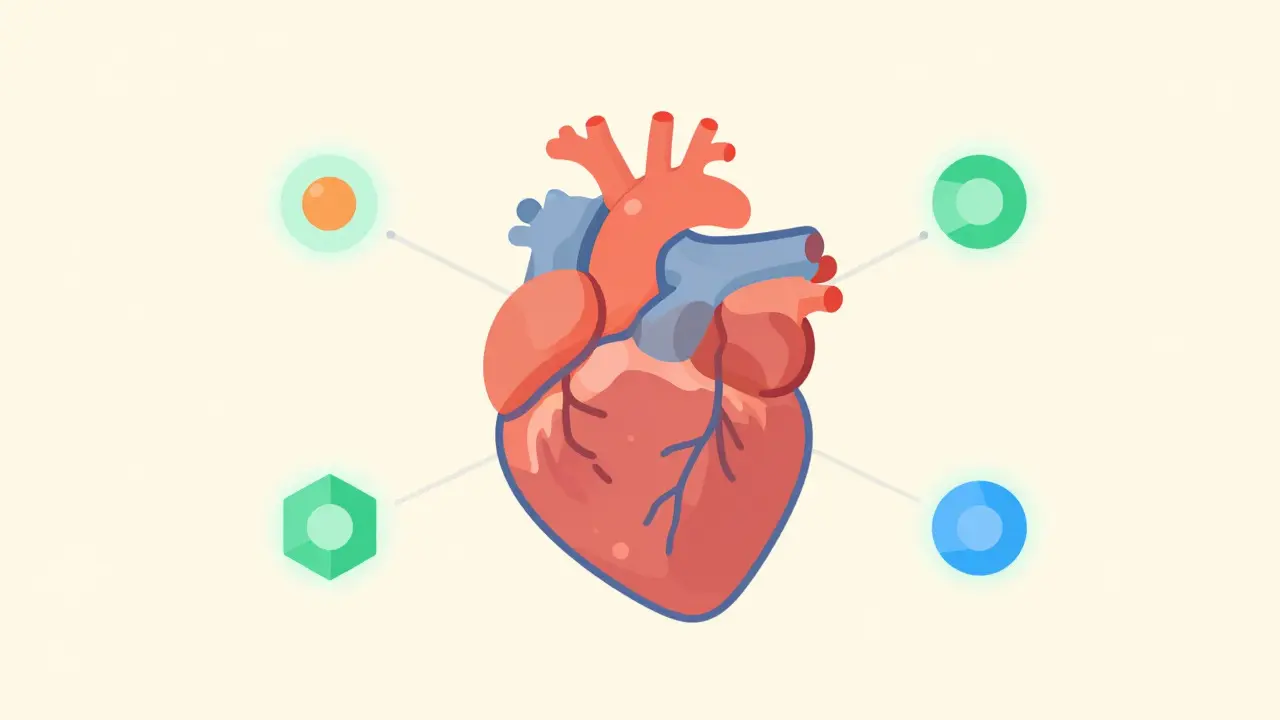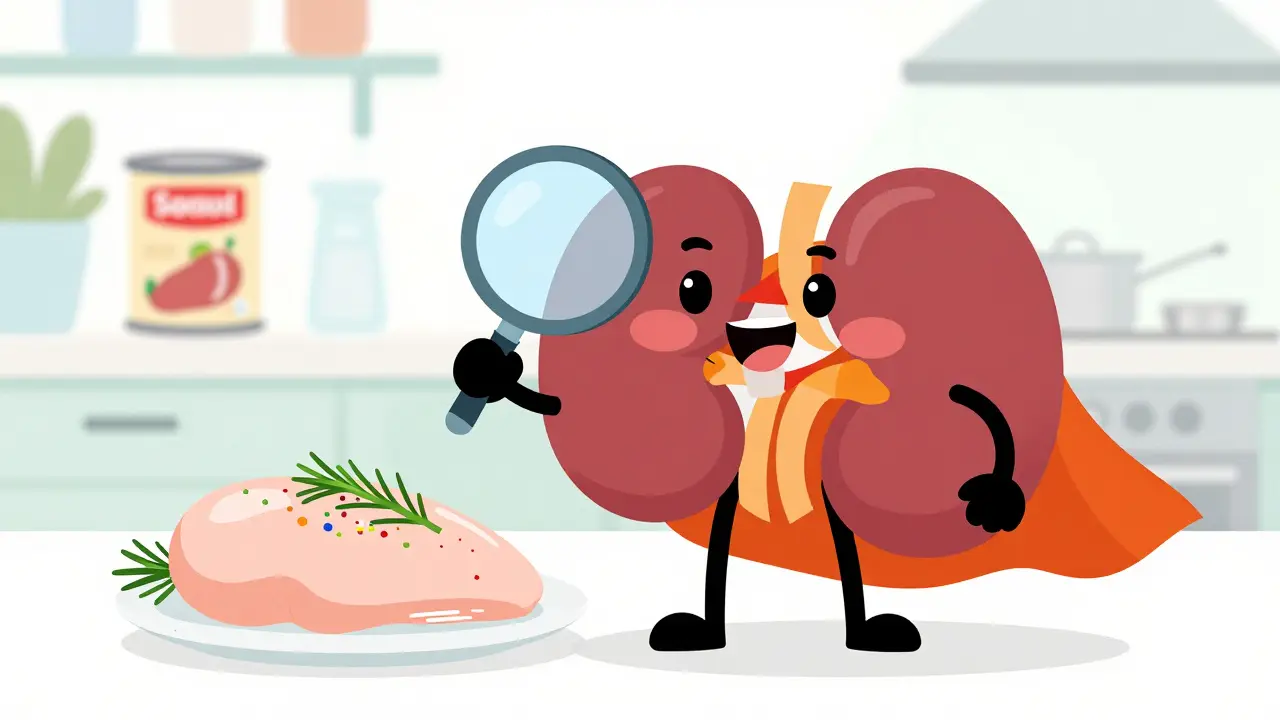
Your kidneys are hardworking filters. They clean your blood, balance fluids, and manage electrolytes every single day. But when they start to struggle-specifically in stages 3 through 5 of Chronic Kidney Disease (CKD)-they can’t process waste as efficiently. This is where a renal dieta medically prescribed eating plan designed to reduce the workload on compromised kidneys by limiting specific nutrients becomes your most powerful non-drug tool. It’s not about starvation; it’s about precision. By carefully managing three key minerals-sodium, potassium, and phosphorus-you can slow disease progression, prevent dangerous heart rhythms, and potentially delay dialysis by months or even years.
If you’ve just been diagnosed, the list of restrictions might feel overwhelming. You’re used to hearing that bananas and spinach are healthy. Suddenly, your doctor says otherwise. Why? Because what’s good for a healthy heart isn’t always safe for failing kidneys. Let’s break down exactly how to handle these three nutrients without giving up all flavor or satisfaction.
The Sodium Trap: Protecting Your Blood Pressure and Fluid Balance
Sodium is the easiest nutrient to control, yet the hardest to avoid because it hides everywhere. The Kidney Disease: Improving Global Outcomes (KDIGO) guidelines recommend keeping sodium intake between 2,000 and 2,300 milligrams per day for most CKD patients. That’s roughly one teaspoon of table salt. For context, a single serving of canned soup often contains 800 to 1,200 mg of sodium alone. That’s half your daily limit in one bowl.
Why does this matter? Excess sodium pulls water into your bloodstream. If your kidneys can’t excrete that extra fluid, it builds up in your legs, lungs, and around your heart. This leads to swelling (edema) and high blood pressure, which further damages your kidney vessels. According to the Cleveland Clinic, processed foods account for 75% of sodium consumption in the average American diet. You don’t need to stop eating out, but you do need to become a label detective.
- Avoid: Canned soups, frozen dinners, deli meats, pickles, and fast food.
- Choose Instead: Fresh chicken, beef, or fish seasoned with herbs like garlic powder, onion powder, lemon juice, or rosemary.
- Pro Tip: Rinse canned beans and vegetables thoroughly under warm water before cooking. This simple step can remove up to 40% of the added sodium.
Reducing sodium by just 1,000 mg daily can lower systolic blood pressure by 5-6 mmHg in CKD patients, according to the CDC. That’s a significant drop that reduces strain on your entire cardiovascular system.
Potassium Management: Preventing Cardiac Arrhythmias
Potassium helps your muscles contract, including your heart. In healthy individuals, excess potassium is easily filtered out. In CKD, it stays in the blood. When serum levels exceed 5.5 mEq/L, you risk hyperkalemiadangerously high potassium levels that can cause fatal cardiac arrhythmias. Dr. Anuja Shah at Johns Hopkins Medicine notes that this threshold is clinically critical. Symptoms can be subtle-muscle weakness, fatigue, or palpitations-until it becomes an emergency.
The general recommendation for stages 3-5 CKD is 2,000 to 3,000 mg of potassium daily, but this varies based on your latest blood tests. Not all potassium is created equal. Research shows that potassium from animal sources is absorbed at a rate of 80-90%, while plant-based potassium is only absorbed at 50-70%. This means a piece of meat will spike your levels faster than a similar amount of fruit.
| Food Item | Serving Size | Potassium (mg) | Verdict |
|---|---|---|---|
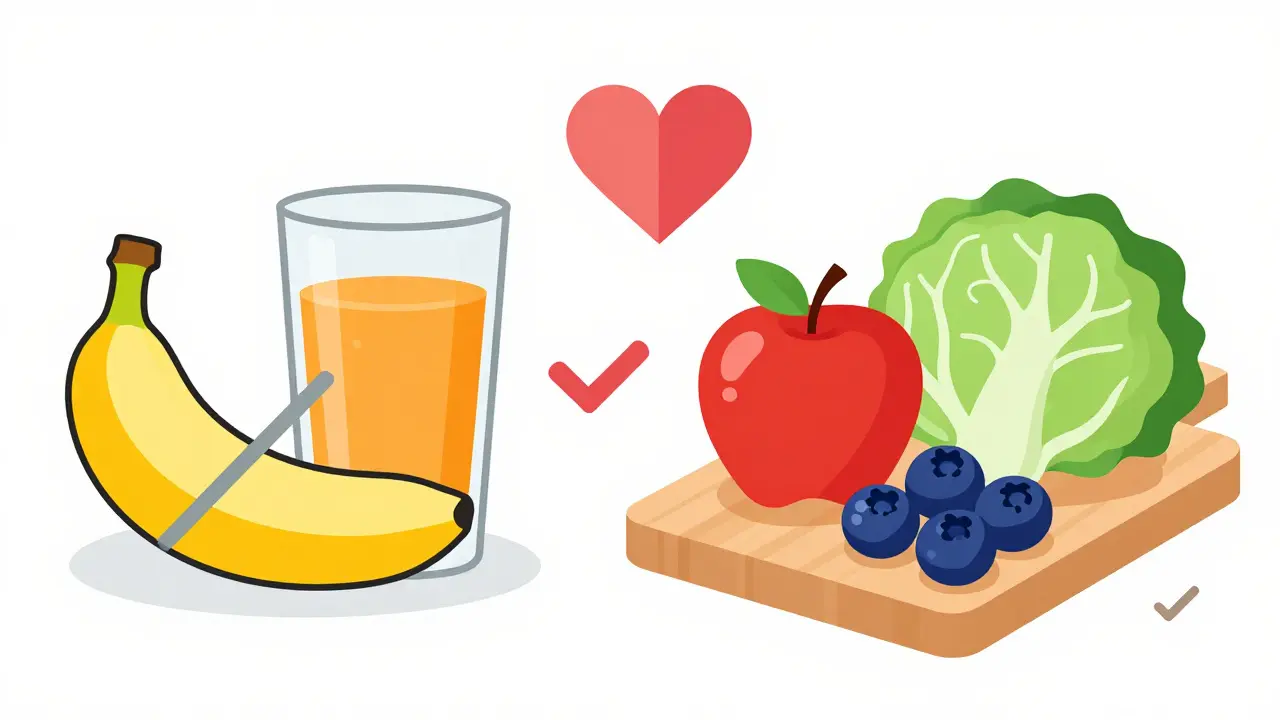
| Banana | 1 medium | 422 | Avoid |
| Apple | 1 medium | 150 | Safe |
| Blueberries | ½ cup | 65 | Safe |
| Cooked Cabbage | ½ cup | 12 | Safe |
| Orange Juice | 1 cup | 496 | Avoid |
Struggling to eat veggies? Try leaching. Soak chopped potatoes or carrots in warm water for 2-4 hours, then boil them in a large pot of fresh water. Discard the water. This process removes up to 50% of the potassium, allowing you to enjoy root vegetables safely. It’s a technique taught by renal dietitians worldwide and documented in the DaVita Kidney Care nutrition guide.
Phosphorus Control: The Hidden Danger in Additives
Phosphorus works with calcium to keep bones strong. But when kidneys fail, phosphorus builds up, pulling calcium from your bones and depositing it in your arteries and heart valves. This causes bone disease and increases heart attack risk. The KDOQI guidelines suggest limiting phosphorus to 800-1,000 mg daily for non-dialysis patients.
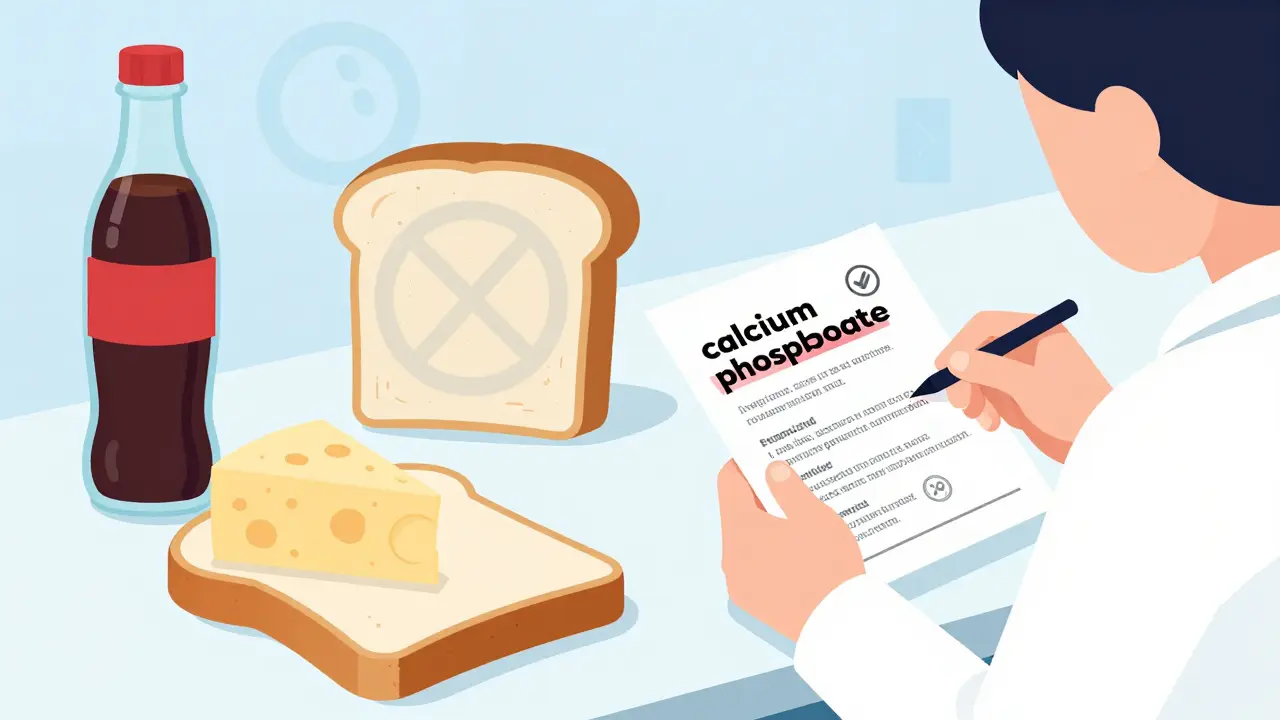
Here’s the tricky part: there are two types of phosphorus. Organic phosphorus comes naturally from foods like meat, dairy, and nuts. Your body absorbs only 50-70% of it. Inorganic phosphorus is found in additives in processed foods, sodas, and preservatives. Your body absorbs 90-100% of this type. A study in the *Clinical Journal of the American Society of Nephrology* (2022) confirmed that these additives increase absorption significantly compared to natural sources.
This is why a cola drink (450 mg per 12 oz) is far more dangerous than a glass of milk (125 mg per ½ cup), even though both contain phosphorus. The additive in the soda hits your bloodstream almost instantly.
- Limit Dairy: Cheese, milk, and yogurt are high in phosphorus. Choose small portions (e.g., 1 oz cheese instead of 2 oz).
- Ditch Dark Colas: Switch to sparkling water with lemon or clear sodas if allowed.
- Bread Choice Matters: Whole-grain bread sounds healthy, but it’s higher in phosphorus (150 mg/slice) than white bread (60 mg/slice). For renal patients, white bread is often the safer choice.
If your phosphorus levels remain high despite diet changes, your doctor may prescribe phosphate binders. These medications bind to phosphorus in your gut so it passes out in stool rather than entering your blood. Take them with meals-they don’t work on an empty stomach.
Protein: Finding the Right Balance
Protein restriction is another pillar of the renal diet, but it’s nuanced. Too much protein creates waste products (urea) that stressed kidneys can’t filter, accelerating damage. However, too little protein leads to malnutrition and muscle wasting. Dr. Srinivasan Beddhu’s research showed that excessive restriction (<0.6g/kg/day) increased malnutrition risk by 34% in elderly CKD patients.
The current sweet spot is 0.55 to 0.8 grams of protein per kilogram of body weight per day. Focus on quality over quantity. Fish like salmon, cod, and halibut are excellent choices. They are naturally low in sodium and provide moderate potassium and phosphorus in manageable 2-3 ounce portions. Aim for these proteins two to three times a week, as recommended by RDN Amy Meyer from the Cleveland Clinic.
Practical Steps for Daily Life
Adapting to a renal diet takes time. The UCSF Medical Center reports that patients typically need 3-6 months to adjust their palate and meal planning habits. Here’s how to make it stick:
- Read Every Label: Look for “phos” in ingredient lists (e.g., calcium phosphate, sodium phosphates). Avoid them.
- Cook at Home: Restaurant meals are sodium bombs. Cooking allows you to control ingredients completely.
- Use Flavor Substitutes: Swap salt for herb blends like Mrs. Dash, vinegar, citrus zest, or smoked paprika.
- Track Fluids: If your urine output drops below 1 liter per day, you may need to limit fluids to 32 oz (1L) daily. Use a marked water bottle to track intake.
- Consult a Renal Dietitian: Medicare covers 3-6 nutrition counseling sessions annually for stage 4 CKD patients. Don’t skip this. Personalized advice beats generic internet tips every time.
Remember, the goal isn’t perfection. It’s consistency. Small changes, like swapping bananas for apples or rinsing canned beans, add up to significant health benefits. You are actively protecting your heart, bones, and remaining kidney function.
Can I ever eat bananas again with kidney disease?
It depends on your blood test results. Bananas are very high in potassium (422 mg each). If your potassium levels are consistently above 5.0 mEq/L, you should avoid them. If your levels are normal, you might be able to have a small portion occasionally, but always check with your nephrologist first. Apples and berries are safer alternatives.
Is whole wheat bread better for my kidneys?
Surprisingly, no. While whole grains are healthier for the general population, they contain significantly more phosphorus and potassium than refined grains. For someone with CKD, white bread (60 mg phosphorus per slice) is often recommended over whole wheat (150 mg phosphorus per slice) to help manage mineral levels.
How does leaching vegetables work?
Leaching is a method to reduce potassium content in vegetables. Chop your veggies (like potatoes or carrots) into small pieces, soak them in warm water for 2-4 hours, drain, and then boil them in a large amount of fresh water. Discard the boiling water. This process can remove up to 50% of the potassium, making these foods safer to eat.
What is the difference between organic and inorganic phosphorus?
Organic phosphorus is found naturally in foods like meat and dairy, and your body absorbs only 50-70% of it. Inorganic phosphorus is an additive found in processed foods, colas, and preservatives. Your body absorbs 90-100% of inorganic phosphorus, making it much more dangerous for people with kidney disease because it spikes blood levels rapidly.
Do I need to restrict protein if I have early-stage CKD?
In stages 3-5, moderate protein restriction (0.55-0.8g/kg/day) is often recommended to reduce waste buildup. However, severe restriction can lead to malnutrition. The focus should be on high-quality protein sources like fish and poultry in controlled portions. Always follow your specific doctor’s advice based on your lab results.