
Dose Titration Calculator
Personalized Titration Schedule Calculator
Your Personalized Titration Schedule
Why Dose Titration Matters for Your Medication Safety
Imagine starting a new medication and feeling awful within days-headaches, nausea, dizziness, or worse. You stop taking it, convinced it’s not for you. But what if the problem wasn’t the drug itself, but how fast it was introduced? That’s where dose titration comes in. It’s not just a medical term; it’s a proven way to help your body adjust to medication without the brutal side effects that make people quit.
Titration means starting low and going slow. Instead of jumping to the full dose, you begin with a fraction and slowly increase over weeks. This approach isn’t optional for some drugs-it’s required. The FDA now mandates titration schedules for 92% of newly approved central nervous system medications since 2018. Why? Because many drugs have a narrow window between helping you and harming you. Too much too soon can trigger serious reactions. Too little too slow can leave you suffering.
How Titration Works: The Science Behind the Slow Start
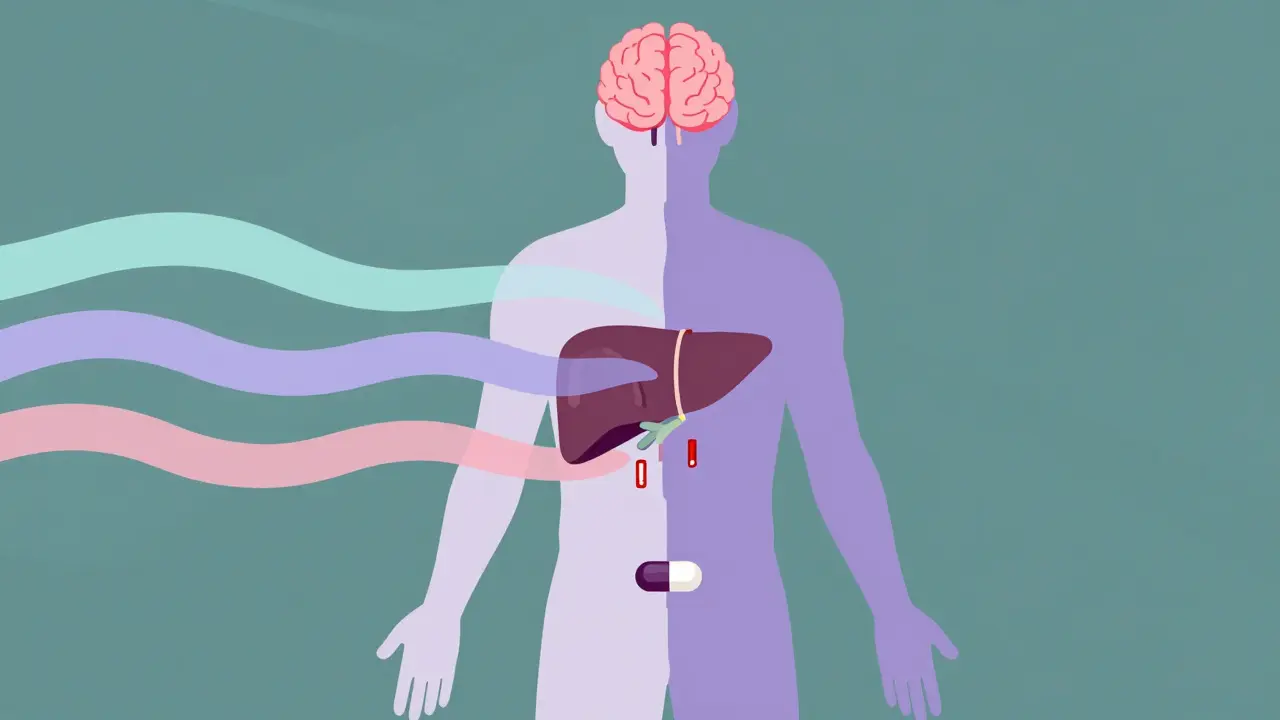
Think of your body like a thermostat. It doesn’t instantly adapt to big changes. When you introduce a medication, your brain, liver, and kidneys need time to adjust. Dose titration gives them that time. For example, antidepressants like SSRIs can cause nausea, insomnia, or sexual side effects in the first week. But if you start at 10% of the target dose and increase every 7-10 days, those side effects drop by 40-60%, according to a 2021 meta-analysis in the Journal of Clinical Psychopharmacology.
Not all drugs are the same. Stimulants like Adderall or Vyvanse for ADHD are usually titrated over 4-6 weeks, starting at 5mg and increasing by 5mg weekly. Non-stimulants like atomoxetine take longer-8 to 12 weeks-because they work differently in the body. For epilepsy drugs like lamotrigine, skipping titration can lead to life-threatening skin reactions like Stevens-Johnson syndrome. That’s why doctors follow strict schedules: 25mg weekly for the first month, then slow increases.
Even blood thinners like warfarin require careful titration. Its therapeutic range is razor-thin: INR 2.0-3.0. Too low, and you risk clots. Too high, and you bleed. Studies show 67% of warfarin patients need dose changes in the first month. Newer anticoagulants like apixaban have wider safety margins, so titration is less intense-but still often used in older adults or those with kidney issues.
Real-World Titration Protocols You Should Know
Every medication has its own rhythm. Here’s what real protocols look like:
- Venetoclax (for leukemia): Starts at 20mg/day in Week 1, then 50mg, 100mg, 200mg, and finally 400mg by Week 5. This prevents tumor lysis syndrome, a dangerous release of toxins from dying cancer cells.
- Perampanel (for seizures): Begins at 2mg daily, increases by 2mg each week until reaching 4-12mg. Patients who skip steps report dizziness and falls.
- Levothyroxine (for hypothyroidism): Starts at 25-50mcg, increases by 25mcg every 4-6 weeks. Blood tests check TSH levels before each jump.
- Beta-blockers (for heart failure): The American Heart Association says gradual up-titration cuts dropout rates from 45% to just 18%. Starting at 1.25mg of carvedilol and doubling every 2 weeks is standard.
These aren’t suggestions-they’re safety rules. Skipping them isn’t just risky; it’s why so many people stop their meds.
What Happens When Titration Is Ignored
On Reddit’s r/ADHD community, 68% of medication posts mention titration. The most common story? “My doctor started me at 20mg Adderall. I was shaking, anxious, couldn’t sleep. I quit for two years.” That’s not uncommon. A 2022 ADDitude Magazine survey found that only 41% of patients who skipped titration reported manageable side effects. Those who followed the schedule? 74% said they could stay on the medication.
It’s not just ADHD. Patients on antidepressants, anticonvulsants, and even pain meds report the same pattern. When doctors rush to the “effective dose,” they assume everyone responds the same. But bodies vary. A 50-year-old woman with liver issues needs a slower ramp than a 25-year-old man. Genetics, weight, other meds, and even gut health affect how a drug is processed.
One patient told Healthgrades: “My doctor said, ‘Just take the pill.’ I got dizzy and quit. Later, I found out I should’ve started at 10mg. I’m on it now, and I feel normal.” That’s the difference titration makes.
How to Make Titration Work for You
Titration isn’t passive. You have to be active. Here’s how:
- Track everything. Use a simple journal: note your dose, time taken, side effects (on a scale of 1-10), mood, sleep, appetite. Apps like TitrationTracker (FDA-cleared in 2023) use AI to spot patterns and suggest adjustments.
- Wait between increases. Don’t rush. Give your body 7-14 days between dose changes. Side effects often fade after a week. Jumping too fast means you can’t tell if it’s the new dose or the old one causing trouble.
- Take meds consistently. Timing matters. Taking your pill 30 minutes before or after your usual time can change absorption. Set phone reminders.
- Communicate clearly. Don’t say, “I feel weird.” Say, “I’ve had headaches every day since Tuesday, and my heart races after lunch.” Specifics help your doctor adjust smarter.
- Use food wisely. Some meds (like lamotrigine or venetoclax) cause less nausea when taken with food. Ask your pharmacist.
Patients who kept logs were 78% more likely to succeed in their titration, according to Healthgrades data. It’s not magic-it’s data.

The Future: Personalized Titration Is Here
Titration is getting smarter. Pharmacogenetic testing can now tell you if you’re a slow or fast metabolizer of certain drugs. For 28 medications-including SSRIs, blood thinners, and painkillers-your DNA can guide your starting dose. By 2025, 12 more will have official guidelines.
Research in Nature Digital Medicine (March 2023) showed AI-assisted titration reduced side effects by 32% compared to standard care. In the next five years, personalized titration based on genetics, weight, and lifestyle will become standard for 75% of high-risk drugs, according to the American College of Clinical Pharmacology.
But this tech isn’t everywhere. In low-income countries, only 22% of clinics have formal titration protocols, per the WHO. Access still lags behind science.
When Titration Isn’t the Answer
Titration isn’t for every situation. In emergencies-like a heart attack, anaphylaxis, or status epilepticus-you need the full dose immediately. There’s no time to wait. But for chronic conditions? Almost always, slow is safer.
If you’re on a medication with a narrow therapeutic index (like warfarin, lithium, or valproate), titration isn’t optional. If you’re on something newer with a wide safety margin (like sertraline or metformin), your doctor might still start low-just to avoid discomfort.
Remember: The goal isn’t just to get better. It’s to get better without making you feel worse in the process.
Final Thoughts: Patience Is the Best Dose
Dose titration isn’t glamorous. It doesn’t make headlines. But it’s one of the most effective, underused tools in medicine. It turns a trial-and-error process into a science. It saves people from quitting meds they could’ve tolerated. It prevents hospitalizations from avoidable reactions.
If you’re starting a new medication, ask: “What’s the titration plan?” If your doctor doesn’t have one, ask why. If they say, “Just start at the full dose,” get a second opinion. You deserve a treatment that works for your body-not one that just fits a textbook.
What does dose titration mean?
Dose titration is the process of gradually adjusting the amount of a medication to find the lowest effective dose that controls symptoms while minimizing side effects. It’s used for drugs where the difference between a helpful dose and a harmful one is small.
How long does dose titration take?
It varies by drug. Stimulants for ADHD usually take 4-6 weeks. Non-stimulants like atomoxetine take 8-12 weeks. Blood thinners like warfarin may need weekly checks for the first month. Some medications, like lamotrigine, require 5 weeks just to reach a safe maintenance dose.
Can I skip titration and start at the full dose?
For some medications, yes-but it’s risky. For others, like venetoclax or lamotrigine, skipping titration can cause life-threatening reactions. Even for safer drugs, starting high often leads to side effects that make you quit the medication altogether. Always follow your doctor’s protocol.
What if I miss a dose during titration?
Don’t double up. If you miss a dose, take it as soon as you remember-if it’s within a few hours. If it’s been longer, skip it and resume your schedule the next day. Never try to catch up. Contact your doctor if you miss more than two doses in a row.
Do I need blood tests during titration?
It depends on the drug. Warfarin requires INR blood tests weekly at first. Lithium and some anticonvulsants need regular blood level checks. For most antidepressants or ADHD meds, blood tests aren’t needed-symptom tracking and doctor visits are enough.
Are there apps to help with titration?
Yes. The FDA-cleared TitrationTracker app, launched in January 2023, helps users log symptoms and side effects. It uses AI to suggest optimal dose changes based on your data. Other apps like Medisafe and MyTherapy also offer reminder and tracking features.
Why do some doctors skip titration?
Some doctors skip it due to time pressure, lack of training, or assuming patients will tolerate the full dose. Others may be following outdated guidelines. But research shows that skipping titration leads to higher dropout rates. If your doctor doesn’t offer a plan, ask for one-or seek a provider who uses evidence-based protocols.
13 Comments
Write a comment