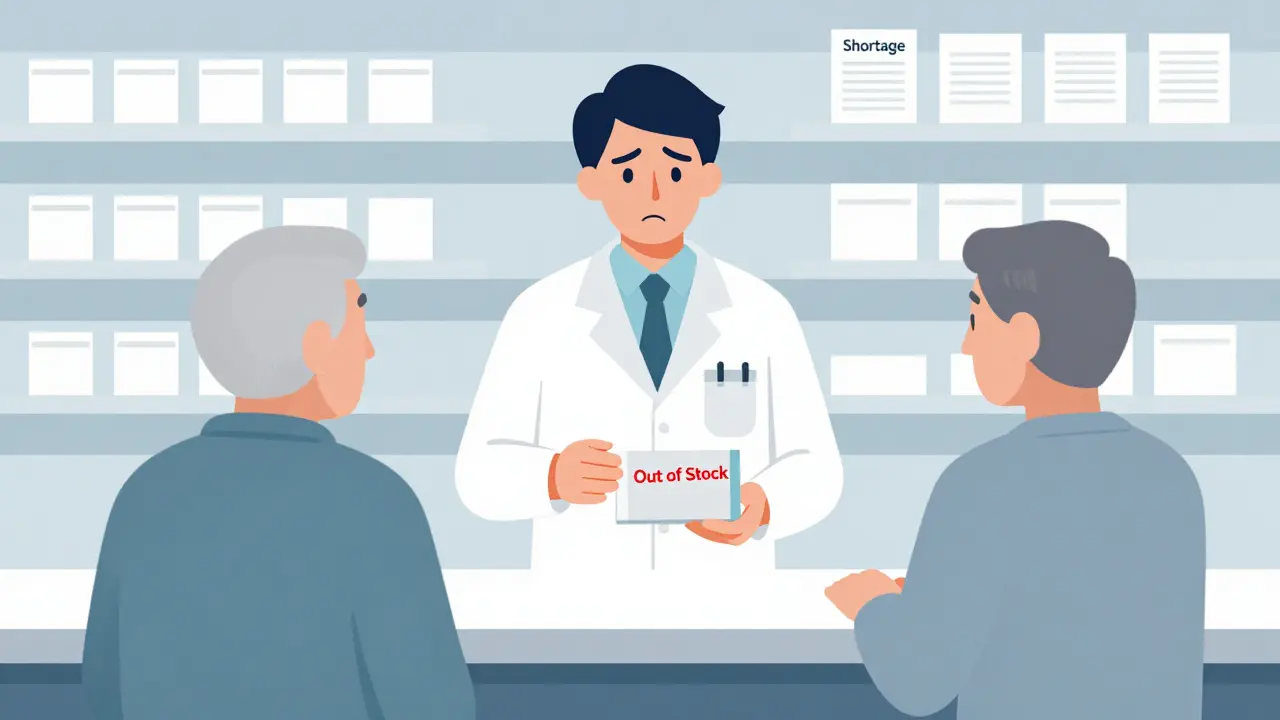
Imagine walking into a hospital pharmacy and being told the medication your parent needs for their heart condition is simply gone. Not out of stock temporarily, but unavailable because the manufacturer stopped making it or couldn't keep up with demand. This isn't a rare glitch in the system; it is becoming a daily reality for millions of Americans. As of late 2025, nearly 300 drugs are facing shortages, with almost half classified as critical medications needed for life-threatening conditions.
You might wonder why Congress hasn't fixed this yet. The truth is, they have tried. In the 119th Congress (2025-2026), lawmakers introduced specific bills aimed at stopping these shortages before they start. However, these efforts hit a wall when the U.S. government faced its longest-ever shutdown starting in October 2025. Today, we look at what these proposed laws actually do, who is behind them, and why they remain stuck in committee while patients suffer.
The Core Problem: Why Drugs Disappear
To understand the solution, you first need to grasp the scale of the problem. The Food and Drug Administration (FDA), the agency responsible for monitoring drug safety and availability, reported that 287 drugs were in shortage as of September 30, 2025. Of these, 47% were deemed "critical," meaning there are no therapeutic alternatives available for patients relying on them.
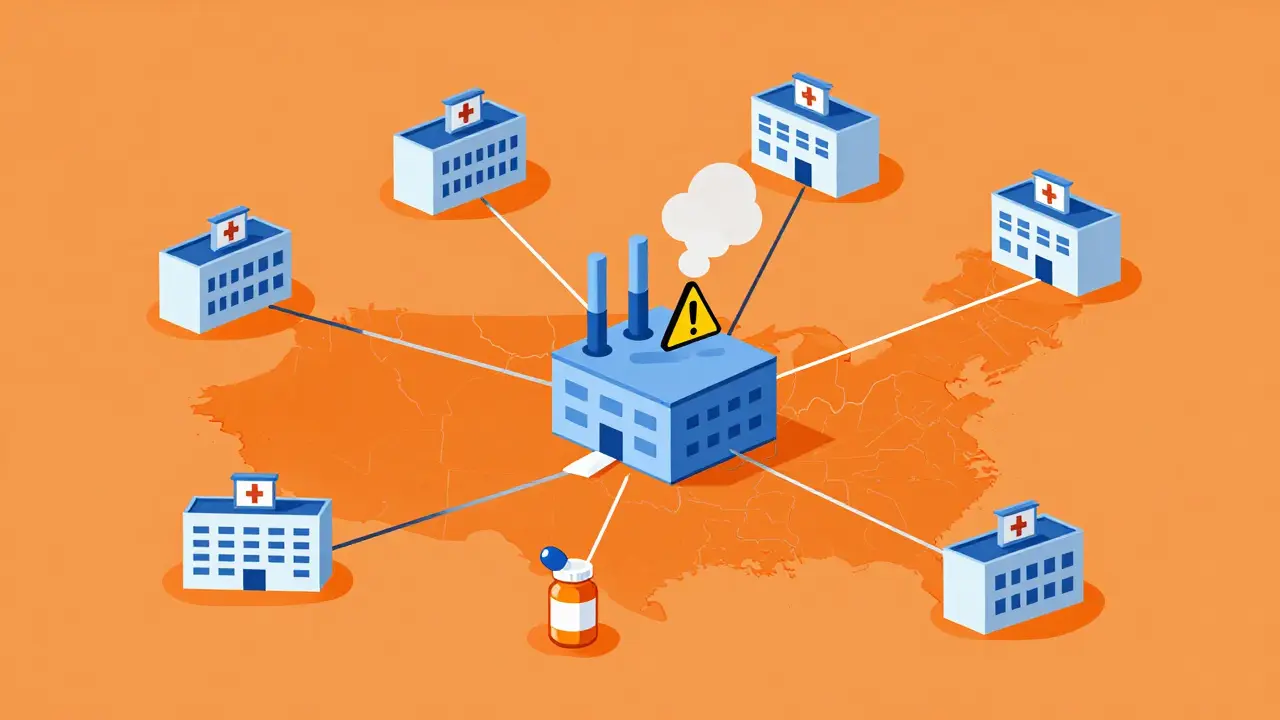
Why does this happen? It usually comes down to manufacturing issues. According to the Association for Accessible Medicines, manufacturing delays caused 63% of current drug shortages. A single contamination event at one plant can wipe out the supply of a generic antibiotic used nationwide. Unlike branded drugs, many generics are made by only one or two manufacturers. If one fails, the entire supply chain breaks.
This crisis extends beyond pills. We are also facing a severe healthcare provider shortage. The Health Resources and Services Administration (HRSA) data shows that 122 million Americans live in primary care Health Professional Shortage Areas. Even if the drugs were available, many people cannot access the doctors needed to prescribe them.
Key Legislative Proposals in the 119th Congress
Lawmakers recognized that reactive measures-waiting until a drug is gone before acting-are not enough. They need early warning systems. Two major bills emerged in the 119th Congress to tackle these distinct but related crises.
| Bill Name & Number | Primary Focus | Key Sponsor | Status (as of Nov 2025) |
|---|---|---|---|
| Drug Shortage Prevention Act of 2025 (S.2665) | Pharmaceutical Supply Chain | Sen. Amy Klobuchar (D-MN) | Referred to Committee; Stalled |
| Health Care Provider Shortage Minimization Act of 2025 (H.R.1160) | Workforce Availability | House Representatives | Introduced; Details Undisclosed |
S.2665: The Drug Shortage Prevention Act
Introduced on August 1, 2025, by Senator Amy Klobuchar, the Drug Shortage Prevention Act of 2025 (S.2665) takes a proactive approach. Its main goal is to amend the Federal Food, Drug, and Cosmetic Act to require pharmaceutical manufacturers to notify the FDA when they anticipate increased demand for critical drugs.
Think of it like a weather alert for medicine. Currently, the FDA often finds out about shortages after hospitals run dry. S.2665 would force manufacturers to flag potential issues earlier. This allows the FDA to intervene, perhaps by expediting approvals for alternative suppliers or adjusting import rules.
However, the bill has gaps. As of November 2025, public records did not specify exactly which drugs qualify as "critical" or what penalties manufacturers face if they fail to report. Without clear definitions and enforcement mechanisms, the effectiveness of such notifications remains uncertain.
H.R.1160: Addressing the Human Resource Gap
While S.2665 focuses on pills, H.R.1160 addresses the people who prescribe them. Titled the Health Care Provider Shortage Minimization Act of 2025, this House bill aims to reduce the deficit in healthcare workers.
The details here are scarcer. Congressional records provide the title but lack a detailed summary or list of sponsors. Given the context, experts assume it likely involves funding for medical education, loan forgiveness programs, or incentives for rural practice. With the American Association of Medical Colleges projecting a shortage of 124,000 physicians by 2034, any legislation targeting workforce growth is vital. Yet, without published text, it is impossible to know if H.R.1160 offers concrete solutions or just broad promises.
The Government Shutdown: A Massive Roadblock
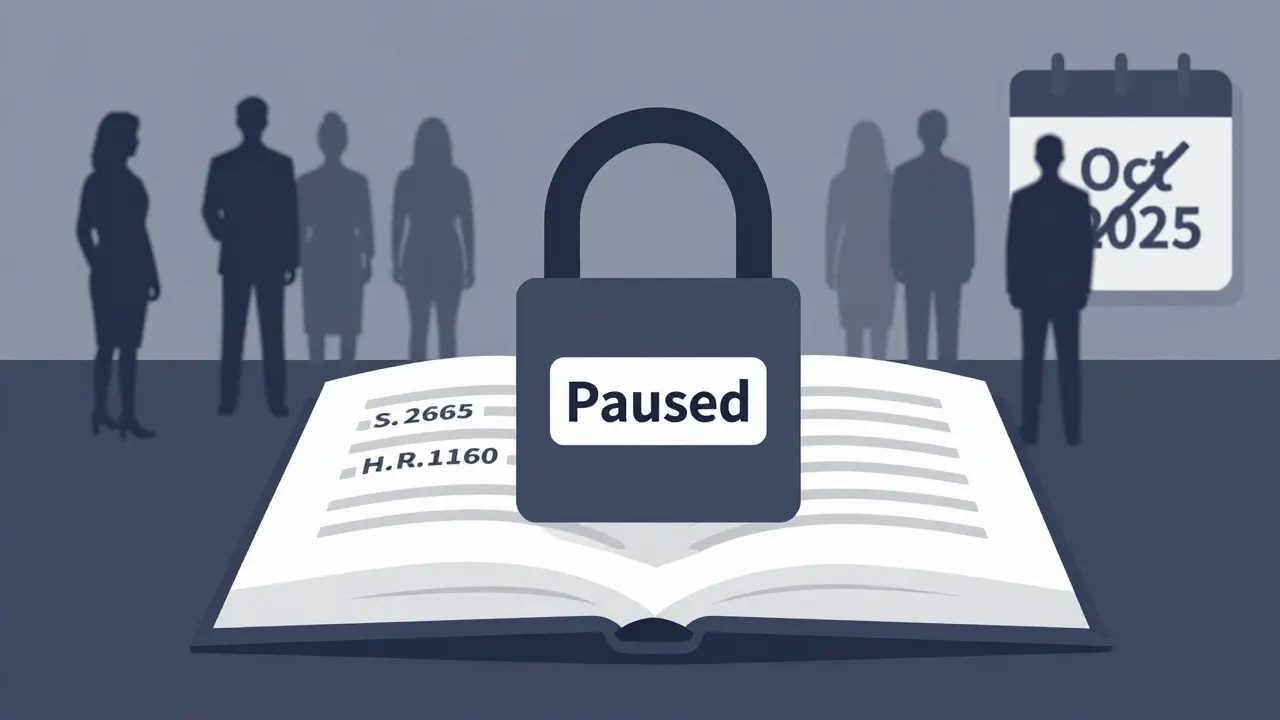
Even if these bills were perfect, they face an existential threat: the federal government shutdown. Starting October 1, 2025, the U.S. entered its longest shutdown in history. By mid-November, this had frozen most legislative activity.
Here is why this matters for drug shortages:
- FDA Personnel Furloughed: Approximately 800,000 federal workers were sent home, including key staff at the FDA who monitor the Drug Shortage Portal.
- System Degradation: Without maintenance, the online tools hospitals use to track shortages became unreliable, making it harder to coordinate supplies during a crisis.
- Legislative Freeze: Non-essential bills, including S.2665 and H.R.1160, were effectively paused. Committees could not hold hearings or mark up the text.
The economic cost was staggering. The Congressional Budget Office estimated the shutdown would cost the economy $1.5 billion per day. More importantly for patients, the continuing resolution proposed by Senate Republicans in November 2025 contained no provisions addressing drug or provider shortages. This signaled that despite the urgency, shortage mitigation was deprioritized in favor of broader budget battles.
Impact on Patients and Providers
While politicians debate budgets, the impact on the ground is severe. A survey by the American Medical Association in September 2025 found that 87% of physicians reported experiencing drug shortages affecting patient care. Yet, only 12% knew about the introduction of H.R.1160. This disconnect highlights a major failure in communication between Washington and clinical practice.
Hospitals are bearing the brunt. The American Hospital Association reported that 98% of surveyed hospitals experienced at least one critical drug shortage in Q3 2025. Pharmacists spend hours each day searching for alternative suppliers, calling other hospitals, and explaining to frustrated patients why their usual medication is unavailable. This diverts time from direct patient care and increases administrative costs.
For patients, the consequences can be dire. When a critical drug like insulin or chemotherapy agents is scarce, patients may experience worsened health outcomes, delayed treatments, or forced switches to less effective therapies. The anxiety of not knowing if you will get your next dose adds a significant psychological burden to already stressful health situations.
Challenges to Implementation
Assuming the shutdown ends and these bills move forward, implementation hurdles remain. The Congressional Budget Office estimated that effective oversight for S.2665 would require approximately $45 million annually. In a fiscal environment marked by a $1.74 trillion deficit and recent rescissions of billions in foreign aid, finding new money for domestic regulatory oversight is politically difficult.
Furthermore, changing manufacturer behavior is hard. Pharmaceutical companies operate on thin margins for generic drugs. Requiring additional reporting burdens may lead to resistance unless paired with financial incentives or streamlined approval processes for competitors. Without buy-in from industry stakeholders, notification systems risk becoming mere paperwork exercises that do not prevent actual shortages.
What Comes Next?
As we move through late 2025 and into 2026, the fate of these bills hangs in the balance. If the shutdown persists past January 30, 2026-the end date of the proposed continuing resolution-both S.2665 and H.R.1160 may expire with the 119th Congress. This would leave critical shortage issues without legislative remedies until the 120th Congress convenes in January 2027.
Stakeholders, including healthcare providers and patient advocacy groups, must continue to pressure lawmakers. Public awareness is crucial. When citizens understand that drug shortages are not inevitable acts of nature but failures of supply chain management and policy, they can demand better accountability. Until then, the cycle of scarcity continues, leaving patients and providers to navigate a broken system alone.
What is the Drug Shortage Prevention Act of 2025 (S.2665)?
S.2665 is a bill introduced by Senator Amy Klobuchar that amends the Federal Food, Drug, and Cosmetic Act. It requires pharmaceutical manufacturers to notify the FDA when they anticipate increased demand for critical drugs, aiming to prevent shortages before they occur.
Why are drug shortages happening so frequently in 2025?
Manufacturing delays account for 63% of current shortages. Many generic drugs are produced by only one or two manufacturers, so a single production issue can cause nationwide scarcity. Additionally, supply chain vulnerabilities and lack of early warning systems exacerbate the problem.
How did the 2025 government shutdown affect drug shortage efforts?
The shutdown furloughed FDA personnel responsible for monitoring shortages and degraded the functionality of the Drug Shortage Portal. It also froze legislative progress on bills like S.2665 and H.R.1160, halting potential solutions.
What is H.R.1160 and what does it address?
H.R.1160, the Health Care Provider Shortage Minimization Act of 2025, aims to address the deficit in healthcare workers. While specific details are scarce, it likely involves measures to increase the number of physicians and other providers, particularly in underserved areas.
Are there any penalties for manufacturers who fail to report shortages under S.2665?
As of November 2025, the publicly available text of S.2665 did not specify penalty structures for non-compliance. This lack of detail raises questions about the bill's enforceability.
How many drugs were in shortage as of late 2025?
According to FDA records, 287 drugs were in shortage as of September 30, 2025. Nearly half of these were classified as critical, meaning no therapeutic alternatives were available.