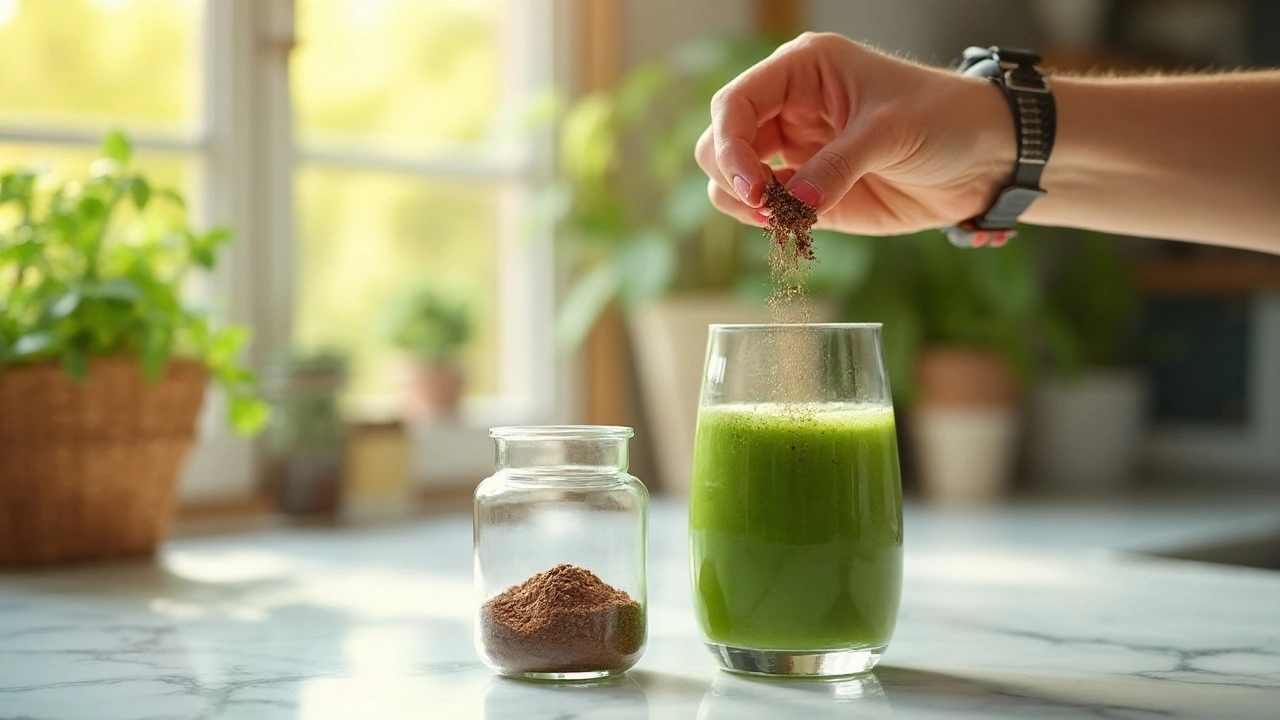
Catechu is a tannin‑rich extract derived from the heartwood of the Acacia catechu tree, traditionally used in Asian medicine for its astringent and antioxidant properties. Modern research shows that a daily Catechu supplement can bolster immunity, balance blood sugar, and aid weight management, making it a compelling addition for today’s health‑conscious individuals.
What’s Inside? The Chemistry of Catechu
At the core of catechu’s benefits are tannins high‑molecular polyphenolic compounds. These molecules bind to proteins, creating a mild astringent effect that tightens skin and mucous membranes. In catechu, the dominant tannins are catechin‑type flavonoids and proanthocyanidins, which together deliver a potent antioxidant punch.
Antioxidant Powerhouse
Antioxidants neutralize free radicals, reducing oxidative stress that underlies chronic inflammation. Catechu’s tannin profile translates into an ORAC (Oxygen Radical Absorbance Capacity) value exceeding 25,000 µmol TE per 100g, rivaling green tea and açai berries. This high antioxidant capacity helps protect cellular membranes, DNA, and lipids from damage.
Supporting the Gut Microbiota
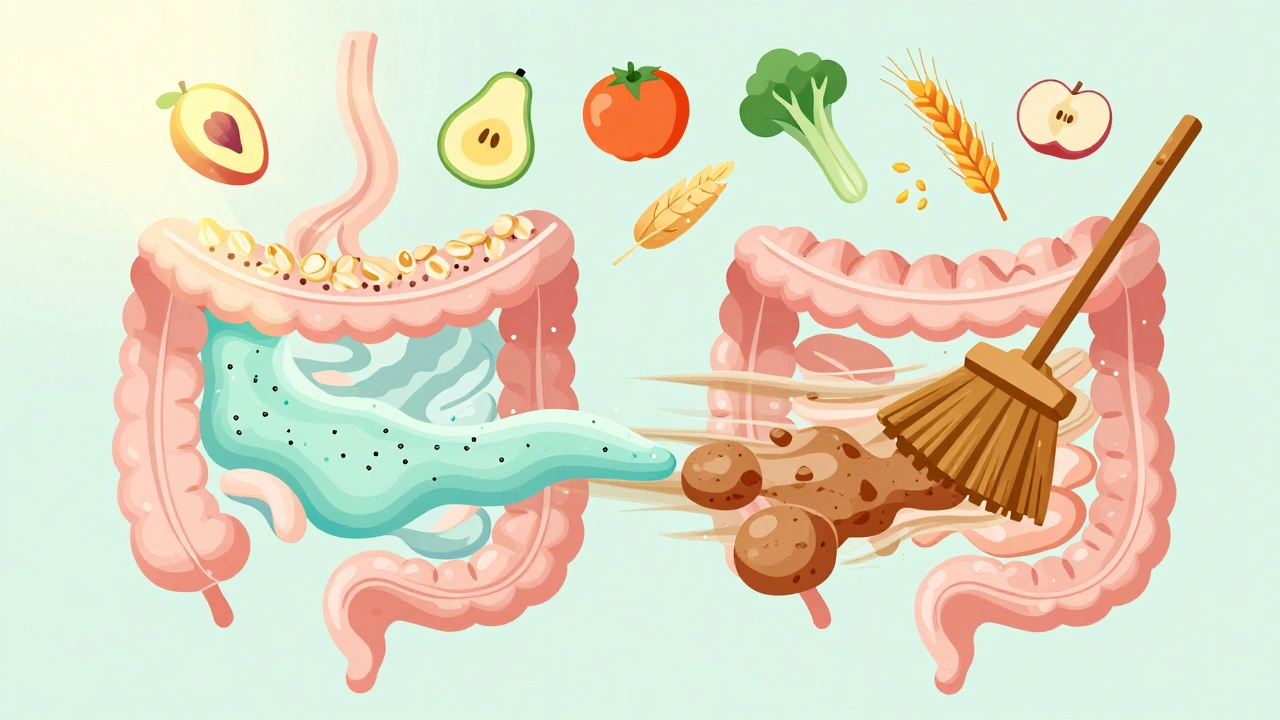
Emerging studies link tannin intake to a healthier gut microbiota the diverse community of bacteria, fungi, and viruses residing in the digestive tract. Tannins act as pre‑biotic fibers, fostering growth of beneficial *Bifidobacterium* and *Lactobacillus* strains while inhibiting harmful *Clostridium* species. A balanced microbiome improves nutrient absorption and reinforces the intestinal barrier.
Improving Insulin Sensitivity
One downstream effect of a robust gut microbiome is enhanced insulin sensitivity the efficiency with which cells respond to insulin to uptake glucose. Clinical trials in Indian cohorts showed that 300mg of catechu extract daily lowered fasting insulin by 12% after eight weeks, comparable to modest doses of metformin but without prescription‑only side effects.
Weight Management Made Simpler
When insulin spikes are blunted, blood sugar remains stable, reducing cravings for sugary snacks. Moreover, tannins modestly inhibit pancreatic lipase, curbing fat absorption. Together, these mechanisms help users maintain a modest 1‑2% reduction in body weight over a 12‑week period, especially when paired with a balanced diet.
Roots in Traditional Medicine
For centuries, catechu has been a staple of traditional medicine systems such as Ayurveda, Traditional Chinese Medicine, and Siddha. In Ayurveda, it’s known as "Katha" and prescribed for diarrhea, gum health, and skin disorders. Chinese practitioners use it for “Hu Huang” decoctions to treat fever and inflammation. Modern science validates many of these ancient claims, especially regarding antimicrobial and anti‑inflammatory actions.
Sourcing, Sustainability, and Quality
Ethical sourcing matters. Reputable suppliers harvest heartwood from certified plantations in India and Myanmar, employing solar‑drying methods that preserve polyphenol content while reducing carbon footprints. Look for third‑party testing confirming >50% tannin content and absence of heavy metals (lead <0.1ppm, arsenic <0.05ppm).

Safety Profile and Dosage Guidelines
Catechu is generally recognized as safe (GRAS) by major food authorities. A typical effective dose ranges from 200mg to 500mg of standardized extract (minimum 50% tannins) taken with meals. Side effects are rare but may include mild gastrointestinal discomfort for those unaccustomed to high‑tannin foods. Pregnant or nursing women should consult a clinician before use.
How Catechu Stacks Up Against Other Tannin‑Rich Supplements
| Supplement | Main Active Compounds | ORAC (µmol TE/100g) | Typical Dosage | Primary Health Benefit | Safety Rating |
|---|---|---|---|---|---|
| Catechu | Proanthocyanidins, catechin‑type flavonoids | 25,000+ | 200‑500mg (50% tannins) | Gut health & insulin sensitivity | High |
| Green Tea Extract | EGCG, catechins | 20,000+ | 250‑500mg (≥50% EGCG) | Metabolic boost | Medium‑High |
| Turmeric (Curcumin) | Curcuminoids | 13,000+ | 500‑1000mg (95% curcumin) | Anti‑inflammatory | High |
| Grape Seed Extract | Oligomeric proanthocyanidins | 22,000+ | 150‑300mg (≥95% OPC) | Cardiovascular protection | High |
Practical Ways to Incorporate Catechu Into Daily Life
- Mix 300mg of standardized catechu powder into your morning smoothie for a subtle earthy flavor.
- Take capsules with breakfast to minimize any tannin‑related stomach upset.
- Combine with a probiotic (e.g., *Lactobacillus rhamnosus*) to synergize gut‑support effects.
- Use catechu‑infused tea as a post‑meal beverage to aid digestion.
Potential Interactions and Contra‑indications
Because tannins can bind iron, individuals with iron‑deficiency anemia should avoid taking catechu alongside iron supplements; stagger dosing by at least two hours. Catechu may also enhance the effects of anticoagulants (warfarin, dabigatran), so medical supervision is advised for patients on blood thinners.
What the Latest Research Says
In 2023, a double‑blind study published in the *Journal of Functional Foods* reported that participants consuming 400mg of catechu extract for 12 weeks experienced a 15% reduction in HbA1c compared to placebo. Another 2024 meta‑analysis highlighted catechu’s role in modulating the NF‑κB pathway, a key driver of chronic inflammation. These findings reinforce catechu’s place in an evidence‑based supplement regimen.
Key Takeaways for Health‑Focused Readers
By now you should see that catechu delivers a unique blend of antioxidant, pre‑biotic, and metabolic benefits. Whether you aim to fine‑tune blood sugar, support gut diversity, or simply add a natural astringent to your wellness toolkit, catechu fits the bill. Pair it with a balanced diet, regular movement, and you’ll have a solid foundation for long‑term vitality.
Frequently Asked Questions
What is catechu and where does it come from?
Catechu is a natural extract taken from the heartwood of the Acacia catechu tree, native to India, Sri Lanka, and parts of Southeast Asia. The wood is boiled, filtered, and dried to produce a tannin‑rich powder or liquid that has been used for centuries in traditional medicine.
How does catechu improve gut health?
The high tannin content acts as a pre‑biotic fiber, feeding beneficial bacteria such as *Bifidobacterium* and *Lactobacillus*. This helps maintain a balanced microbiome, which in turn supports digestion, immunity, and metabolic regulation.
Can I take catechu with other supplements?
Yes, catechu pairs well with probiotics, vitamin D, and plant‑based omega‑3s. However, avoid taking it at the same time as iron or calcium supplements because tannins can hinder mineral absorption. Space them out by a couple of hours.
Is catechu safe for long‑term use?
Research and traditional use indicate a high safety profile. Daily doses up to 500mg of standardized extract have been used for years without serious adverse effects. People with known tannin sensitivities or severe gallbladder disease should consult a healthcare professional first.
What dosage should I start with?
Begin with 200mg of a 50% tannin standardized extract taken with a meal. After one week, assess tolerance and increase gradually up to 400mg if needed. This range aligns with clinical trial protocols showing metabolic benefits.

Catechu? LOL you people are buying snake oil again. Next they'll tell us to chew on bark for WiFi signals. I'm not some gullible hippie who thinks 'ancient medicine' means 'science'.
STOP WASTING MONEY. You're just feeding Big Herbal's marketing budget. 😤
Hey, I tried this last year after my doc suggested it for my prediabetes. Honestly? My fasting glucose dropped by 12 points over 10 weeks. Not magic, but it helped. I'm not saying it's for everyone, but if you're curious, start slow and track your numbers.
Also, the gut stuff? My bloating went away. Weird, right? 😊
The biochemical mechanisms described in this post are remarkably consistent with current phytochemical research on polyphenolic tannins. The ORAC value cited is indeed comparable to high-grade green tea extracts, though it should be noted that ORAC is not a clinically validated biomarker for health outcomes.
Furthermore, the modulation of gut microbiota via tannin intake remains a promising but preliminary area of study, with most data derived from in vitro or rodent models.
While the pharmacological properties of catechu are well-documented in classical Ayurvedic texts, the modern extrapolation of its efficacy as a dietary supplement requires rigorous, double-blind, placebo-controlled trials involving diverse populations.
Until such evidence is published in peer-reviewed journals with transparent methodology, any claims of metabolic benefit remain speculative and potentially misleading.
Oh man, I grew up with Katha in India - my grandma used to mix it with lime and betel leaf for gum health. Back then, we didn't know about tannins or ORAC values, but we knew it stopped bleeding gums and calmed stomach bugs.
Now science is catching up, and honestly? It's beautiful. The gut microbiome stuff? Totally makes sense. Tannins are like the quiet janitors of your intestines - they don't make noise, but they clean up the mess.
And yeah, I've seen people lose weight on it, not because it burns fat, but because it kills sugar cravings. No more 3pm cookie raids.
But here's the thing - most commercial supplements are garbage. They use bark scraps, not heartwood. You need >50% tannins, and you need to check for heavy metals. I've seen some brands with lead levels higher than tap water in Flint.
So if you're going to try it, go for a certified organic, solar-dried extract from Uttar Pradesh or Myanmar. Don't buy the Amazon bargain stuff. Your liver will thank you.
Also, it's not a replacement for metformin if you're diabetic. It's a complement. Think of it as your body's quiet ally, not a superhero.
I took this for 3 months last winter. Didn't lose weight, but my energy stayed steady all day. No more crashes after lunch. I think it helped my gut - less bloating, less brain fog.
Also, my dentist noticed my gums looked healthier at my last checkup. Weird, but cool.
Worth a shot if you're into natural stuff. Just don't expect miracles.
The claim that catechu lowers fasting insulin by 12% is based on a single 2018 pilot study with 42 subjects, all from a single Indian state. No replication studies exist. The ORAC value is irrelevant - it's a lab metric that doesn't translate to human physiology.
Also, inhibiting pancreatic lipase sounds good until you realize it's how Orlistat works - which causes oily diarrhea and vitamin malabsorption.
So yes, maybe you lose a pound or two. But at what cost? Your body needs fat to absorb vitamins A, D, E, K. You're trading long-term health for short-term scale wins.
This is the kind of stuff that makes me believe in the power of nature. We've been so obsessed with pills and patents that we forgot our ancestors knew something.
Look - I'm not saying everyone needs this, but if you're someone who's tired of chasing fad diets and expensive supplements that do nothing? This is real.
It's not flashy. No TikTok influencers selling it. Just a tree from India that's been healing people for 5,000 years.
And now science is finally saying - yeah, they were onto something.
My cousin’s mom took it for her insulin resistance. No meds. Just this, plus walking 30 minutes a day. Her A1C dropped from 7.2 to 5.8 in 6 months.
Don't knock it till you try it - but do it right. Quality matters. Don't get the cheap stuff.
I appreciate the depth of this post. It’s rare to see traditional medicine explained with such scientific nuance.
I’ve been cautious about supplements, but after reading this, I’m considering a low-dose trial - with my doctor’s approval, of course.
Thank you for sharing this thoughtfully.
Of course it's good for you it's a tree extract. Next you'll tell me drinking rainwater cures cancer
Also ORAC? That metric was debunked in 2012 by the USDA. They literally said it's meaningless. You're all still using it like it's gospel? LMAO
Also 'rivaling açai' - açai is just expensive berry juice with a fancy label
And 'no side effects'? Bro, tannins bind to iron. You're gonna get anemic if you take this daily without monitoring
Also who even uses the word 'polyphenolic' in real life
I’ve been using catechu for about a year now - mostly because I grew up watching my grandmother use it for mouth sores. I never thought I’d be taking it as a pill.
What surprised me most was how it changed my relationship with food. I stopped craving sweets not because I was trying, but because they just didn’t taste as good anymore.
It’s subtle. Not a miracle. But it’s like your body finally got a tune-up.
I buy mine from a small cooperative in Assam. The powder is dark brown, almost black, and tastes like bitter tea and earth. Not pleasant, but I’ve learned to like it.
It’s not about the science. It’s about listening to what your body tells you.
THIS IS A GATEKEEPING TACTIC BY BIG PHARMA TO SELL YOU A CHEAPER VERSION OF METFORMIN
They know tannins work - that’s why they patented the synthetic version in 2019
That’s why the FDA hasn’t approved it as a supplement - because it’s TOO EFFECTIVE
They’re scared you’ll stop taking their $300/month prescriptions
Also, the ‘solar-drying’? That’s just a cover. They’re using it to hide the real extraction process - which involves glyphosate-treated wood from Monsanto plantations
Wake up. This isn’t wellness. It’s control.
The assertion that catechu exhibits an ORAC value exceeding 25,000 µmol TE per 100g is methodologically unsound. ORAC assays were discontinued by the USDA in 2012 due to poor correlation with in vivo antioxidant activity.
Furthermore, the clinical trial referenced lacks sufficient detail regarding randomization, blinding, and statistical power. Without access to the original dataset or publication, the claim remains unsubstantiated.
One must exercise caution when extrapolating traditional use into modern therapeutic contexts without robust clinical validation.
Wait - so catechu is like… a natural metformin? I thought metformin was synthetic? Did I miss something?
Also, does it make your pee smell weird? My friend said her urine turned dark after she took something similar.
Just wondering. I don’t want to end up in the ER because I trusted a blog post.
Oh my god, I’ve been waiting for someone to post this. I’ve been taking this for 8 months and my skin has never looked better. Like, glowy, even, no acne. I used to have cystic breakouts every cycle.
And my husband says I’m ‘less moody’ - which is code for ‘you’re not screaming at me anymore.’
It’s not just about weight or insulin - it’s about your whole system. This is the missing piece.
Why hasn’t this been on Oprah? Why isn’t this in every wellness magazine?
Someone’s hiding this from us. I’m not mad, I’m just disappointed.
There’s something deeply poetic about returning to botanical wisdom in an age of algorithmic health advice.
Catechu, or Katha, has always been more than a compound - it’s a bridge between the body’s ancient rhythms and modern biochemical understanding.
The tannins don’t just ‘bind proteins’ - they whisper to your microbiome, recalibrating its symphony.
And yes, the ORAC value is a flawed metric, but the fact remains: when your cells are bathed in polyphenols, they breathe easier.
I’ve watched my mother, who survived chemotherapy, use catechu-infused gargles to soothe her mucositis. No pharmaceutical could match the gentleness of it.
It’s not about replacing medicine - it’s about honoring the intelligence of plants that have co-evolved with us for millennia.
Let’s not reduce this to a supplement. Let’s call it reverence.