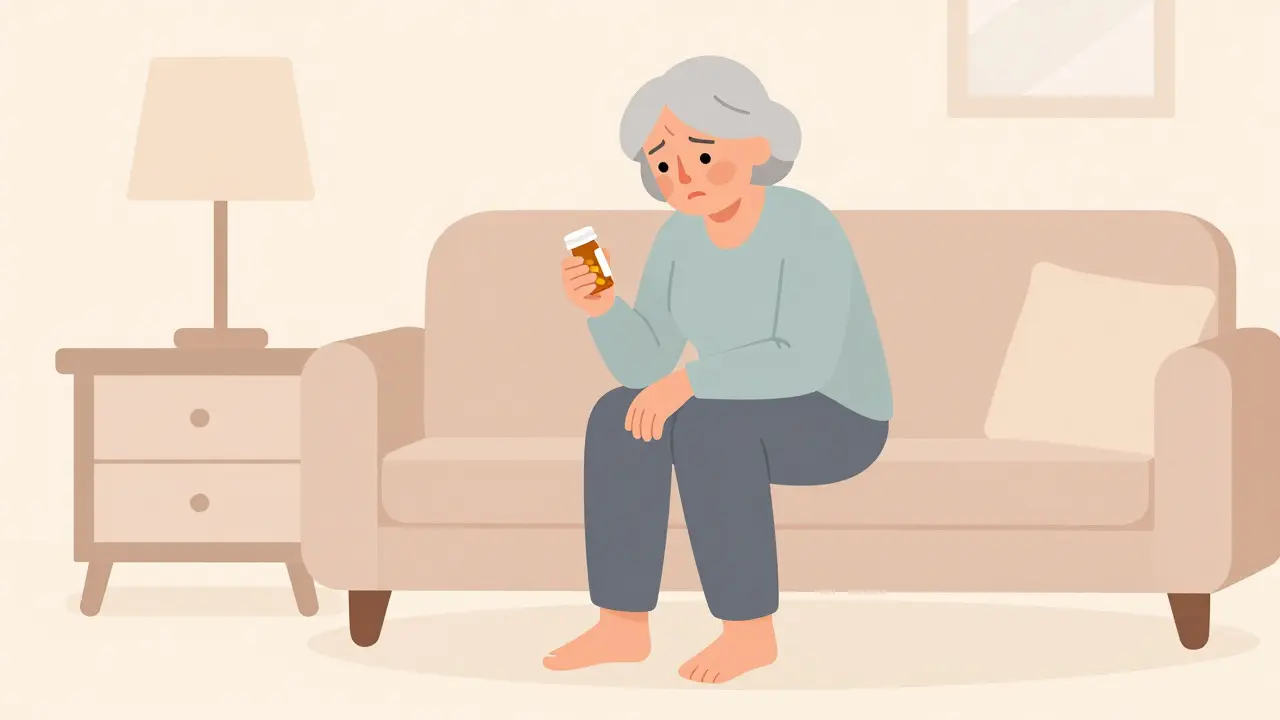
Imagine your 78-year-old mother taking a pill for anxiety that was prescribed years ago. It works, she feels calmer, but lately she’s been stumbling more often and forgetting where she put her keys. This is a common scenario for millions of seniors. Benzodiazepines are a class of psychoactive drugs including Ativan, Xanax, Klonopin, Valium, Librium, and Tranxene used to treat anxiety, insomnia, and seizures. While effective short-term, they carry significant dangers for older adults due to how aging bodies process medication.
The core issue isn't just side effects; it's cumulative harm. According to the American Geriatrics Society (AGS) Beers Criteria updated in 2019, these drugs are classified as potentially inappropriate for older adults. Yet, data shows that 8.9% of seniors aged 65 and older still receive these prescriptions, with 31% being long-term users. Understanding why this happens and what can be done instead is crucial for anyone caring for an elderly parent or managing their own health.
Why Aging Bodies React Differently
Your liver and brain change as you age, and benzodiazepines don't account for these shifts well. In younger adults, the body metabolizes these drugs efficiently. In older adults, hepatic metabolism slows down, meaning the drug stays in the system longer. Simultaneously, the brain becomes more sensitive to the sedative effects of gamma-aminobutyric acid (GABA) enhancement, which is how these drugs work.
This combination leads to heightened sensitivity, particularly with long-acting agents that have half-lives exceeding 20 hours. The result? Acute adverse effects like drowsiness, increased reaction time, ataxia (loss of coordination), and anterograde amnesia (difficulty forming new memories). For a senior, "drowsy" can quickly turn into "unsteady," leading to falls. AAFP (2013) reports that the risk of hip fracture increases by at least 50% in older persons taking these medications. That’s not a small statistic; it’s a life-altering event waiting to happen.
The Hidden Long-Term Dangers
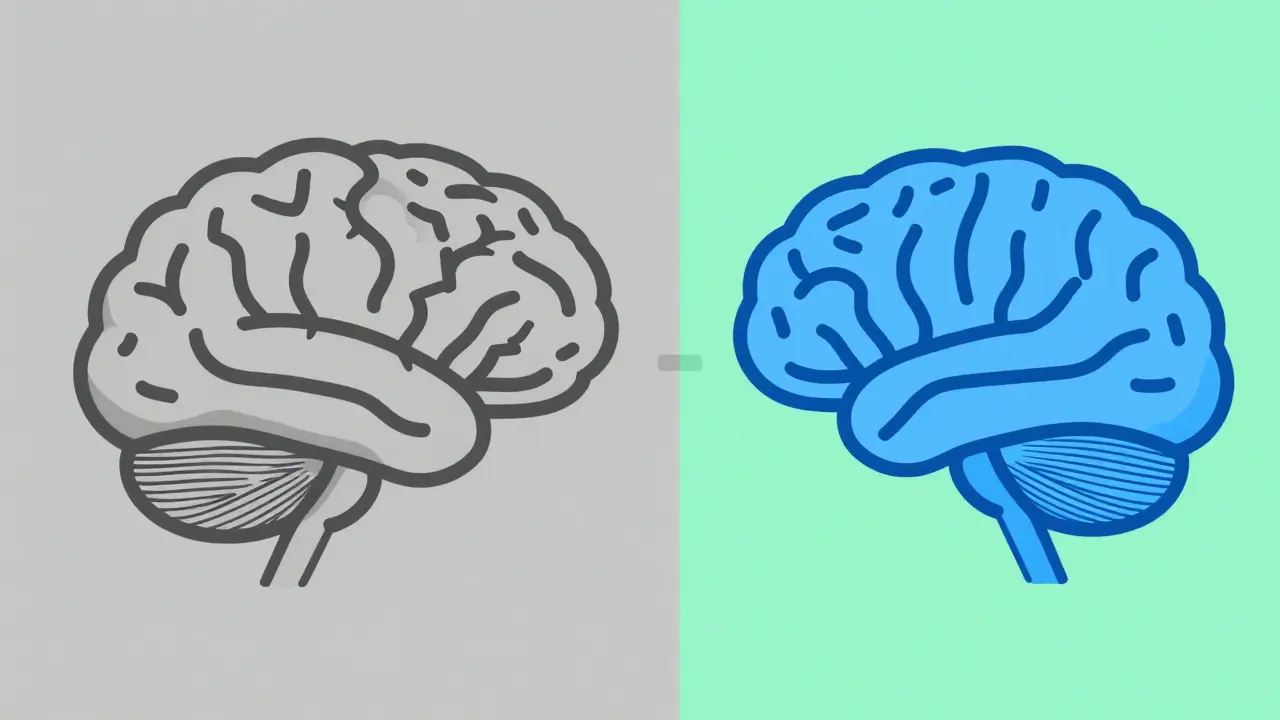
Falls are the most visible risk, but cognitive decline is the silent killer associated with long-term use. A meta-analysis cited in recent geriatric literature showed substantial cognitive decline from long-term benzodiazepine use that did not resolve even three months after discontinuation. But it gets worse. Research from French and Canadian teams found that individuals over 65 taking these drugs for 3-6 months had a 32% increased risk of developing Alzheimer's disease. Those taking them for more than six months faced an 84% increased risk.
Dr. Malaz Boustani, Professor of Medicine at Indiana University School of Medicine, led research showing that benzodiazepines increase dementia risk by 51% in long-term users, with particularly high risks for long-acting agents. If you think about driving, the risk is equally stark. Motor vehicle crash risk while taking benzodiazepines is equivalent to driving with a blood alcohol concentration between 0.050% and 0.079%. Add alcohol or opioids to the mix, and you’re looking at potential respiratory depression and fatal overdose. These aren't theoretical risks; they are documented outcomes in emergency rooms across the country.
Comparing Benzodiazepines to Safer Options
If benzodiazepines are so risky, why do doctors still prescribe them? Often, it’s because they work fast. But for chronic conditions like anxiety or insomnia, speed doesn’t justify the danger. Let’s look at how they stack up against alternatives.
| Feature | Benzodiazepines | CBT-I (Cognitive Behavioral Therapy for Insomnia) | SSRIs/SNRIs | Melatonin Receptor Agonists |
|---|---|---|---|---|
| Primary Use | Anxiety, Insomnia, Seizures | Chronic Insomnia | Anxiety, Depression | Sleep Onset Issues |
| Onset of Action | Immediate (15-30 mins) | 2-4 weeks | 4-6 weeks | Same night |
| Fall/Fracture Risk | High (+50% hip fracture risk) | Low | Low | Low |
| Dementia Risk | Significantly Increased (up to 84%) | No Increase | Neutral/Low | Minimal |
| Dependence Potential | High | None | Moderate | Low |
| Long-Term Efficacy | Wears off after weeks | Sustained Improvement | Sustained Management | Variable |
Cognitive behavioral therapy for insomnia (CBT-I) stands out as a superior non-pharmacological option. Studies show 70-80% of elderly patients experience significant improvement in sleep quality without the safety risks of pills. For anxiety, Selective serotonin reuptake inhibitors (SSRIs) and Serotonin-norepinephrine reuptake inhibitors (SNRIs) are recommended as first-line treatments by SAMHSA. They take longer to work-4 to 6 weeks-but they manage the root cause rather than masking symptoms with sedation. Melatonin receptor agonists like ramelteon offer a safer bridge for sleep onset issues, though they may not help if you wake up multiple times during the night.
The Challenge of Stopping: Deprescribing Strategies
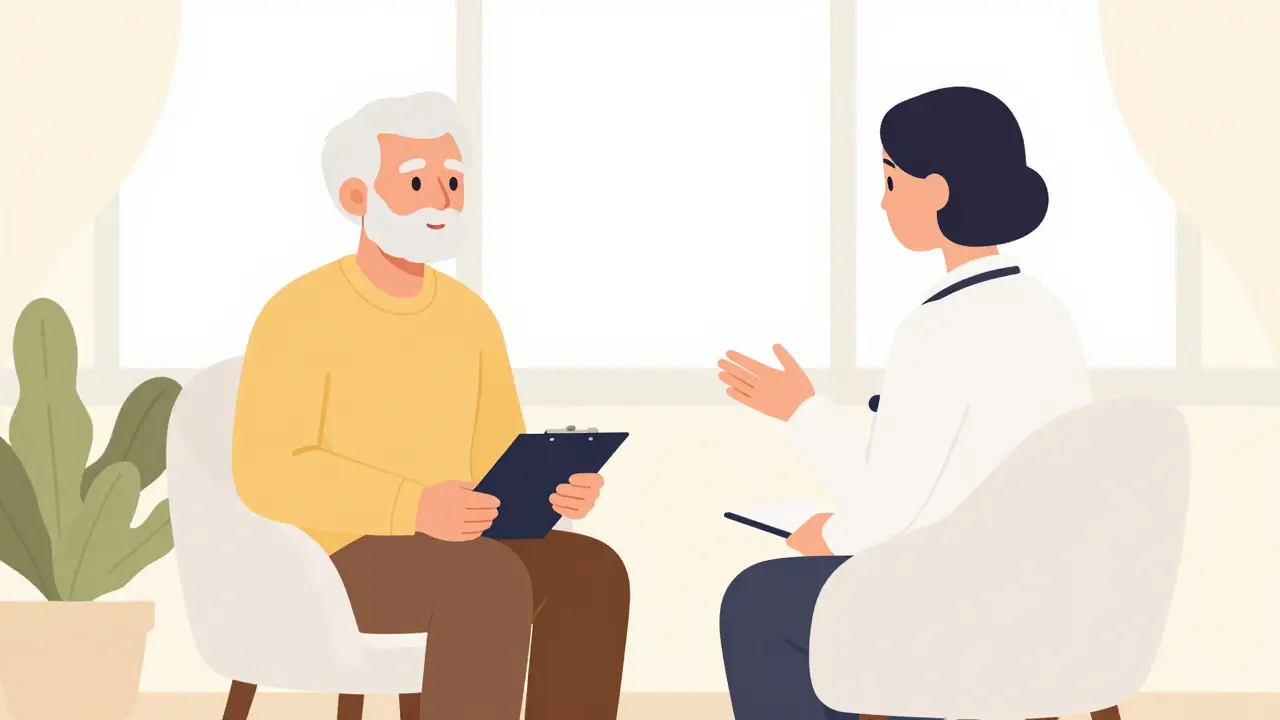
Knowing the risks is one thing; stopping the medication is another. Many patients and caregivers hesitate because withdrawal is real. According to SAMHSA, withdrawal symptoms occur in 60-80% of patients attempting to quit. Anxiety returns, sleep worsens, and fear sets in. Dr. Michael Steinman, co-author of the Beers Criteria, emphasizes that even short-term use carries risks often underestimated by prescribers, but he also notes that tapering requires care.
The ASAM Clinical Practice Guideline on Benzodiazepine Tapering (2024) recommends a gradual taper over 8-16 weeks for most elderly patients. This involves reducing the dose by 5-10% every 1-2 weeks. Complex cases might take 6-12 months. The key to success isn't just cutting the dose; it's addressing the underlying issue. When CBT is combined with gradual tapering, successful discontinuation rates jump to 65%, compared to only 35% with tapering alone. This highlights that the pill wasn't fixing the problem-it was hiding it. Treating the anxiety or sleep disorder directly makes quitting possible.
Current Trends and Future Outlook
The tide is turning. CMS data from 2023 shows benzodiazepine prescriptions for Medicare beneficiaries decreased by 18% from 2015 to 2023. The Beers Criteria inclusion has driven this change, with inappropriate prescribing dropping from 11.9% in 2015 to 8.9% in 2023. However, the most vulnerable group-those aged 85 and older-still sees an 11.9% usage rate. Why? Because awareness among patients remains inadequate. A 2015 study found that while many knew about dependence, only 32% were aware of reduced psychomotor performance and memory risks. Only 41% knew about fall risks.
Regulatory pressure is increasing. The FDA issued a Drug Safety Communication in April 2024 requiring updated labeling to include specific warnings about dementia risk. CMS launched the 'Beers Criteria Action Plan' in January 2025, aiming to reduce inappropriate prescribing by 50% by 2027. Meanwhile, the NIH-funded BRIGHT trial is examining technology-assisted deprescribing approaches. The consensus among experts like Dr. Cara Tannenbaum is clear: benzodiazepines should be a treatment of last resort, reserved for specific, time-limited situations where benefits clearly outweigh the substantial risks.
Practical Steps for Families and Caregivers
If you suspect an elderly loved one is relying on benzodiazepines unnecessarily, here’s how to approach the conversation:
- Review the Medication List: Check if the prescription is still active and if the original reason for the prescription still exists.
- Document Side Effects: Keep a log of falls, confusion, or excessive daytime sleepiness. Concrete examples convince doctors faster than general complaints.
- Ask About Alternatives: Specifically ask about CBT-I or SSRIs. Doctors appreciate when patients come prepared with options.
- Plan for Tapering: Never stop abruptly. Work with a doctor to create a slow reduction schedule.
- Support the Transition: Provide emotional support during the tapering phase, knowing that symptoms may temporarily worsen before improving.
Patient awareness is growing, but willingness to discontinue remains low. 68% of long-term users express reluctance even when informed of risks. Breaking this cycle requires patience, education, and a healthcare team willing to listen. The goal isn't just to remove a dangerous drug; it's to restore independence, clarity, and safety for the person who needs it most.
Are all benzodiazepines equally dangerous for the elderly?
Not exactly. Long-acting benzodiazepines like Diazepam (Valium) and Chlordiazepoxide (Librium) pose higher risks because they stay in the body longer. Short-acting ones like Alprazolam (Xanax) have less accumulation but can cause rebound anxiety. However, the Beers Criteria 2024 update states that all benzodiazepines, regardless of half-life, pose significant risks in older adults.
How long does it take to safely stop benzodiazepines?
For most elderly patients, a safe taper takes 8 to 16 weeks. This involves reducing the dose by 5-10% every 1-2 weeks. Complex cases with long-term high-dose use may require 6 to 12 months. Rushing the process increases the risk of severe withdrawal symptoms and relapse.
What is the best alternative to benzodiazepines for insomnia in seniors?
Cognitive Behavioral Therapy for Insomnia (CBT-I) is considered the gold standard. It addresses the behavioral and psychological factors causing sleep issues and offers sustained improvement without physical dependence. For those who need medication, melatonin receptor agonists are a safer pharmacological option for sleep onset problems.
Can benzodiazepines cause permanent brain damage?
While "permanent damage" is a strong term, research indicates that long-term use significantly increases the risk of developing Alzheimer's disease and other forms of dementia. Cognitive decline observed in some studies did not fully resolve even three months after stopping the medication, suggesting lasting impacts on brain function.
Should I stop my parent's benzodiazepine immediately?
No. Abrupt cessation can lead to dangerous withdrawal symptoms, including seizures. Always consult a healthcare provider to develop a gradual tapering plan. Combining this taper with therapy for the underlying condition (like anxiety or insomnia) improves success rates significantly.