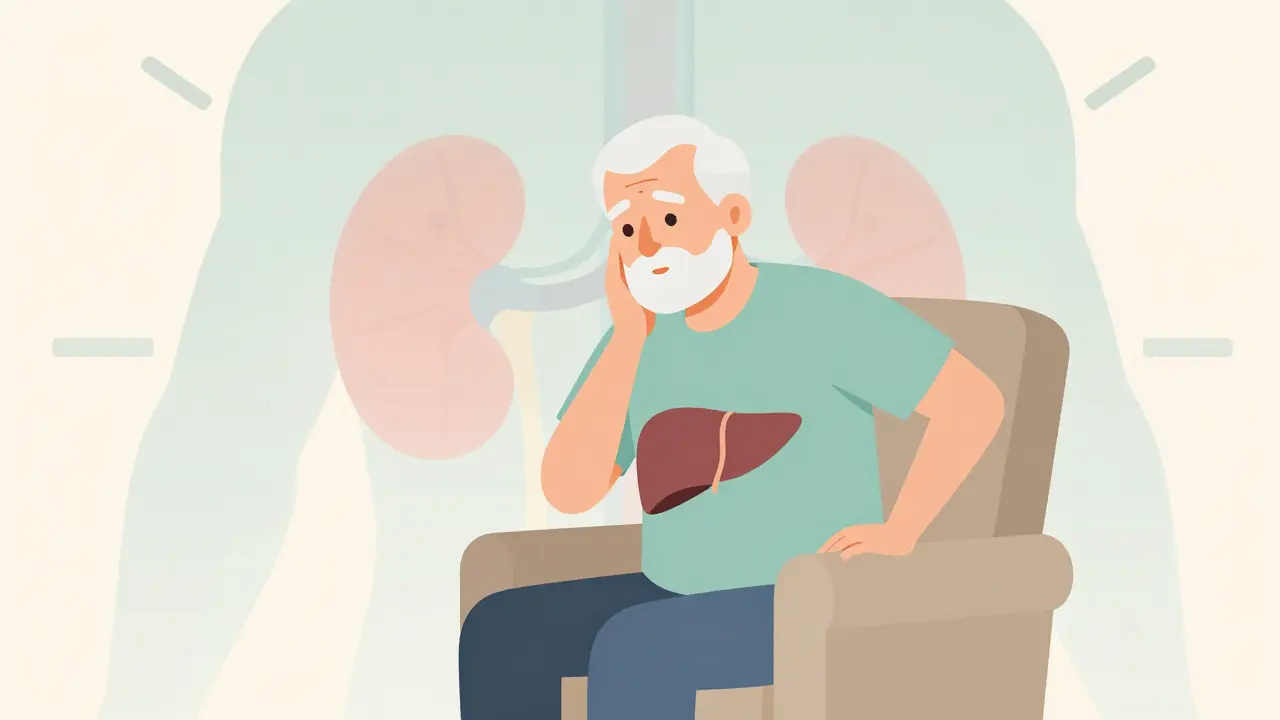
Managing pain for adults over 65 isn't just about finding a pill that works; it's about navigating a body that processes medication differently than it did twenty years ago. When you take an opioid at age 70, your kidneys clear the drug slower, your liver metabolizes it less efficiently, and your brain is more sensitive to side effects like confusion or drowsiness. This shift means that what feels like a standard dose to a younger adult can be overwhelming-or even dangerous-for a senior. The goal here is simple: keep the pain manageable without letting the medication steal your independence or clarity.
For many families, this involves a delicate balance. You want relief from chronic back pain, arthritis, or post-surgical discomfort, but you also want to avoid the "fog" that often accompanies strong painkillers. Recent updates in medical guidelines have moved away from rigid rules toward a more personalized approach. Instead of asking, "Is this dose too high?", doctors now ask, "Is this helping you move better and sleep soundly?" Understanding how senior pain management has evolved helps you advocate for yourself or a loved one with confidence.
Why Age Changes How Opioids Work
Your physiology changes significantly after age 65, and these changes directly impact how opioids behave in your system. As we age, our muscle mass decreases while body fat increases. Since many opioids are fat-soluble, they get stored in fat tissue and released slowly over time. This means the effect lasts longer, but so do the side effects. Additionally, kidney function naturally declines, which affects how quickly the body eliminates the drug and its byproducts.
This isn't just a theoretical concern. For example, morphine produces a metabolite called morphine-6-glucuronide, which is much more potent than the original drug. In younger patients, kidneys flush this out quickly. In older adults with reduced renal function, this metabolite can build up, leading to excessive sedation or breathing issues. That’s why starting doses are typically lower for seniors-often 30% to 50% of what a healthy adult might receive. It’s not about being weak; it’s about matching the dose to your body’s actual capacity to handle the medication.
The Shift in Medical Guidelines: From Rigid Rules to Personal Care
If you’ve been following healthcare news, you might remember the controversy around the 2016 CDC guidelines on opioid prescribing. Those guidelines were intended to curb misuse but ended up causing unintended harm for many elderly patients, particularly those with cancer or severe chronic conditions. Doctors reported that strict dosage limits led to undertreatment, leaving seniors in unnecessary pain because clinicians were afraid of crossing arbitrary thresholds.
In November 2022, the Centers for Disease Control and Prevention (CDC) revised these guidelines, explicitly acknowledging that the previous rules had been applied too broadly. The new guidance emphasizes that treatment decisions must consider the patient’s specific circumstances, including frailty, comorbidities, and functional goals. Dr. Jane Smith, Chief of Geriatric Medicine at Johns Hopkins University, noted that rigid application of dosage limits resulted in significant undertreatment among the elderly. The current standard is patient-centered: if the benefits outweigh the risks and the patient is functioning well, opioid therapy remains a valid option. This shift allows doctors to tailor care rather than check boxes, ensuring that pain relief doesn’t come at the cost of quality of life.
Choosing the Right Medication: Not All Opioids Are Equal
When discussing options with a doctor, it’s important to know that different opioids carry different risks for older adults. Some medications are generally preferred due to safer profiles, while others should be avoided entirely. Here’s a breakdown of common choices and their implications for seniors:
- Buprenorphine: Often considered a top choice for seniors. It’s a partial agonist, meaning it has a ceiling effect on respiratory depression, making it safer in overdose scenarios. Studies show it causes fewer constipation issues and less central nervous system sedation compared to full agonists when used at low doses.
- Oxycodone and Morphine: Common first-line treatments. They are effective but require careful titration. Oxycodone is often started at very low doses (e.g., 2.5 mg) for opioid-naïve seniors. Morphine requires caution in patients with kidney problems due to metabolite accumulation.
- Tramadol: Use with caution. While weaker than other opioids, it carries a risk of serotonin syndrome, especially if taken with antidepressants or other serotonergic drugs. It also lowers the seizure threshold, which is a concern for some elderly patients.
- Meperidine: Generally avoided. Its metabolite, normeperidine, accumulates in the body and can cause seizures and delirium. Most modern guidelines recommend against its use in the elderly.
- Methadone: Requires expert management. It has a long and variable half-life, making it difficult to predict how it will affect an individual. It’s usually reserved for complex cases under specialist supervision.
| Medication | Safety Profile for Seniors | Key Considerations |
|---|---|---|
| Buprenorphine | High | Ceiling effect on breathing; less constipation; good for long-term use. |
| Oxycodone | Moderate | Start low (2.5 mg); monitor for sedation; adjust for kidney function. |
| Morphine | Moderate | Avoid in severe kidney disease; metabolites can accumulate. |
| Tramadol | Low-Moderate | Risk of serotonin syndrome; lowers seizure threshold. |
| Meperidine | Low | Avoid; metabolites cause seizures and delirium. |
Dosing Strategies: Start Low, Go Slow
The golden rule for initiating opioid therapy in seniors is to start with the lowest practical dose and increase it gradually. For an opioid-naïve senior, this might mean starting with half of a standard pill, such as 2.5 mg of oxycodone or 7.5 mg of morphine. Liquid formulations are often helpful here because they allow for precise, tiny adjustments that pills don’t offer.
Titration-the process of increasing the dose-should be slow. A general guideline is to wait at least four times the drug’s half-life before adjusting the dose again. For short-acting opioids like immediate-release oxycodone, this means waiting at least 48 hours between dose changes. Rushing this process can lead to toxicity because the drug builds up in the system faster than expected. Long-acting formulations, like patches or extended-release pills, should only be introduced after the patient has stabilized on short-acting doses. Starting a senior on a fentanyl patch without prior tolerance is a common error that can lead to fatal respiratory depression.
Monitoring for Side Effects and Risks
Prescribing the medication is only half the battle; monitoring its impact is where safety truly comes into play. The most critical areas to watch are respiratory function, cognitive status, and fall risk.
Respiratory Depression is the most serious risk, especially in patients with sleep apnea or COPD. Signs include unusually deep sleep, snoring with pauses, or blue lips/fingernails. If you notice these, seek medical attention immediately. Cognitive Changes are common. Delirium-a sudden state of confusion-can develop within days of starting or changing an opioid dose. If a senior becomes suddenly disoriented, agitated, or hard to wake, it’s likely medication-related. Regular check-ins with family members or caregivers can help spot these changes early. Falls are another major concern. Dizziness upon standing (orthostatic hypotension) is a frequent side effect. Encourage slow position changes and ensure the home environment is safe. Proactive management of constipation is also essential, as straining can worsen pain and lead to other complications. Stool softeners or laxatives should be part of the plan from day one, not added later when problems arise.
Non-Opioid Alternatives and Multimodal Approaches
Opioids aren’t the only tool in the box. In fact, the best results often come from combining several strategies. Non-opioid medications like acetaminophen can be effective, but seniors need to be mindful of the daily limit. The maximum recommended dose is 3 grams per day, but for frail patients over 80 or those who drink alcohol regularly, it’s safer to stick to 2 grams. NSAIDs like ibuprofen or naproxen should be used sparingly, limited to one or two weeks during flare-ups, due to risks of stomach bleeding and kidney strain.
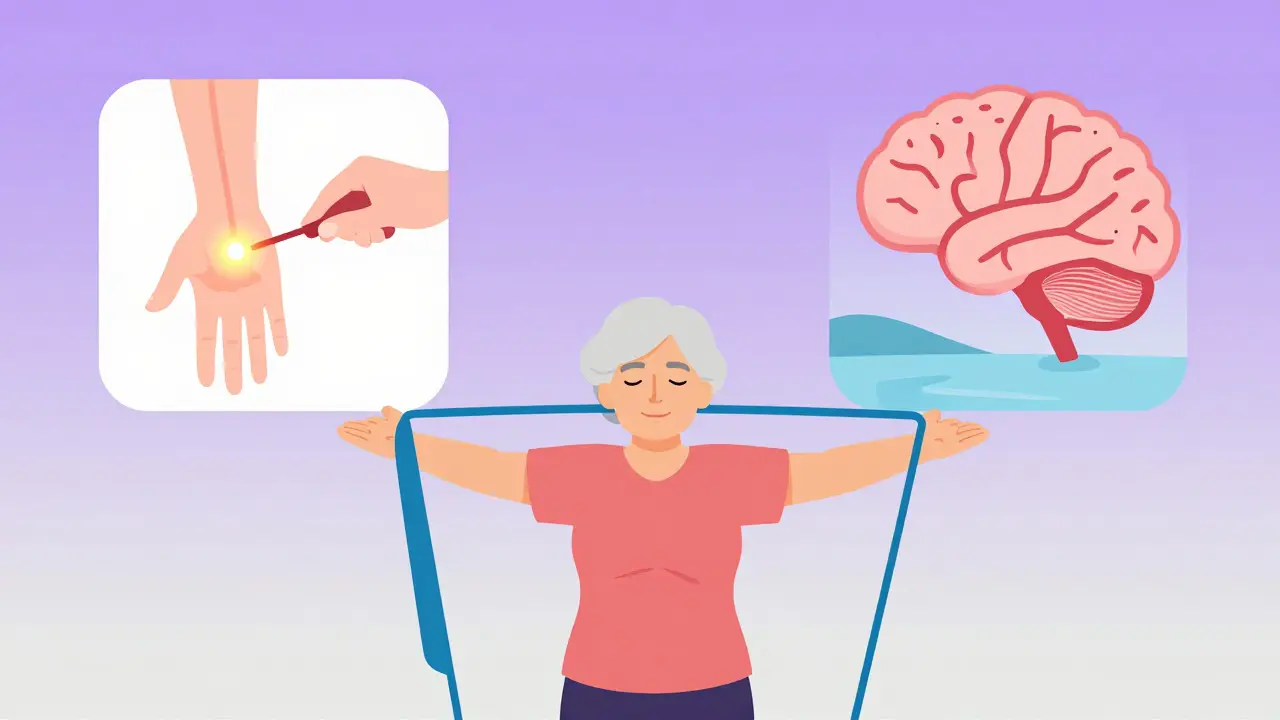
Physical therapy, cognitive behavioral therapy, and nerve blocks are powerful non-pharmacological options. They address the root causes of pain and reduce reliance on medication. For instance, a targeted nerve block can provide months of relief for certain types of joint pain, allowing a patient to taper off opioids safely. Integrating these approaches creates a comprehensive pain management plan that supports both physical and mental well-being.
Frequently Asked Questions
What is the safest opioid for elderly patients?
Buprenorphine is often considered one of the safest options for seniors due to its ceiling effect on respiratory depression and lower incidence of constipation. However, the "safest" choice depends on individual health factors, so a doctor must evaluate each patient’s specific situation.
How should I start an opioid for a senior who has never taken one?
Start with the lowest possible dose, often 30-50% of the standard adult dose. For example, start with 2.5 mg of oxycodone instead of 5 mg. Use liquid forms if available for easier adjustment, and wait at least 48 hours before increasing the dose.
Can seniors take long-acting opioids right away?
Generally, no. Long-acting formulations like patches or extended-release pills should only be started after the patient has developed some tolerance using short-acting medications. Starting with a long-acting form in an opioid-naïve senior increases the risk of overdose.
What are the signs of opioid toxicity in older adults?
Watch for extreme drowsiness, difficulty waking, slow or shallow breathing, confusion, or blue tint to lips and fingernails. Sudden confusion or agitation can also indicate delirium, a serious side effect that requires medical evaluation.
How does kidney function affect opioid choice?
Reduced kidney function slows the clearance of opioids and their metabolites. Morphine, for instance, produces active metabolites that can accumulate in patients with poor kidney function, leading to prolonged sedation. Doctors may choose alternatives like buprenorphine or fentanyl, which have safer metabolic profiles in renal impairment.