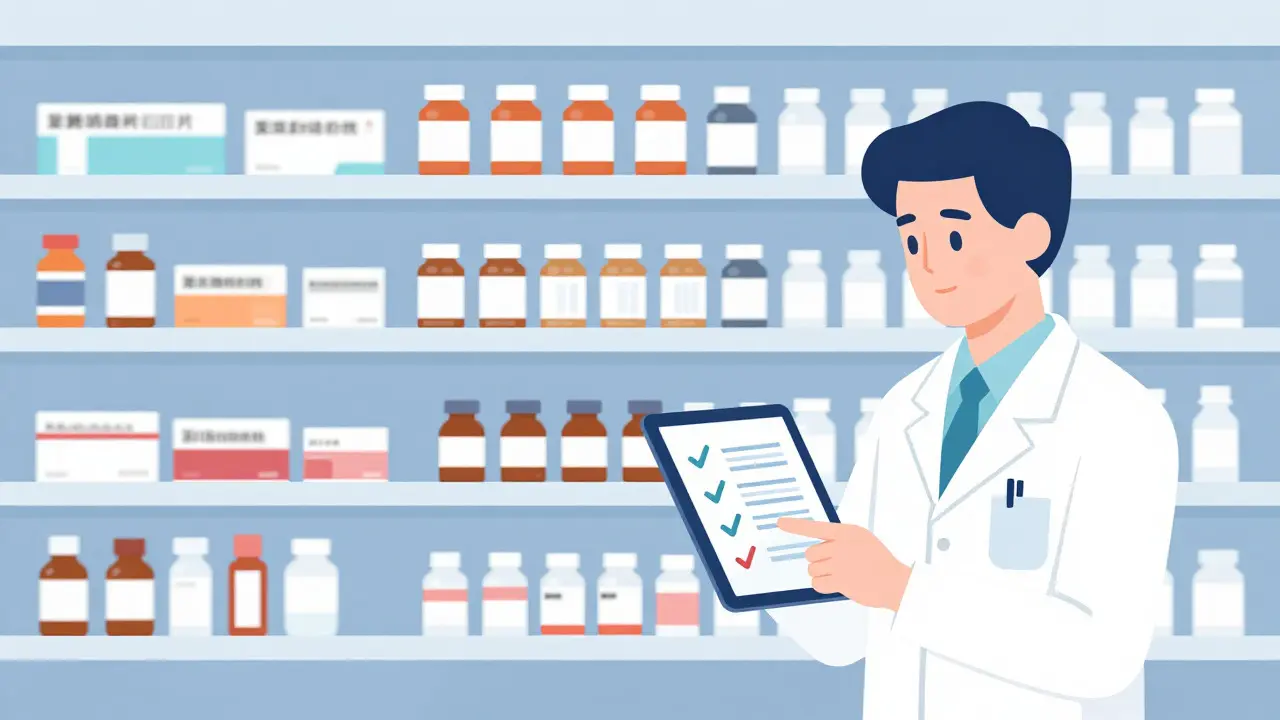
Walk into any hospital pharmacy in the United States today, and you’ll notice something specific about the shelves. They aren’t stocked with every medication available on the market. Instead, they hold a carefully curated list of drugs that have passed a rigorous vetting process. This list is called a hospital formulary, which is a continuously updated list of medications approved for use within a healthcare system. For providers, this isn't just a catalog; it’s the rulebook for prescribing. But how do these systems decide which generic drugs make the cut? The answer lies in a complex balance of clinical evidence, cost-effectiveness, and regulatory compliance.
The Role of the Pharmacy and Therapeutics Committee
At the heart of the formulary decision-making process is the Pharmacy and Therapeutics (P&T) committee, a group of healthcare professionals including pharmacists, physicians, and administrators who evaluate medications for inclusion in the formulary. These committees are not new; they became standard in U.S. hospitals by the 1970s. Today, they serve as the gatekeepers of medication access. A typical P&T committee consists of 12 to 15 members, including pharmacists with Board Certification in Pharmacotherapy (BCPP) and specialty-board-certified physicians. Their job is to ensure that every drug on the list meets high standards for safety, efficacy, and value.
The process begins when a drug request is submitted. This usually involves a detailed formulary dossier containing clinical studies, medication descriptions, and usage details. According to data from the American Society of Health-System Pharmacists (ASHP), the average review time for a new drug is 45 to 60 days. Urgent requests, such as those for life-saving treatments during a shortage, can be processed in 14 to 21 days. This structured approach ensures that decisions are not made in haste but are grounded in thorough evaluation.
Evaluating Generic Drugs: Beyond Price Tags
When it comes to generic drugs, the assumption is often that price is the only deciding factor. While cost is significant, it is rarely the sole criterion. The first step in evaluating a generic is verifying its therapeutic equivalence through the FDA’s Orange Book. This designation confirms that the generic is bioequivalent to the reference listed drug, meaning it performs similarly in the body. Specifically, the generic must show bioequivalence within 80-125% of the reference drug’s pharmacokinetic parameters.
However, hospitals look deeper than basic approval. They assess medication efficacy based on systematic literature reviews of at least 15 to 20 clinical studies per drug class. Safety profiles are scrutinized using data from the FDA Adverse Event Reporting System. Cost-effectiveness is also evaluated, but not just in terms of acquisition cost. As Dr. Steven J. Simoens, Professor of Pharmaceutical Policy at KU Leuven, noted in a 2022 Health Affairs commentary, sophisticated formulary systems evaluate generics by their total cost of care, including impacts on hospital length of stay and readmission rates. This holistic view helps hospitals manage the $650 billion in annual U.S. drug expenditures more effectively.
| Criterion | Description | Data Source/Standard |
|---|---|---|
| Therapeutic Equivalence | Verification via FDA Orange Book; bioequivalence within 80-125% | FDA Guidelines |
| Clinical Efficacy | Review of 15-20+ clinical studies per drug class | Systematic Literature Reviews |
| Safety Profile | Assessment of adverse event rates | FDA Adverse Event Reporting System |
| Cost-Effectiveness | Total cost of care analysis, not just acquisition price | AMCP/ICER Data |
| Patient Compliance | Impact of formulation on adherence | AMCP Documentation |

Challenges in Formulary Management
Despite the structured process, managing formularies is fraught with challenges. One major issue is drug shortages. In 2022, ASHP tracked shortages affecting 268 generic medications. When a preferred generic becomes unavailable, hospitals must quickly identify alternatives. Pharmacist Sarah Chen from Massachusetts General Hospital reported on the ASHP Connect forum that her team had to temporarily suspend formulary status for certain generics seven times in 2022 due to supply issues. To mitigate this, many hospitals have established therapeutic alternatives committees. For instance, Mayo Clinic implemented such a committee with a 98% success rate in maintaining continuity of care during shortages.
Another challenge is the friction between cost-saving measures and clinical preferences. A 2021 American Medical Association survey found that 32% of physicians felt formulary constraints affected patient care. Similarly, 57% of pharmacists reported conflicts with physicians over generic substitution decisions. These tensions highlight the delicate balance P&T committees must strike between fiscal responsibility and clinical excellence. Training plays a crucial role here, with 100% of ASHP-accredited programs requiring annual conflict of interest training for committee members since 2020.

The Shift Toward Total Cost of Care
The landscape of formulary management is evolving. There is a growing trend toward value-based formularies, where 43% of hospitals now incorporate outcomes-based contracts for select medications. This shift reflects a broader move away from simple acquisition costs toward a comprehensive analysis of total cost of care. Predictive analytics are increasingly used to model how generic drug choices affect downstream costs. According to a 2023 KLAS Research report, 61% of hospitals now use these tools to inform their decisions.
This evolution is supported by independent organizations like the Institute for Clinical and Economic Review (ICER). Since 2013, ICER has provided cost-effectiveness analyses that 65% of large hospital systems now incorporate into their formulary decisions. This reliance on external, unbiased data helps reduce the influence of pharmaceutical industry marketing. Dr. Jerry Avorn of Harvard Medical School documented in JAMA Internal Medicine (2021) that detailing by pharmaceutical representatives remains a barrier to optimal decisions, making independent data sources even more critical.
Future Trends: Pharmacogenomics and Biosimilars
Looking ahead, two areas promise to significantly impact formulary decisions: pharmacogenomics and biosimilars. Pharmacogenomic data is beginning to influence formulary restrictions. As of April 2023, 18% of academic medical centers were piloting genotype-guided formulary restrictions. This personalized approach could revolutionize how generics are selected, ensuring that patients receive medications that are most effective for their genetic profile.
Biosimilars present another frontier. While generics are small-molecule copies of brand-name drugs, biosimilars are biological products highly similar to an already approved biologic. However, only 37% of hospital formularies have established biosimilar evaluation protocols, according to a 2023 FDA workshop report. This gap indicates a need for further development in this area. As the 2022 Inflation Reduction Act mandates Medicare Part D redesign by 2025, hospital formularies will likely face increased pressure to align with these changes, potentially accelerating the adoption of biosimilars and other cost-effective alternatives.
What is a hospital formulary?
A hospital formulary is a continuously updated list of medications approved for use within a healthcare system. It is developed through a systematic process involving the Pharmacy and Therapeutics (P&T) committee, which evaluates drugs based on clinical evidence, safety, and cost-effectiveness.
How do P&T committees decide which generic drugs to include?
P&T committees evaluate generic drugs based on several criteria, including therapeutic equivalence (verified via the FDA Orange Book), clinical efficacy (from systematic literature reviews), safety profiles (using FDA adverse event data), and cost-effectiveness (considering total cost of care). The process typically takes 45-60 days for standard requests.
Why don't hospitals stock all available generic drugs?
Hospitals use closed formularies to streamline operations, ensure consistent quality, and control costs. Stocking every available generic would complicate inventory management, increase the risk of medication errors, and make it harder to negotiate bulk pricing. By limiting options to vetted generics, hospitals can maintain high standards of care while managing expenses.
How do drug shortages affect formulary decisions?
Drug shortages force hospitals to temporarily modify their formularies. Many institutions have established therapeutic alternatives committees to proactively identify substitutes. For example, Mayo Clinic achieved a 98% success rate in maintaining continuity of care during shortages by using such a committee to quickly switch to alternative generics or brands when necessary.
What is the role of the FDA Orange Book in formulary selection?
The FDA Orange Book provides therapeutic equivalence ratings for generic drugs. It serves as the baseline for formulary decisions, confirming that a generic is bioequivalent to the reference listed drug. Hospitals require this designation before considering a generic for inclusion, ensuring that the substitute performs similarly in the body.
How are biosimilars handled in hospital formularies?
Biosimilars are more complex than traditional generics due to their biological nature. Currently, only 37% of hospital formularies have established evaluation protocols for them. As more biologics lose patent protection, hospitals are developing specialized processes to assess biosimilars' interchangeability and clinical outcomes, though this area remains underdeveloped compared to small-molecule generics.
What is the impact of the Inflation Reduction Act on formularies?
The 2022 Inflation Reduction Act mandates a redesign of Medicare Part D by 2025. This will influence hospital formulary structures through alignment requirements, potentially pushing hospitals to adopt more cost-effective strategies, such as greater use of generics and biosimilars, to meet new regulatory standards and reimbursement models.
Man, this is a huge topic but you broke it down so well! It's wild to think about how much goes into just picking the right generic drug. I always assumed it was just about who could sell it cheapest, but seeing the P&T committee process makes sense now. We need more people understanding these systems so we can advocate for better care. Keep sharing this kind of info!
Oh please, spare me the bureaucratic fanfare. You paint these committees as some noble guardians of health when they are nothing but gatekeepers protecting their own turf and budgets. The whole system is rigged against the patient from day one. They talk about 'clinical evidence' but what they really mean is 'what keeps our overhead low enough to keep the executives happy.' It is absolutely tragic that we have reduced medicine to a spreadsheet exercise. The human element is completely dead in this water.
I've spent years navigating the labyrinth of hospital procurement, and while the cynicism has its place, there is genuine artistry in balancing efficacy with economics. The shift toward total cost of care is not merely a financial maneuver; it is an ethical imperative to ensure sustainability. When we look at biosimilars, we are witnessing a renaissance in biological therapeutics that promises to democratize access to life-saving treatments. It is a delicate dance, yes, but one worth mastering for the greater good of public health infrastructure.
look i work in pharma supply chain and lets be real most of this is just window dressing for the board. sure they do studies but half the time its just checking boxes to avoid liability. the orange book stuff is basic stuff any intern knows. the real game is who has the rep buying lunch for the p&t members. dont let them fool u with all the fancy stats and acronyms. its all about margins baby.
You make a strong point about the hidden costs. Many people ignore how readmission rates drive up expenses. If a cheap generic causes side effects, the hospital pays more later. This is why the total cost analysis matters. It forces everyone to look at the big picture. We must push for transparency in these decisions. Patients deserve to know why certain drugs are chosen. Simple logic should guide these complex systems.
The average layperson would struggle to comprehend the sheer arrogance embedded in this entire paradigm. To suggest that a committee of administrators can adequately judge clinical nuance is laughable. These individuals are disconnected from the bedside reality. They prioritize fiscal metrics over human outcomes, creating a dystopian healthcare landscape where profit margins dictate survival probabilities. It is an insult to the medical profession to reduce therapeutic decision-making to such sterile, algorithmic processes. One must question the integrity of a system that values efficiency over empathy.
It reminds me of the ancient marketplace, where merchants vied for position not just by quality, but by connection and presentation. Today, we see the same dynamics playing out in the sterile halls of hospital administration. The formulary is the new agora, and the P&T committee are the gatekeepers of knowledge and access. Perhaps we should view these decisions not just as economic transactions, but as moral choices that reflect our collective values regarding health and equity. What does it say about us when we measure healing in dollars?
This is exactly why American healthcare is broken! We let bureaucrats decide what sick people get instead of letting the free market or doctors do their jobs. In other countries, they might have different problems, but here we have a monopoly on inefficiency. The FDA orange book is just another layer of red tape designed to slow down innovation. We need to tear this whole formulary system down and start over. It’s an affront to liberty and common sense. Wake up people!
I appreciate the detailed breakdown of the challenges. Drug shortages are particularly frustrating because they disrupt patient care unexpectedly. It is encouraging to see hospitals forming therapeutic alternatives committees to handle these crises proactively. Collaboration between pharmacists and physicians is key to overcoming these hurdles. We should celebrate the successes like Mayo Clinic’s approach. Let’s continue to support initiatives that improve continuity of care during difficult times. Every small step forward counts towards a better system.
In my culture, we often speak of balance-between tradition and progress, between individual need and community welfare. This article beautifully illustrates that same tension within modern medicine. The integration of pharmacogenomics feels like a bridge between ancient personalized healing and cutting-edge science. It is fascinating to consider how genetic profiles might soon dictate formularies, moving us away from one-size-fits-all approaches. This evolution honors the unique essence of each patient while embracing technological advancement. Truly a harmonious progression.